René Jõhve of CuuClub Calls On ChamSys to Create Myriad Looks for Estonian Eurovision
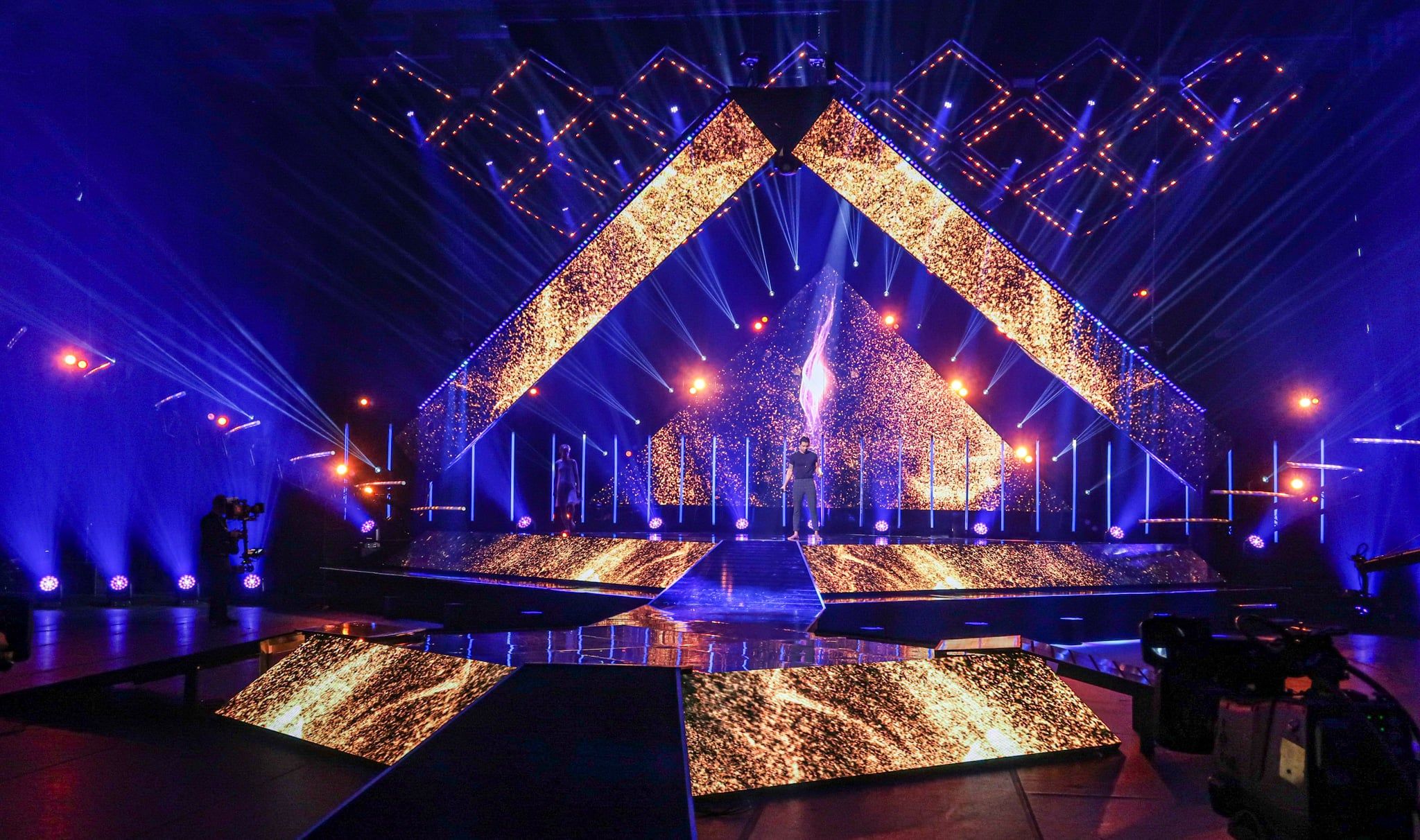
TALLIN, ESTONIA – Out of chaos and confusion, creativity often emerges. In the process, it leads to bold solutions that flourish far beyond the moment. Such was the case last year, when René Jõhve and his team at CuuClub set out to design the stage for Estonia’s 2021 Eurovision preselection program.
“We had a design ready, but there was a great deal of uncertainty in the air, because no one was clear about what would happen with the pandemic,” recalled Jõhve. “New issues kept emerging during our planning process. At one point, there was the possibility that the preselection semifinals would have to fit into a TV studio with the finals being moved to an arena. So, we had to change our plans last minute to create a design that would work in both settings.”
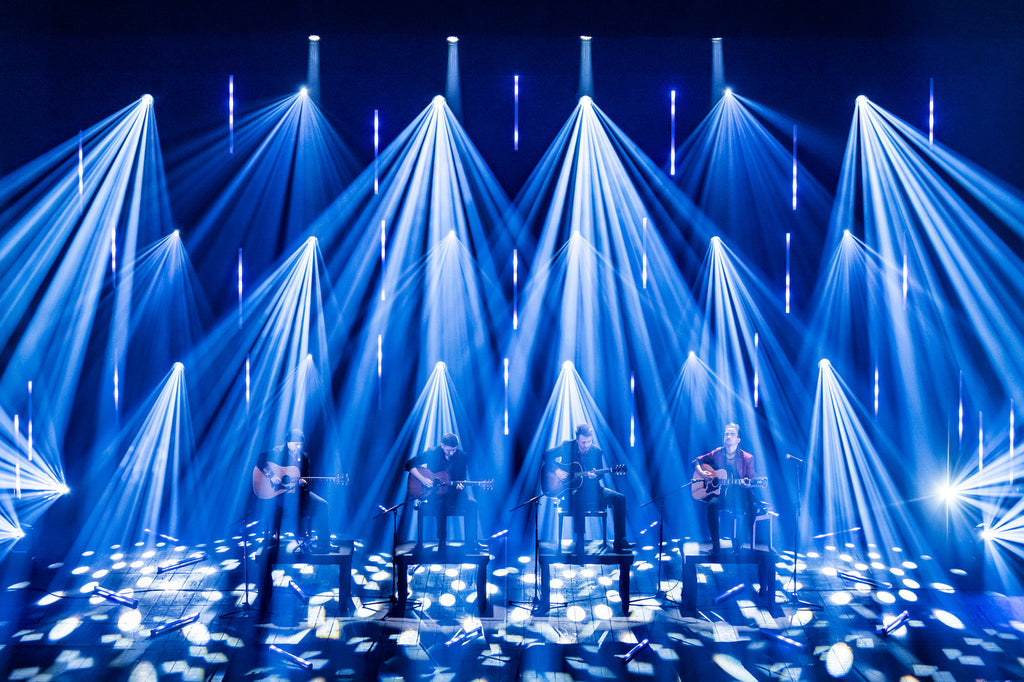
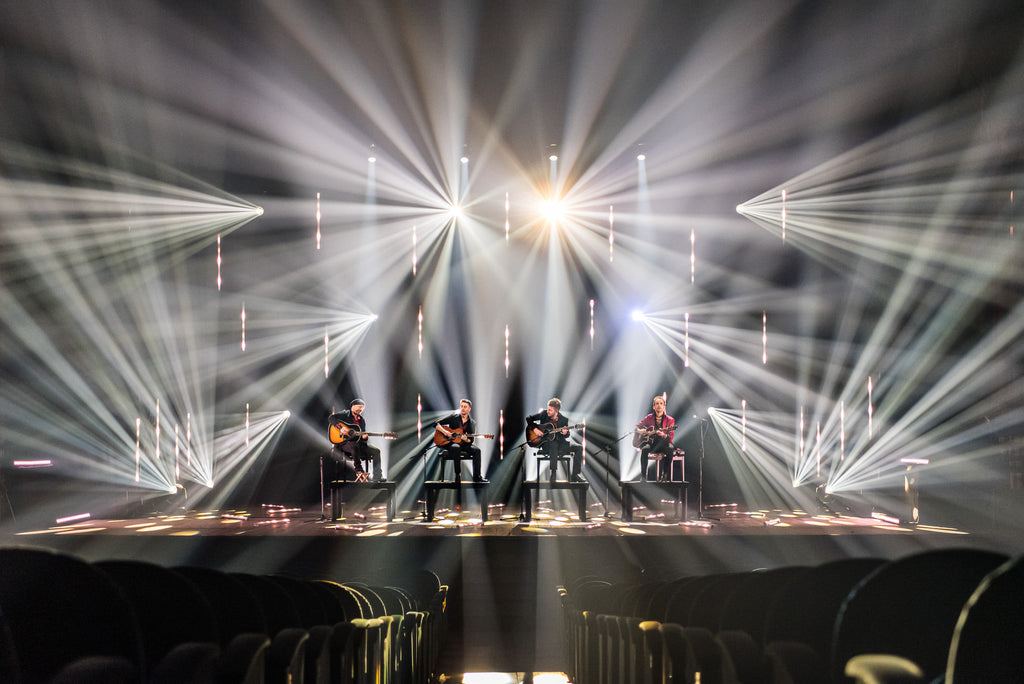
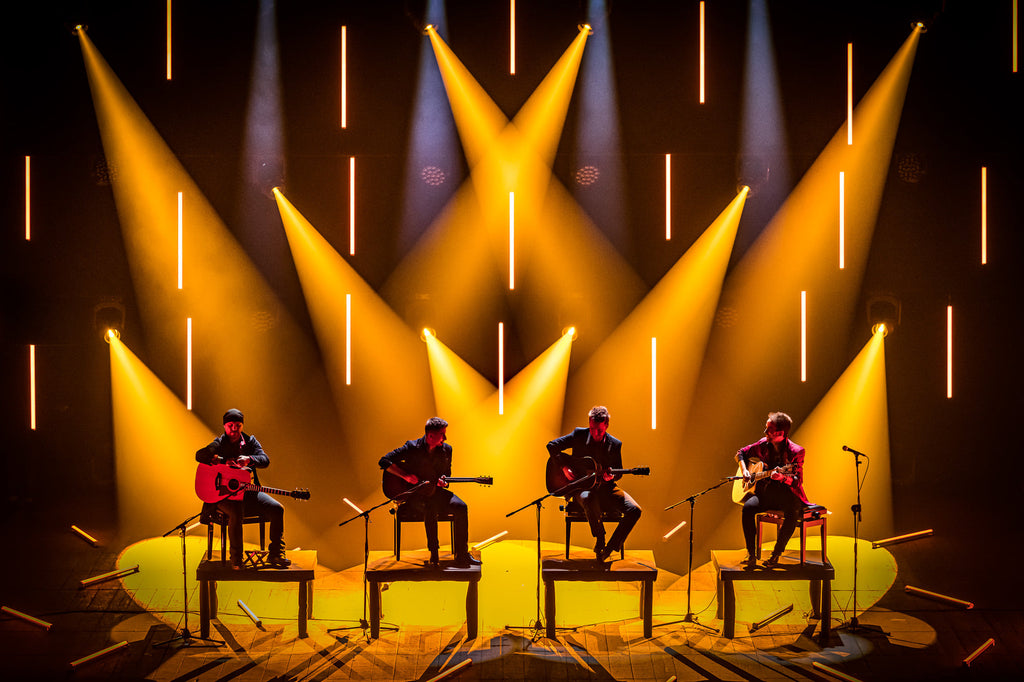
Accounting for all of these issues, Jõhve molded his ideas into an adaptable, all-encompassing stage design that created an array of unique looks for artists competing in this year’s Estonian National Eurovision Preselection, which was held in March at Tallin’s Saku Suurhall arena.
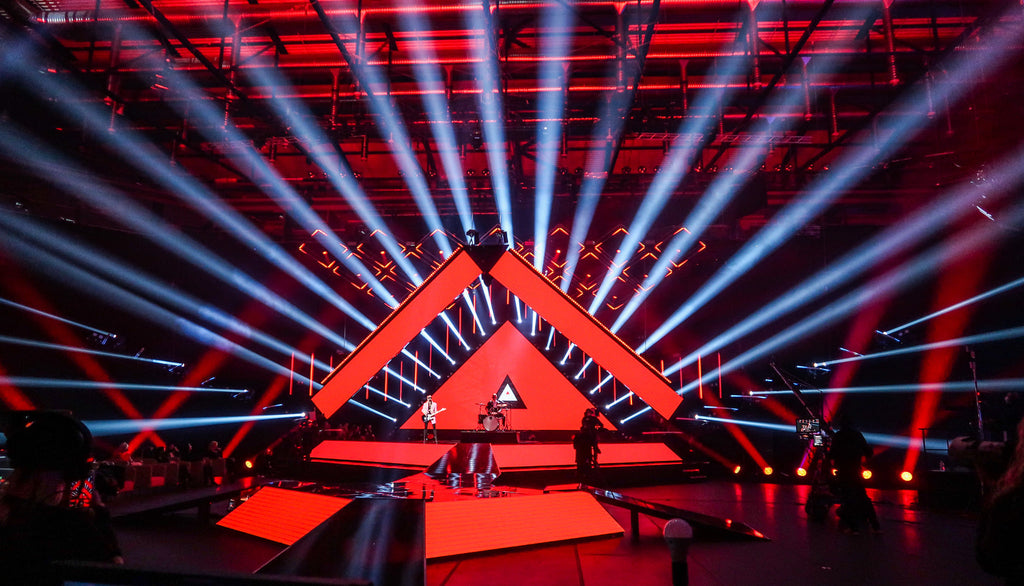
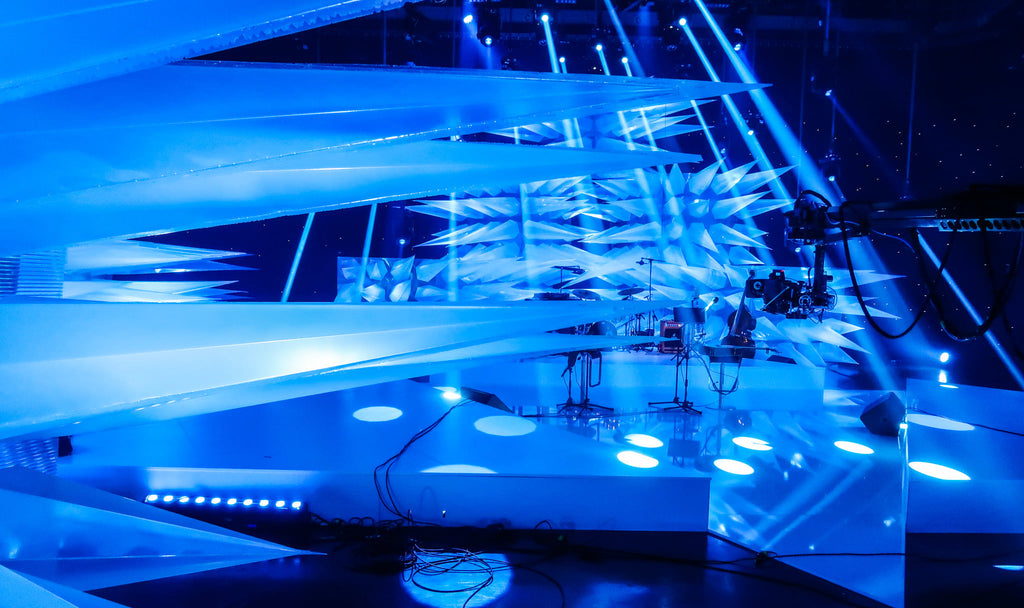
With its multiple layers of angled floor-mounted LED video panels, massive triangular backdrop, and floating strips interspliced with brilliant aerial beams, his design projected an aura of majesty and expectation, providing an ideal setting for a contest highlighting aspiring talent.
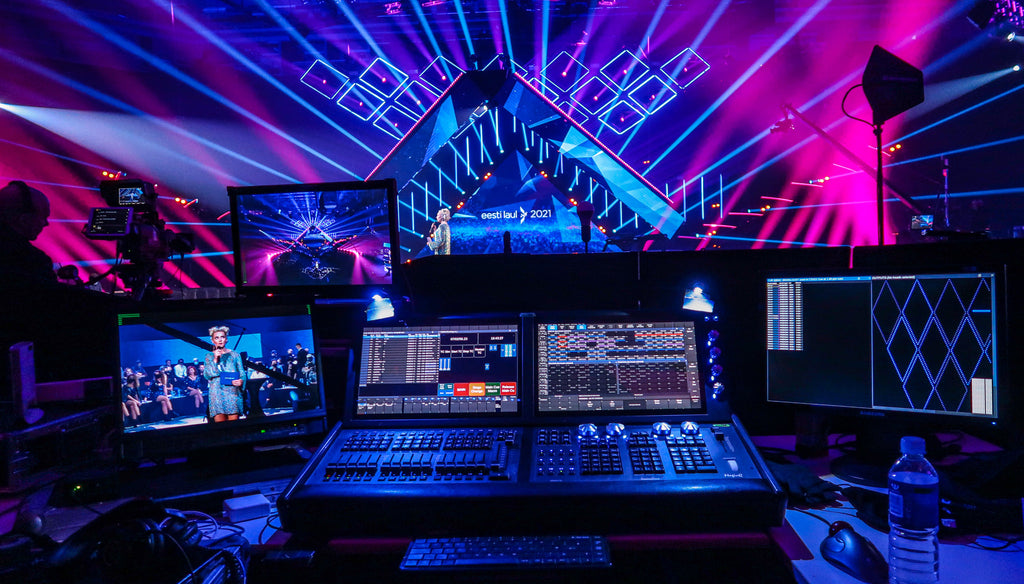
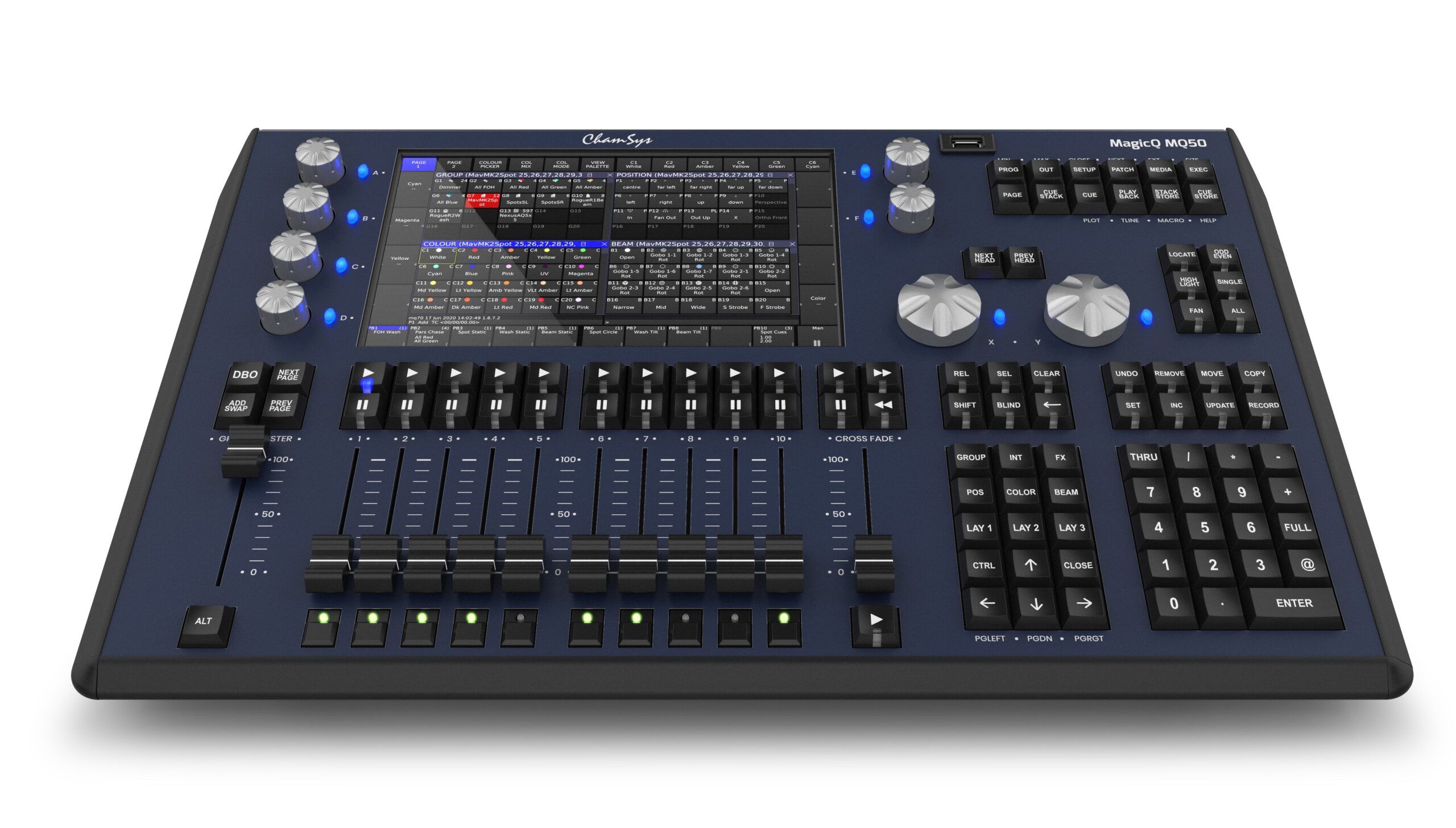
Powering his massive 47-universe lightshow were three ChamSys consoles: one MagicQ MQ500M, which Jõhve used to run moving effects and blinders; and two MagicQ MQ 500 desks run by Erki Kukk, who took care of the key lights, and Črt Birsa for LED strips and special FX programming.
Looking back at the design after the event, Jõhve described the creative process behind it. “Having the LED screens at the sides of the floor was my original idea. I wanted it to give some additional shape to the stage and to have visuals supporting the acts from more camera angles,” he explained. “Because of this, I really wanted to keep that idea. So, I started rearranging the set design around these screens. The LED arc shape came first and the triangular background later just by trial and error. Finally, I was happy with it — all things considered.”
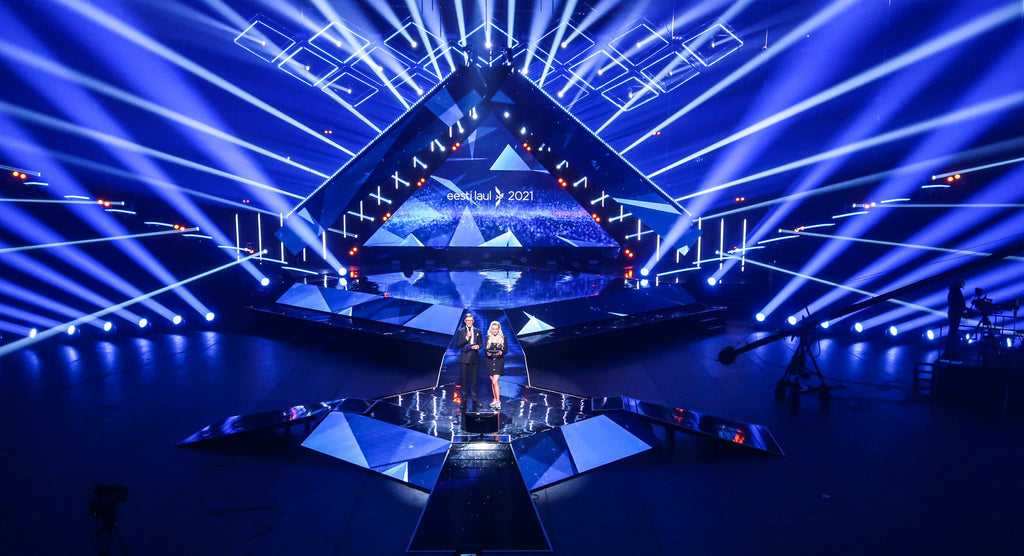
From the beginning of the design process for this year’s event, Jõhve realized that the triangular configuration of this set would present some challenges. However, he felt that the aesthetic payback would make it well-worth the effort.
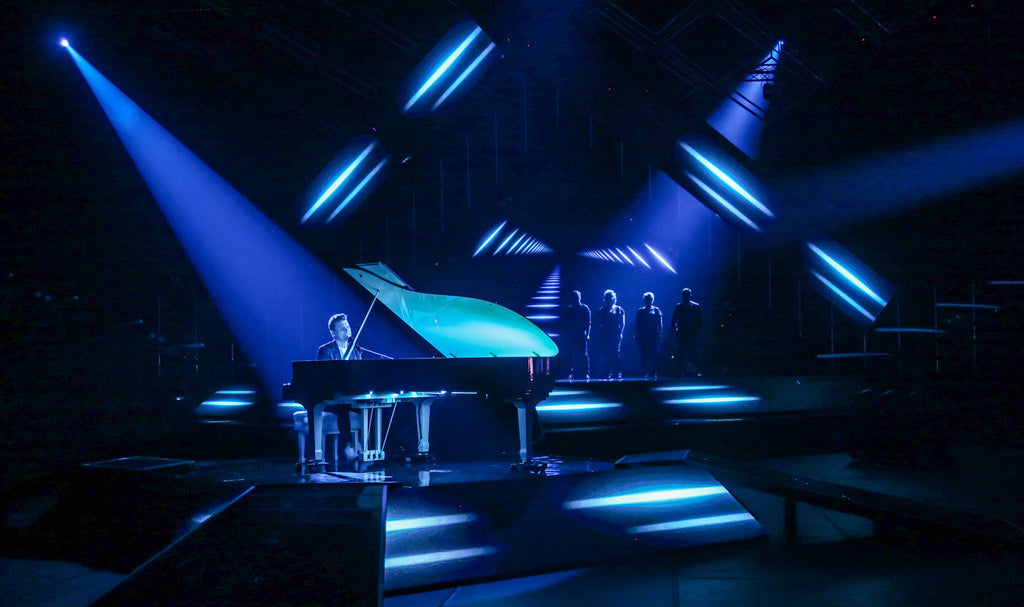
“I knew that the LED arch and also the triangular lighting configuration would limit how we could fan the lights, but I was confident that we could still pull off a wide range of different looks to reflect the unique character of each artist,” he said. “Because we wanted to support the acts, we tried to give more focus to the artist, or at other times just to have a smaller feel of room for intimate songs.”
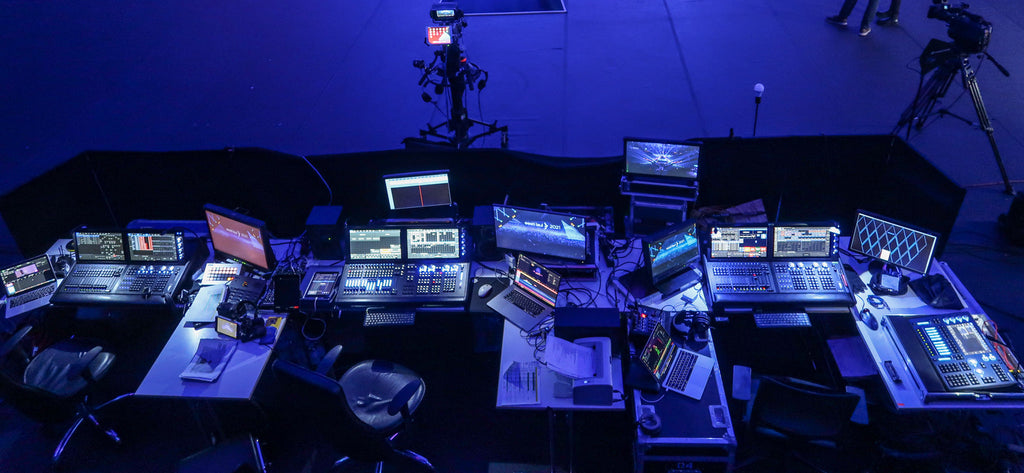
The triangular shape of Jõhve’s design endowed the entire set with a distinct visual quality, regardless of which type of look he created. Although there was some programming, the CuuClub team did most of their timecoding during and after rehearsals. This meant long nights and little sleep during the event.
Thankfully, notes Jõhve, the ChamSys consoles made their task easier. “We like the MQ500 and MQ500M because they are fast with user-friendly screens and a lot of faders,” he said. “A really useful feature is the timecode timeline. After importing audio tracks, it was really fast and easy to get the cues and timings right.
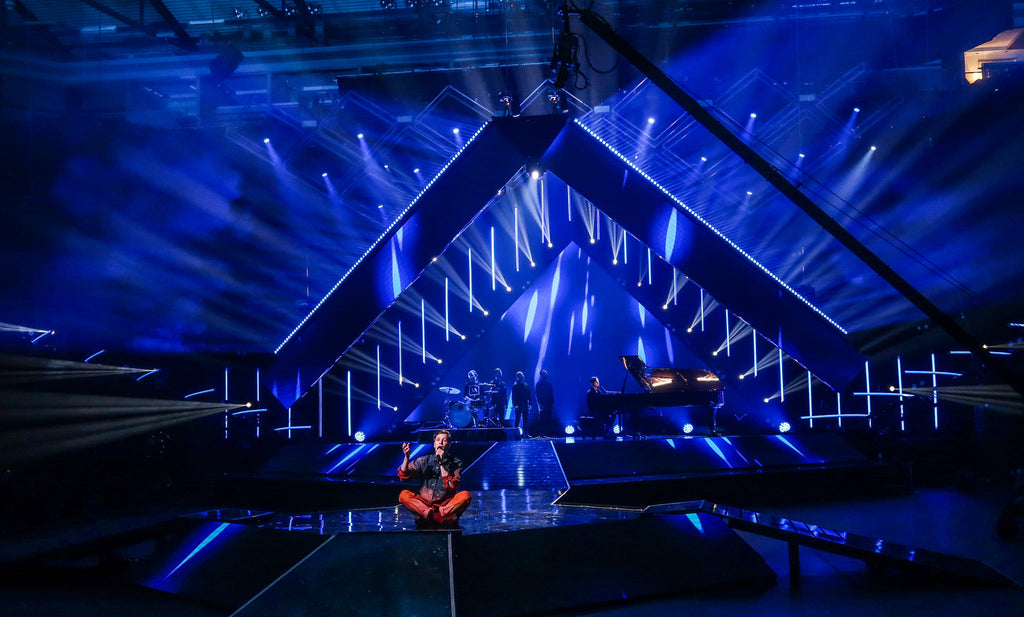
“Of course, from my point of view the motorized faders on MQ500M made everything much clearer and easier to follow,” continued Jõhve. “For this show, the Automation and Cue Stack macros are essential. I’m very glad we get more and more new options for Cue Stack macros with the MQ500M.”
Relying on their three consoles, Jõhve and his colleagues ran their 281 fixtures, plus LED strips with precise control using 38 pages of playbacks, one for each artist. In the end they created a show that was breathtaking in its scope, representing some of the best aspiring singers in their country as well as the power of creativity to overcome any setback.




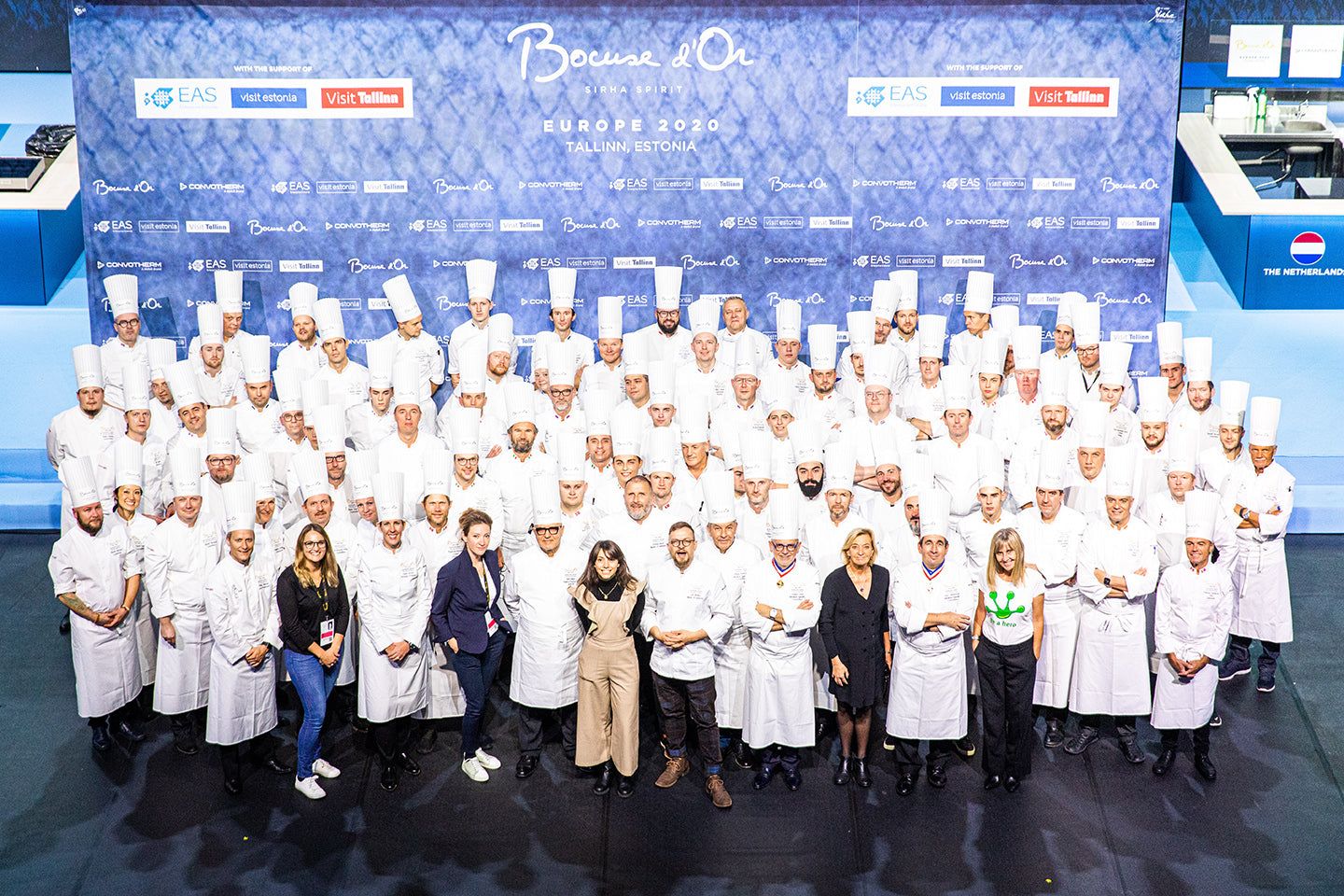
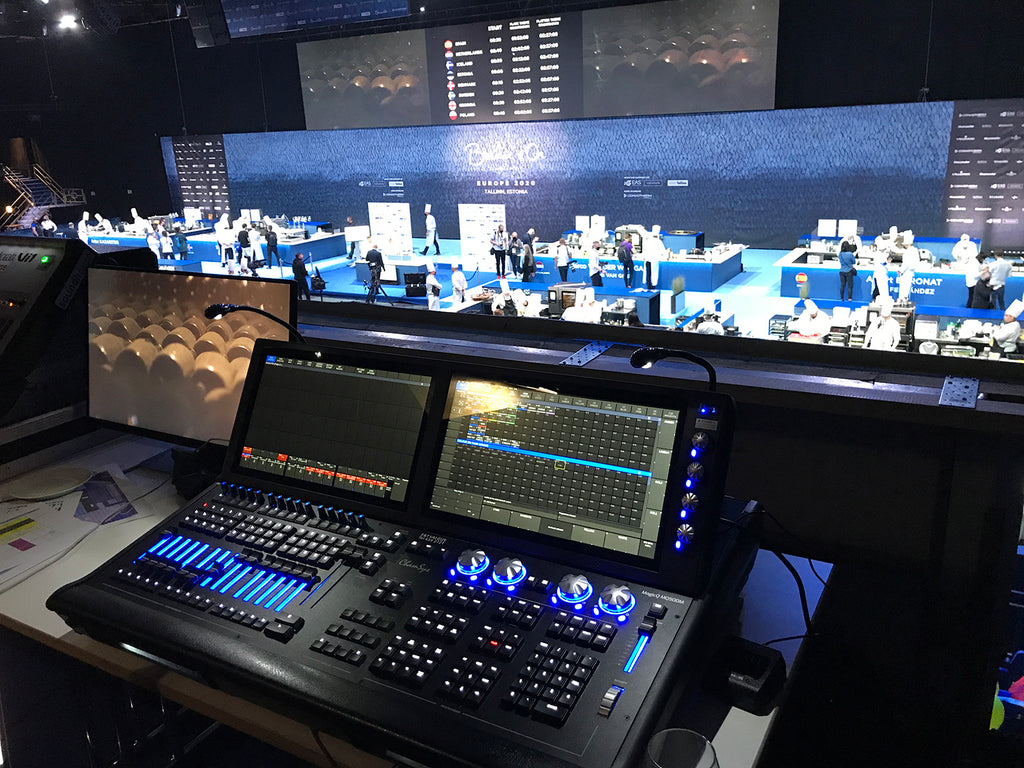 As the top chefs and their assistants met in secret that morning,
 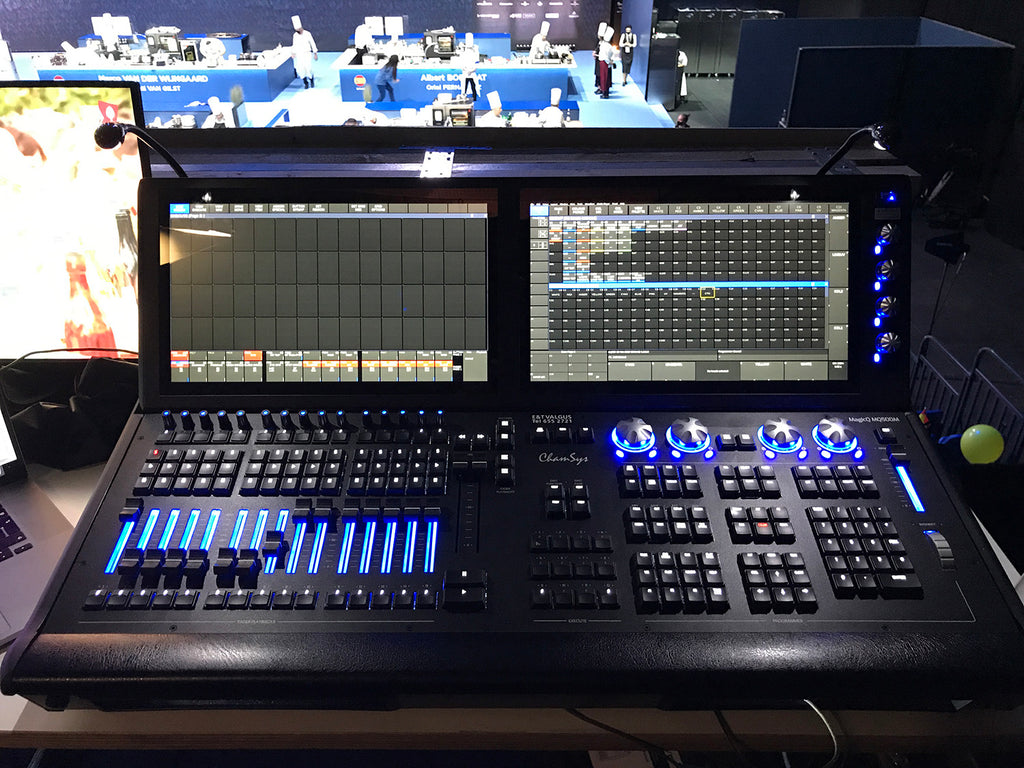 A ChamSys user for ten years, Luhaäär only recently moved up to the MQ500M. He found the transition seamless. “I had used this console a few times before, so I was familiar with it,” he said. “The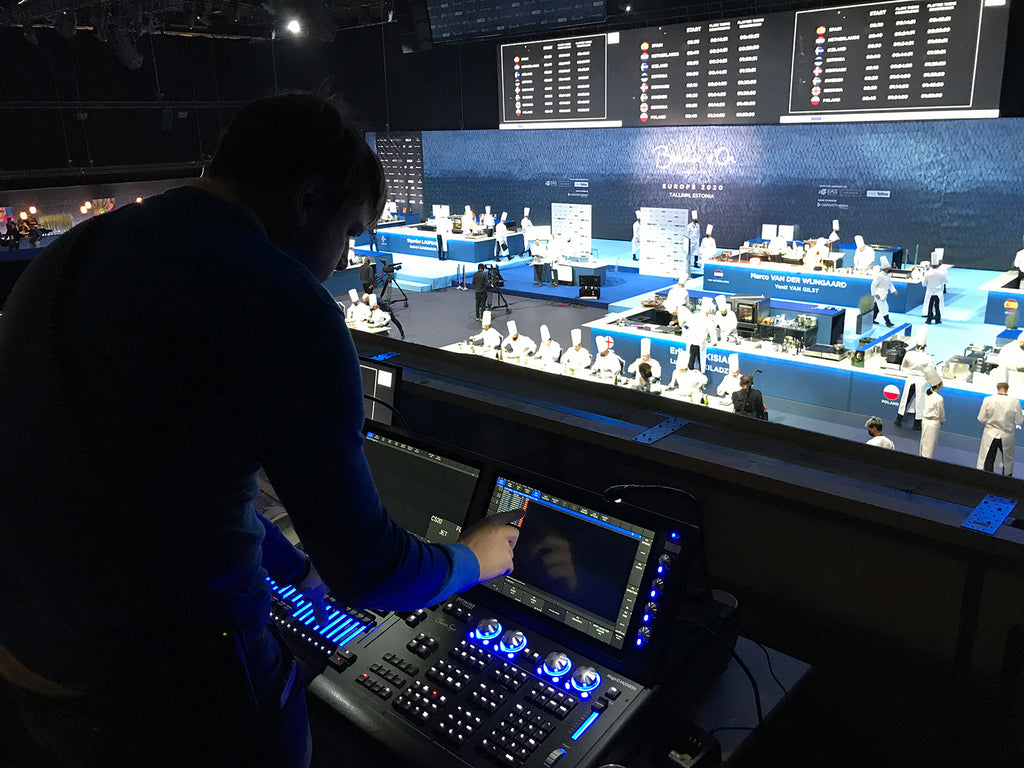

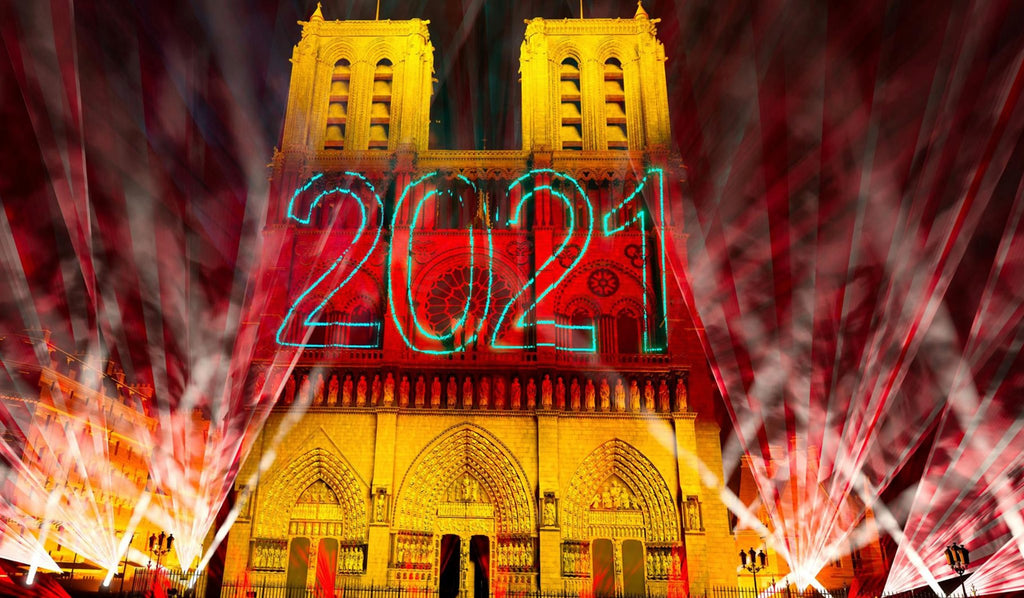
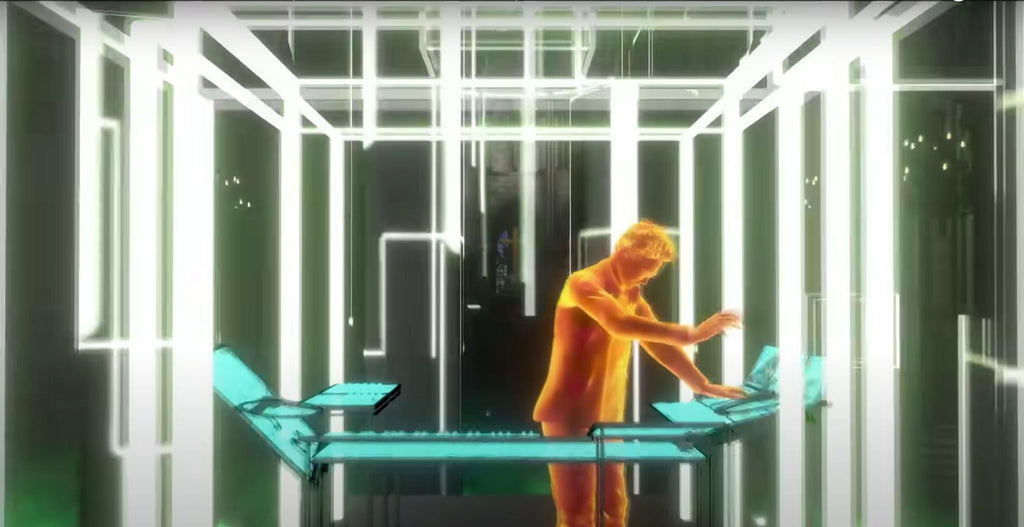 “We programmed the cues with a
 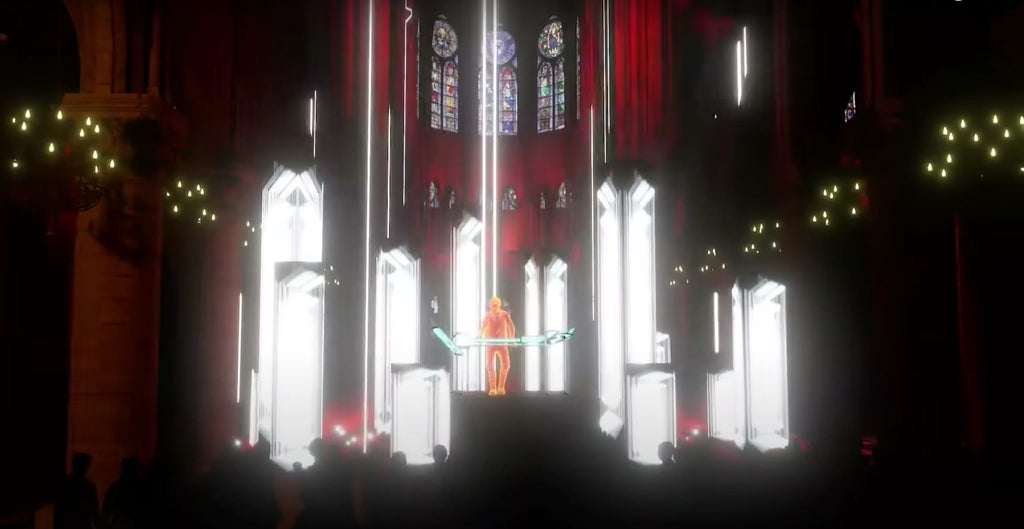 “The stage lights are actually not real light but volumetric shaders that were animated by Victor Pukhov to mimic my ChamSys programmed lighting cues,” said Morandi. “Most importantly, Vincent Masson created the 3D animations that made the show look stunning. He used our 2D content as starting point, and with a lot of passion and talent created the 3D versions of it.”

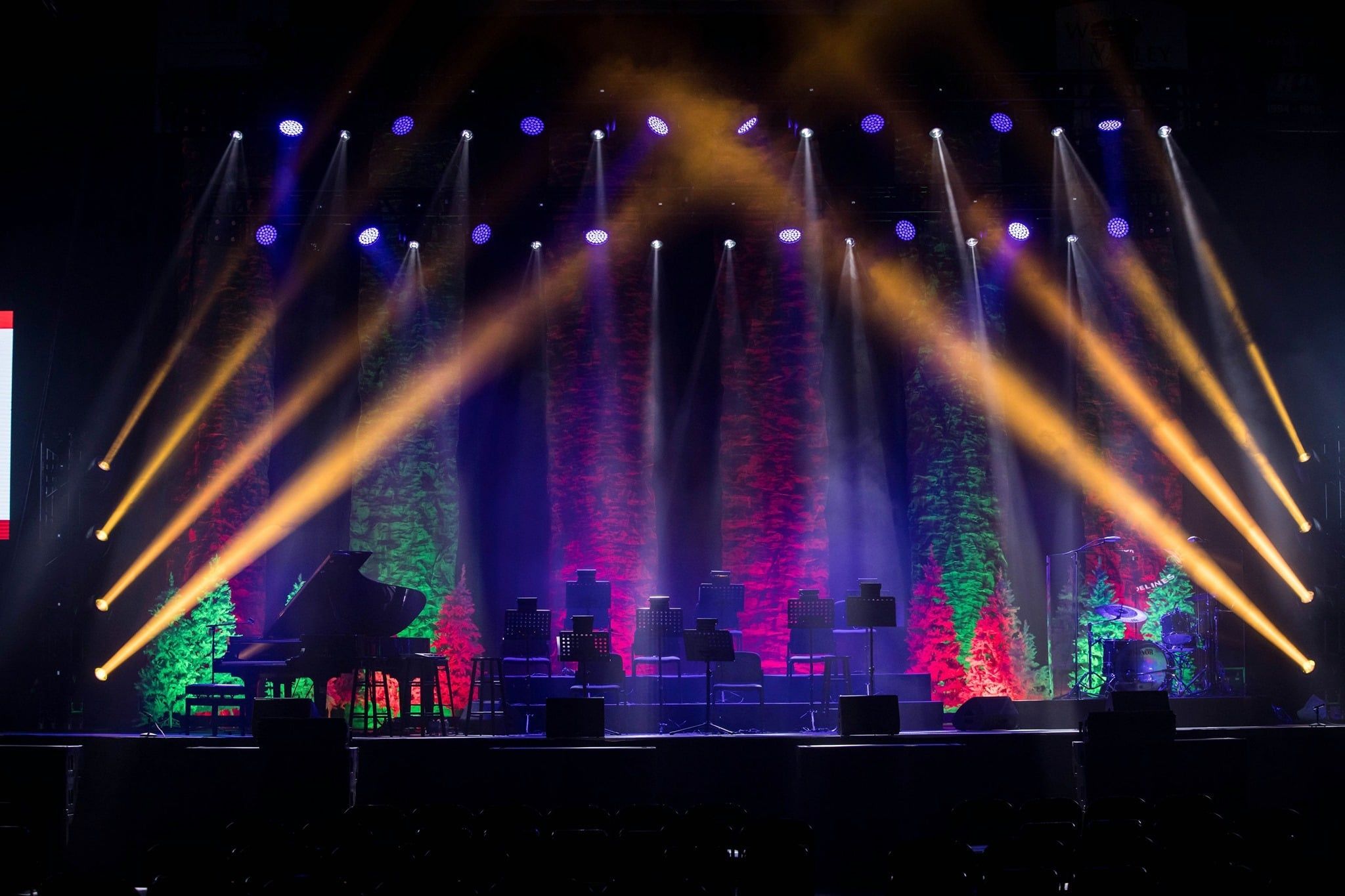
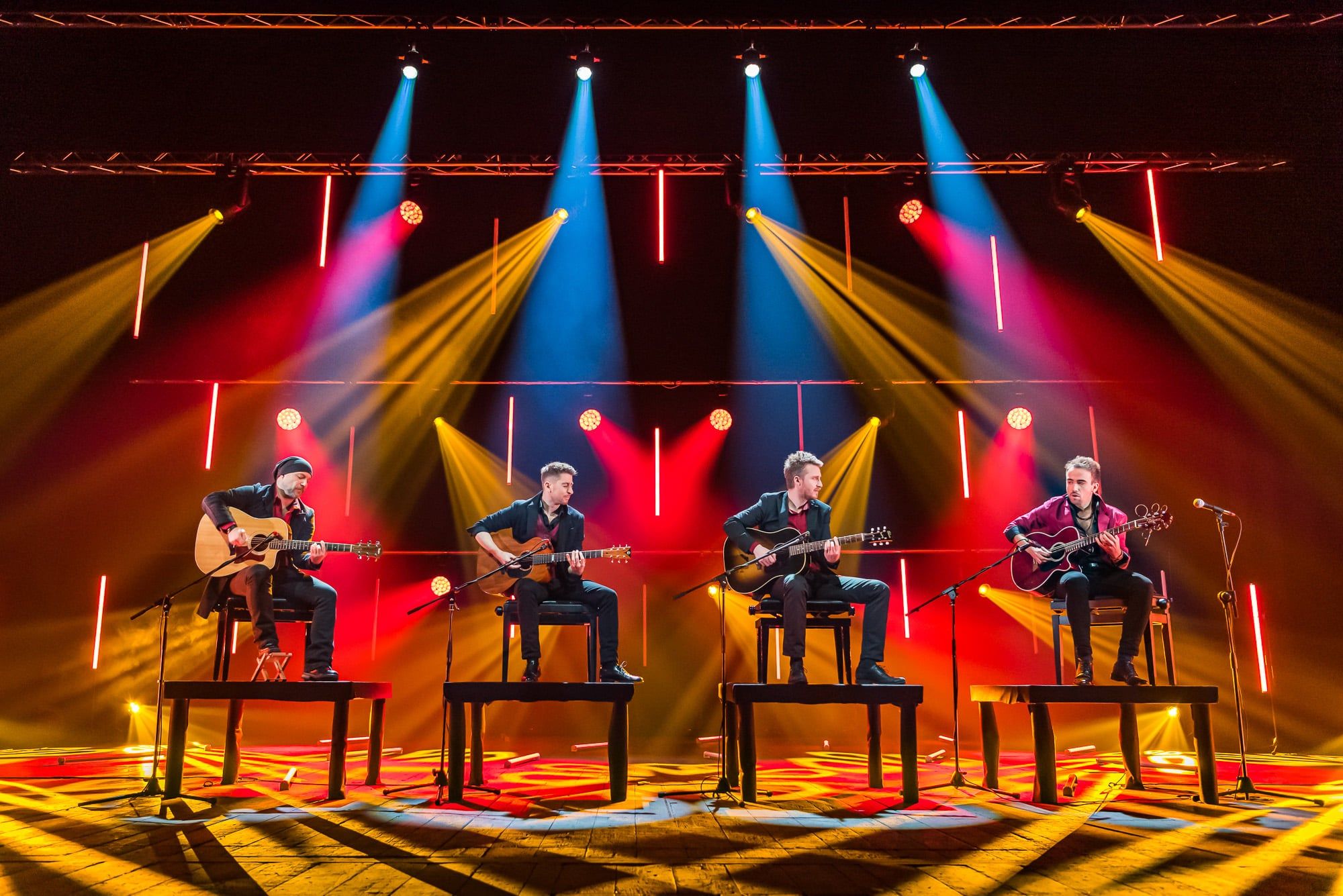
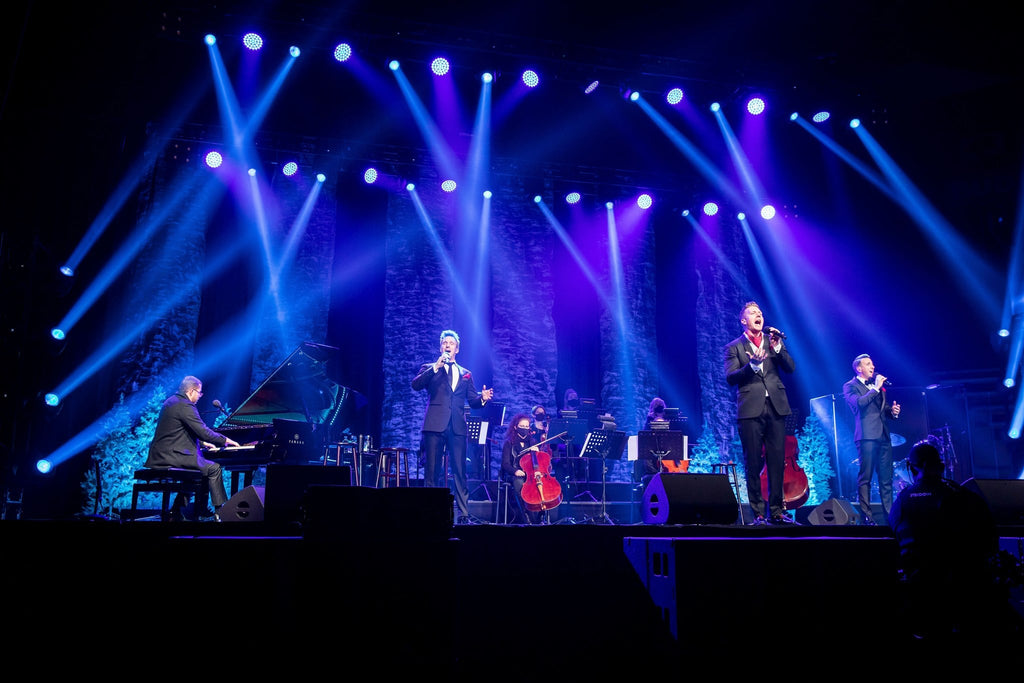 Their sound can also inspire an uplifting lighting design — even on short notice. This was plain to see at the trio’s recent socially distant livestreamed concert at Salt Lake City’s Maverik Center, where Nicolas “Murph” Murphy supported their evocative cinematic-like performance with an artful blend of bold light and shadows.
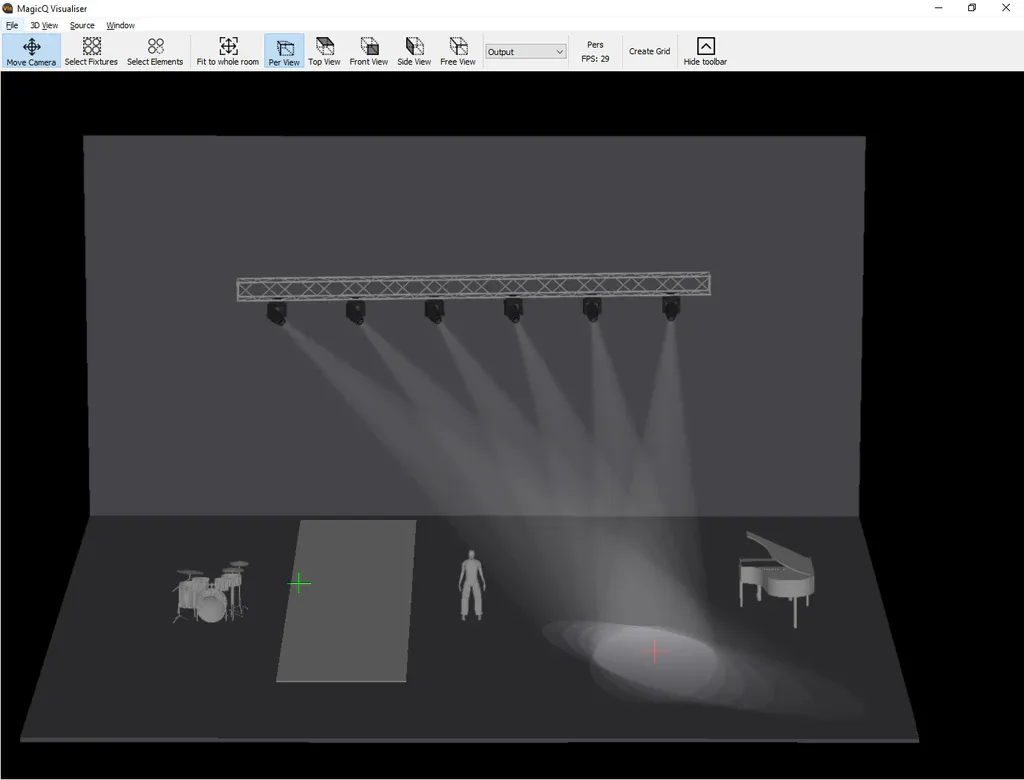
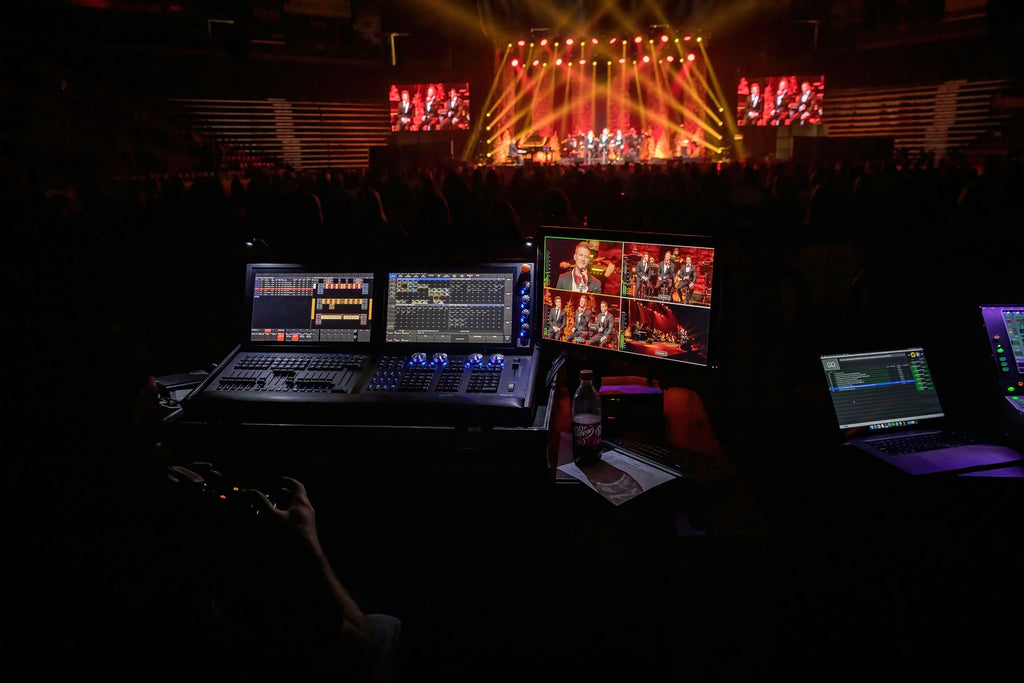 “The group’s production manager is an old high school friend of mine,” he said. “I was able to get a recording of every song they planned to perform. I tend to listen to the track a few times and then program out what I visualized in my head. Kind of my normal process when I am afforded the time. Due to our limited time available in the venue, I pre-programmed everything in MagicVis at my house in less than a day, something I was able to do, because it’s so easy to work with this software.”
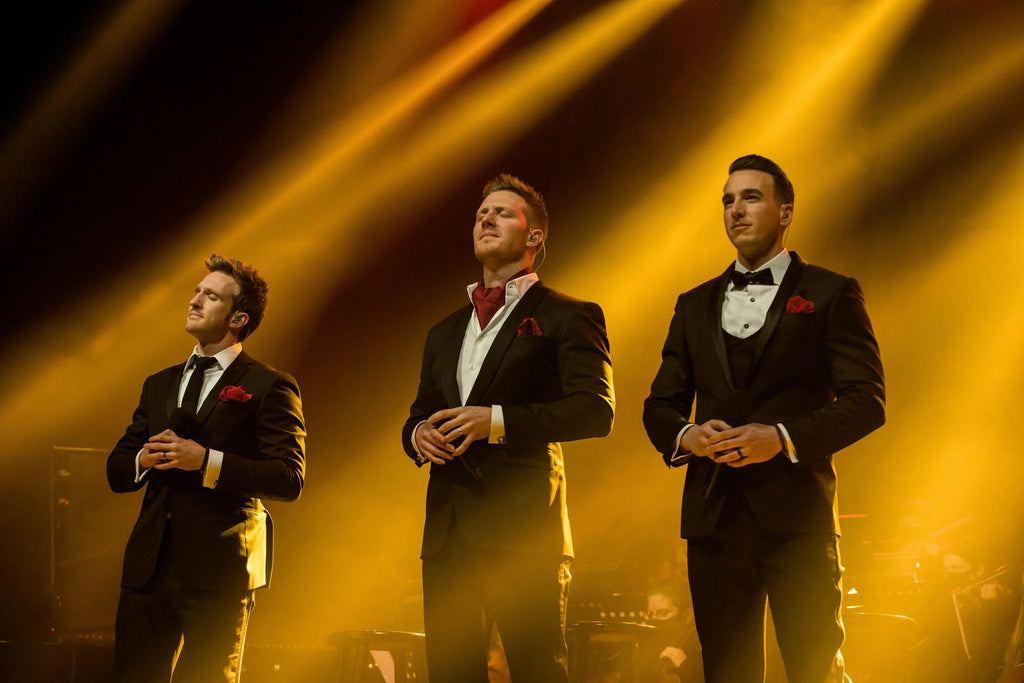 The stunning looks created for this show also translated well onto photographs. A “bonus” in this concert, notes Murphy was that his design was photographed by Leavitt Wells.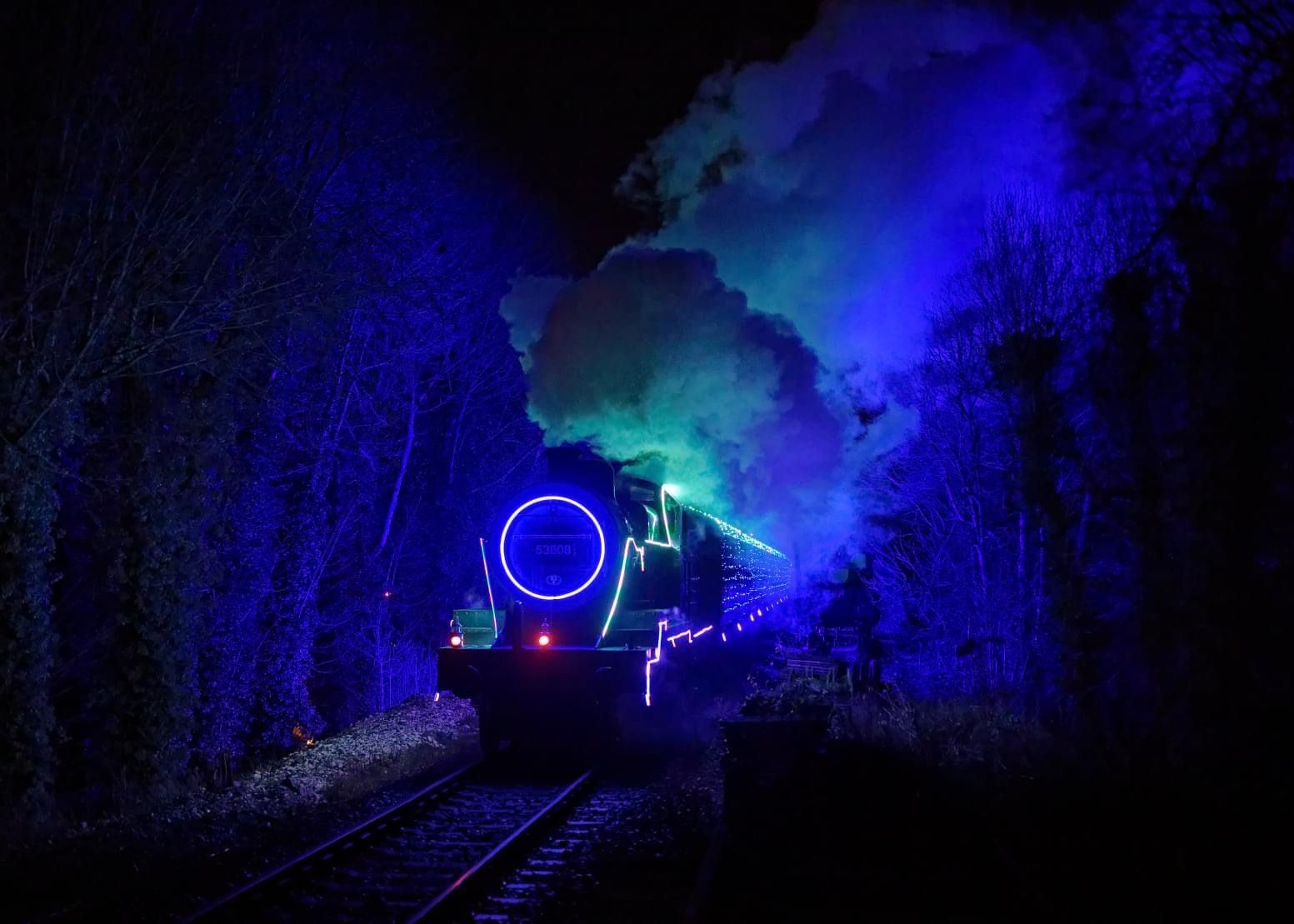
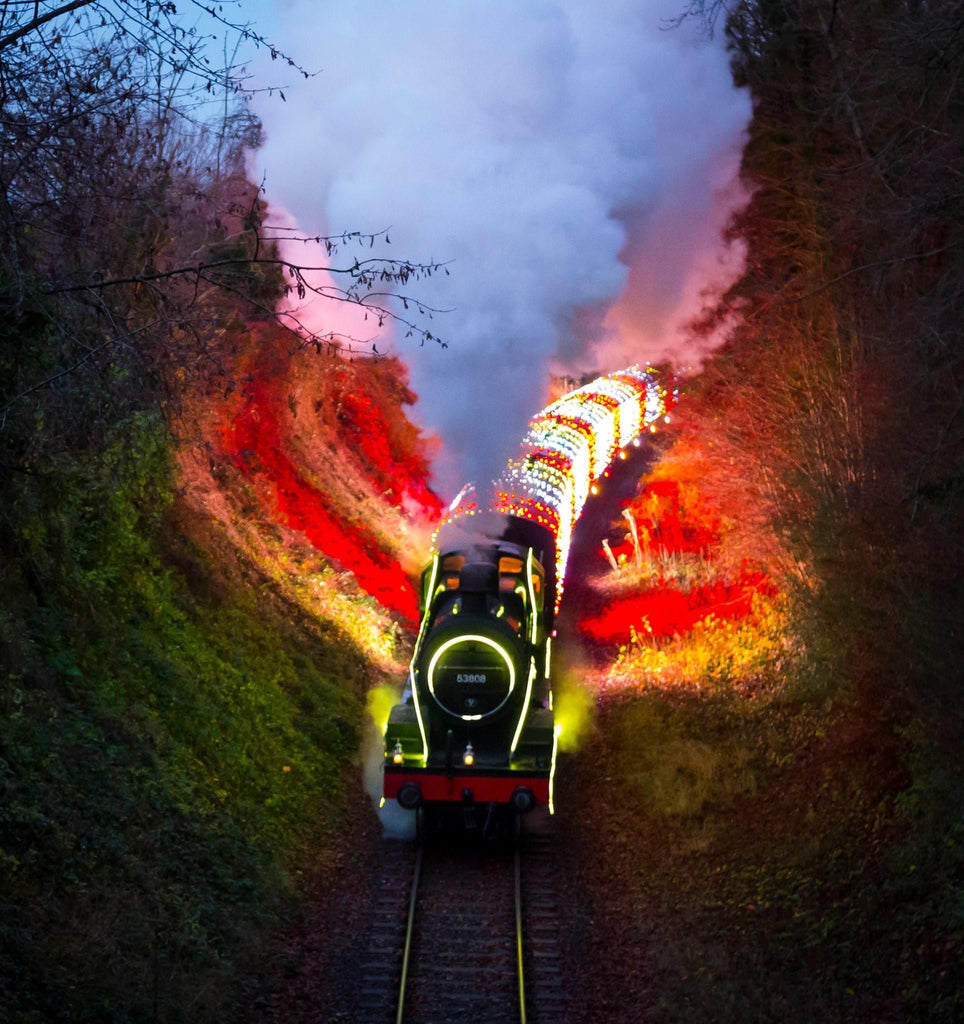
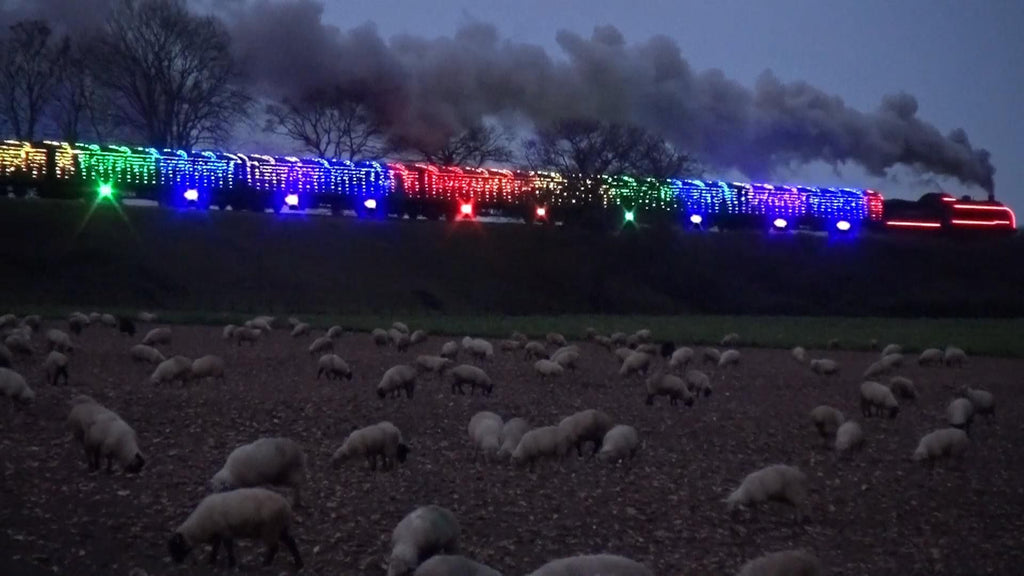 Given the size and scope of this lightshow, the channel capacity of the MQ500M was another important benefit for Horn. “At 78 Universes and with limited space on the train for control gear, my console was a life saver, because it handled everything with no need for any racks of external processing.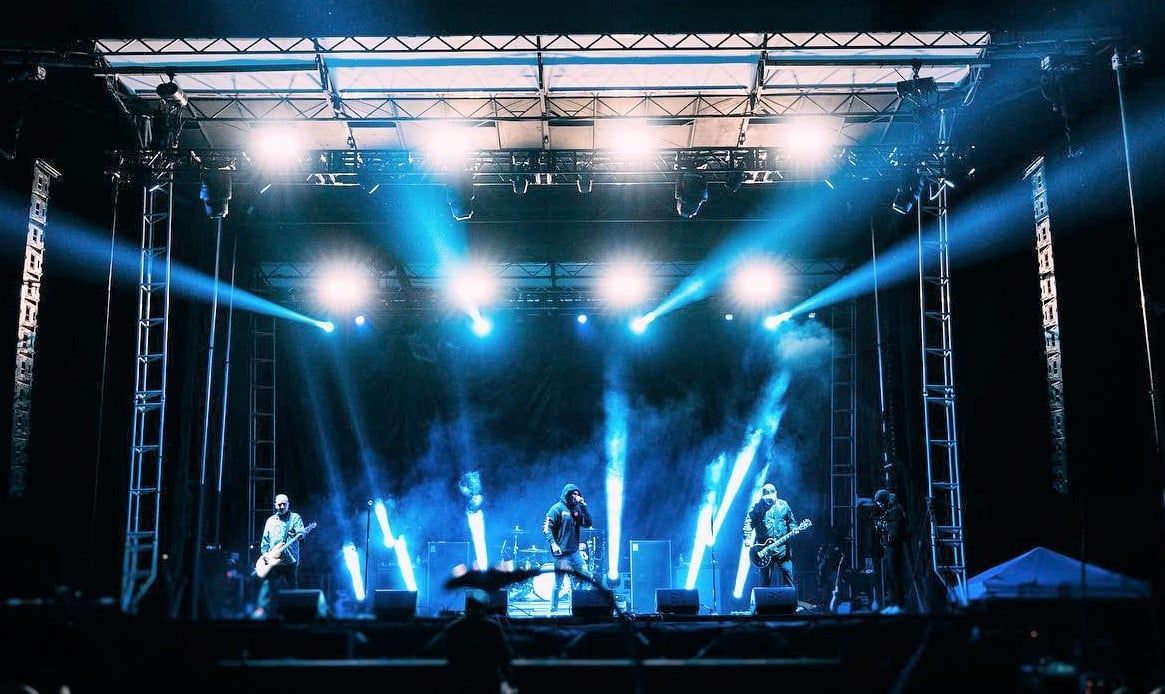
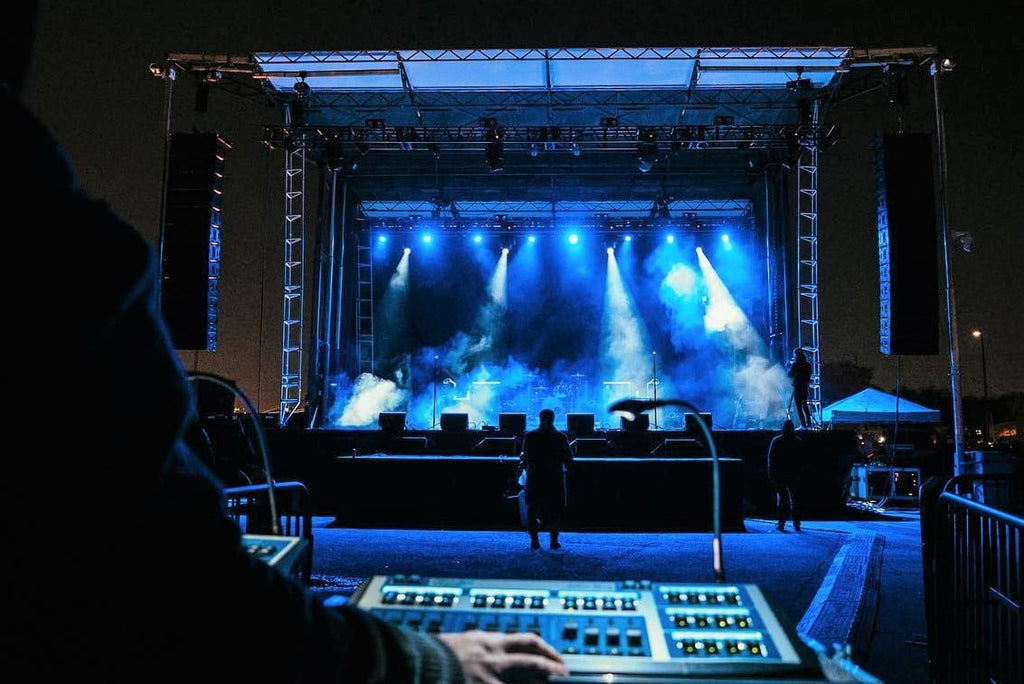 Scott’s plan may have seemed simple, but there was a complicating factor: he was given only 48-hours-notice that he would be LD for the show. To make matters even more problematic, he also had to light two other bands on the second night of the holiday show, along with providing supplemental lighting at the start and conclusion of the movies that were shown each night.
 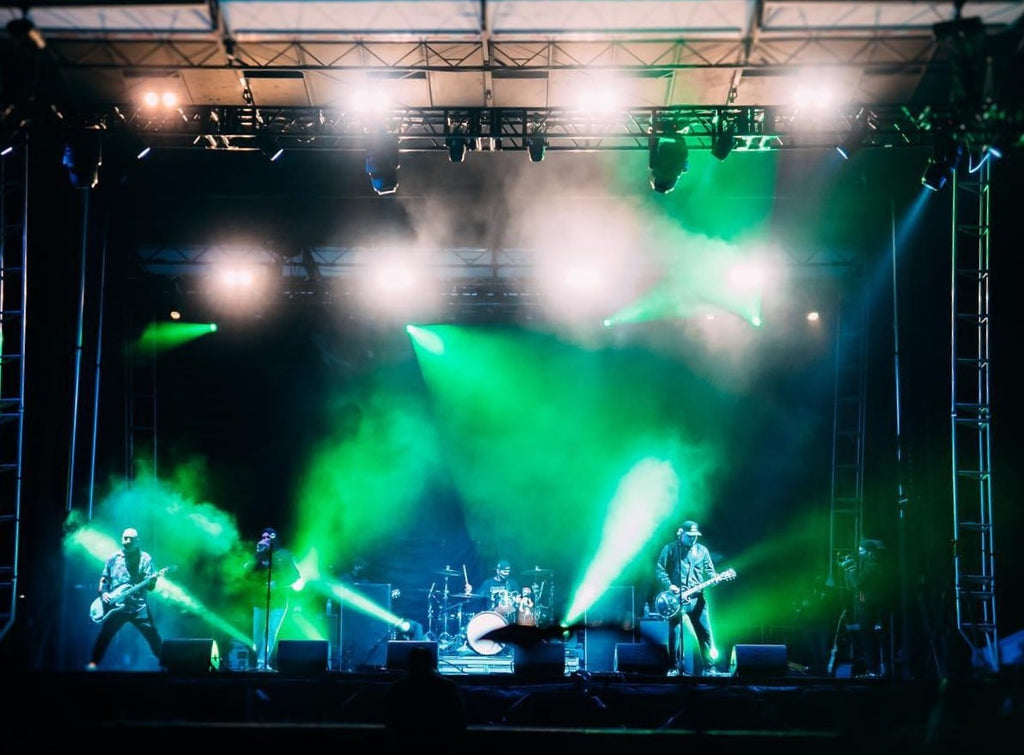 “Being able to take my desk on the stage deck to do my DS focus without having to ask a tech to assist with moving it made my days a lot easier,” said Scott. “I never fail to be amazed at how something so compact can be so easy to work with in real time at a show. Things like the eight Encoder Wheels put so much at your fingertips.”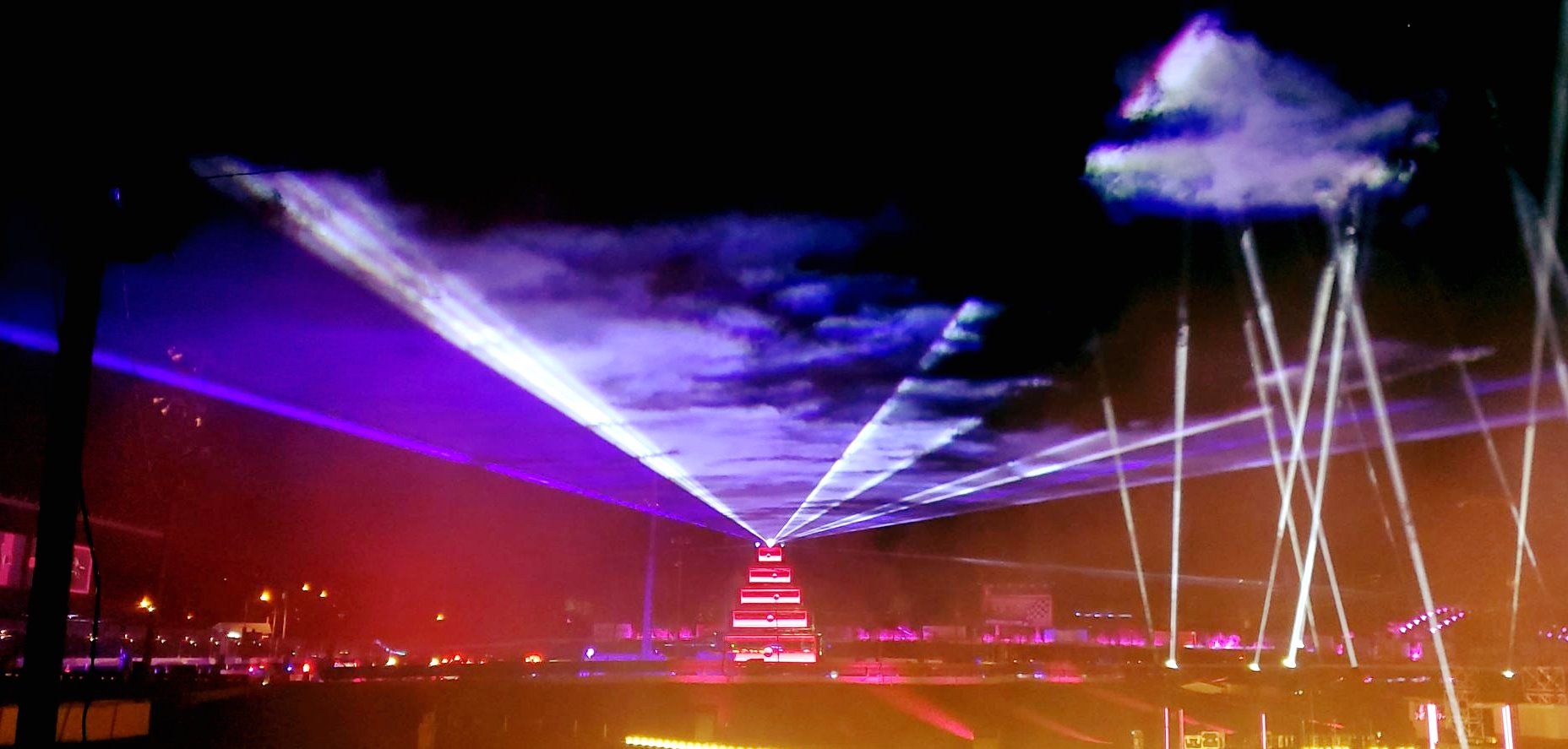
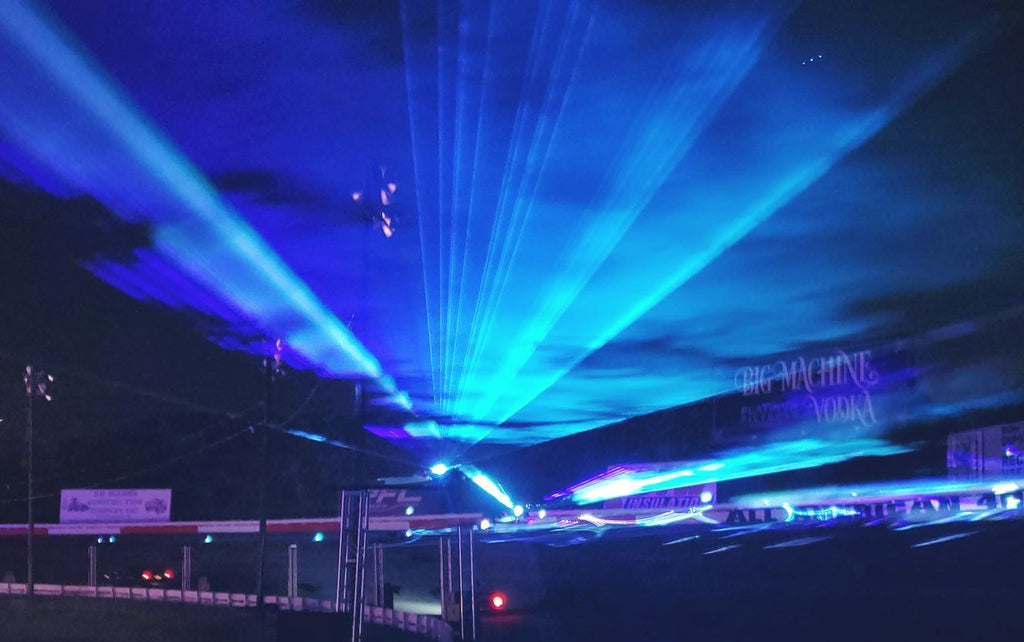 Dustin L Derry programmed and ran the laser show on his ChamSys
  Describing the MQ500 as “the workhorse” of his 24-universe (one for each laser) show, Derry recounted its role in his work. “I used the MQ500 along with X-Laser Mercury for programming the show in my home studio, and the interface between the two was perfect,” he said. “MagicQ was the primary ‘brain’ in my entire show.
 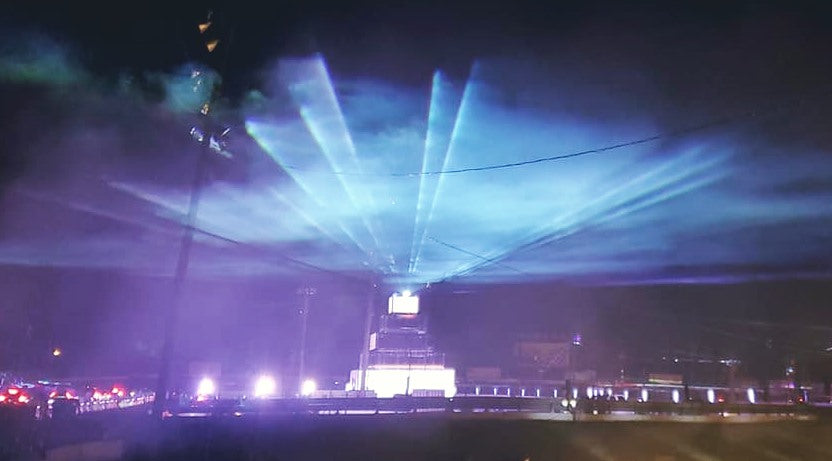 In addition to his main console, Derry had a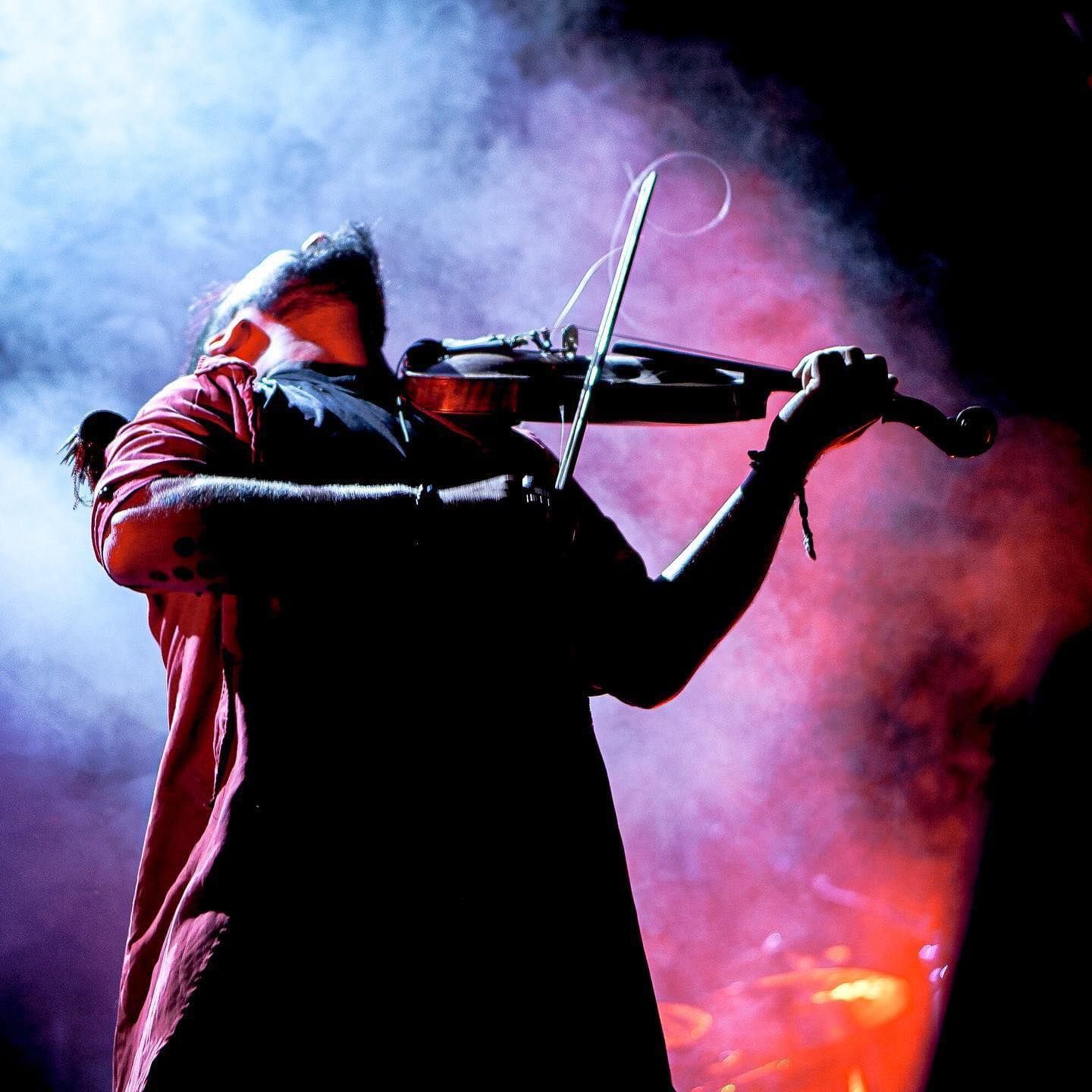
 A longtime ChamSys user, Berzosa programmed his show on a MagicQ with a PCWing. He is running the show at venues throughout Spain on his
 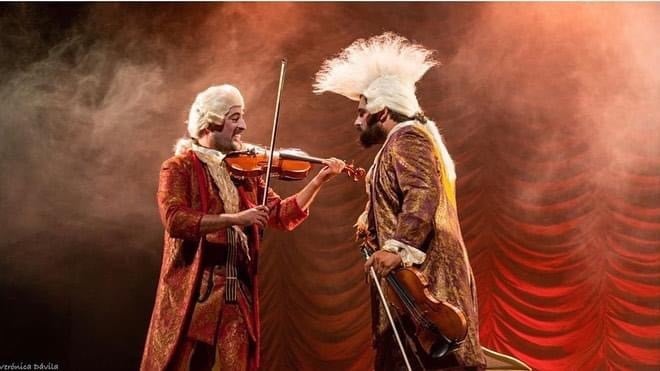 “The Plan View Grids in the output window that allow you to have multiple Grid Plan Views to divide up a lighting grid views are very useful when you have so many elements in your show,” said Berzosa. “It is easy for me to simplify things by using the buttons and encoders to change brightness levels and colors for fixtures by groups, especially since I had so many things going on. Also, having the faders and encoders arranged around the touchscreen is very convenient.
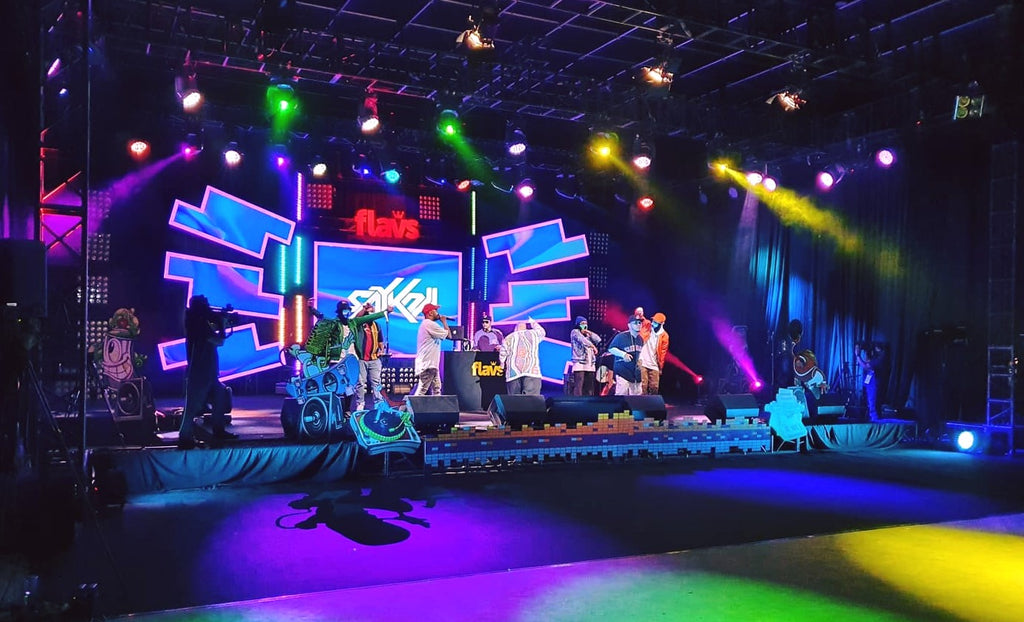 As so often has happened when creative spirits have been challenged by this pandemic, those involved in FLAVS came roaring back with a fierce burning intensity that blew away any disappointment. The 40 artists who appeared at the festival created a tight, nonstop torrent of raw unapologetically passionate sound, leaving those who paid Rp 99,000 (US$6.99) for a virtual day pass with the feeling that their money was well-spent.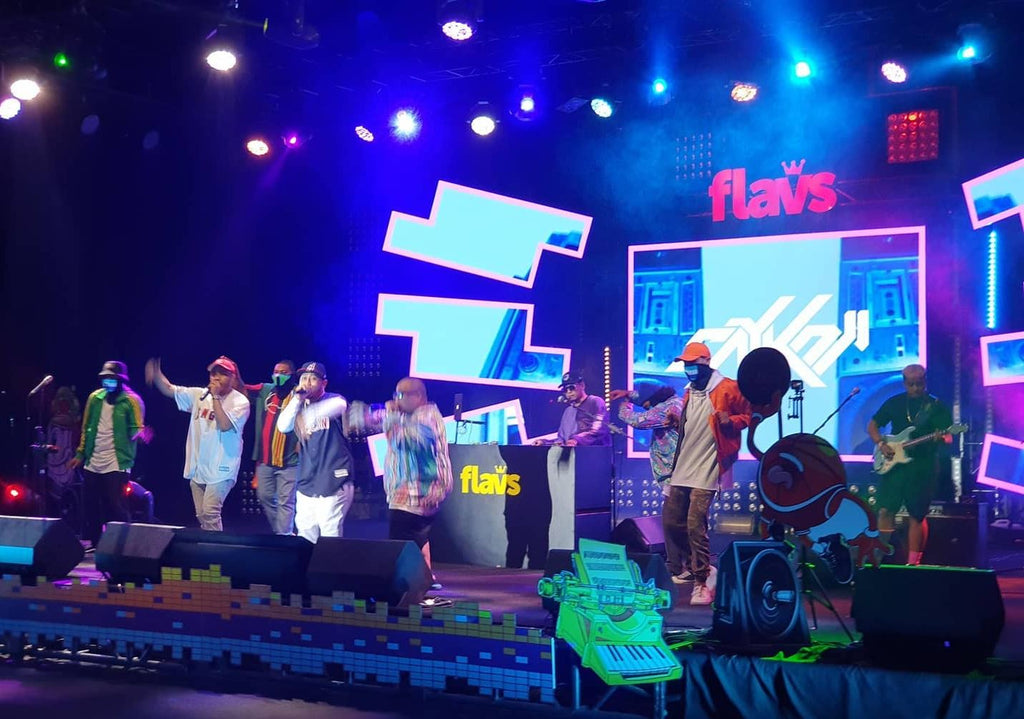
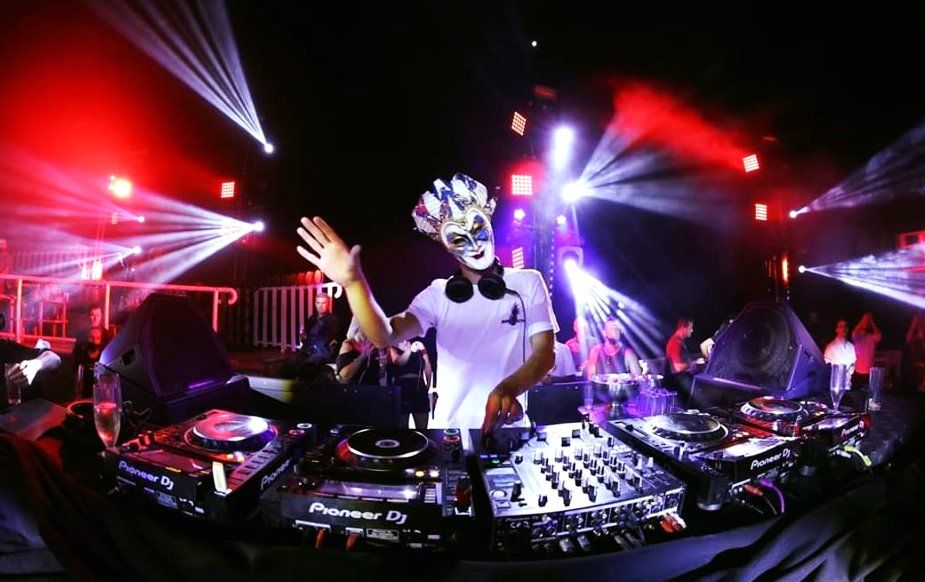
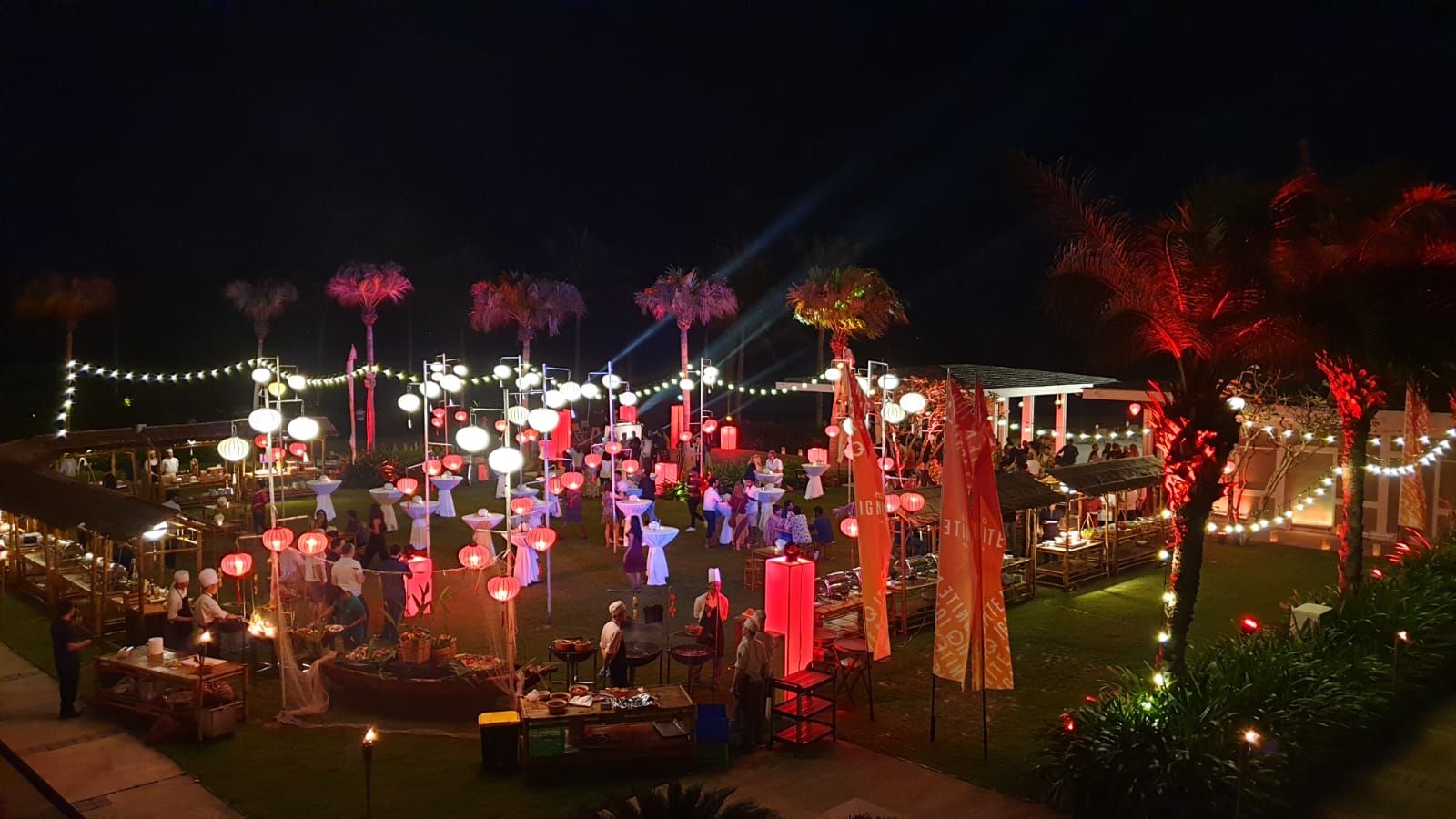
 Dimitriadis arranged some of the fixtures in his rig on five totems behind the DJ booth, spacing them out to preserve the sea view. Other fixtures were positioned on overhead hang points as well as on each side of the booth. This allowed him to hit the DJ and the widely separated tables on what would normally be the dancefloor with an immersive web of light from every direction.


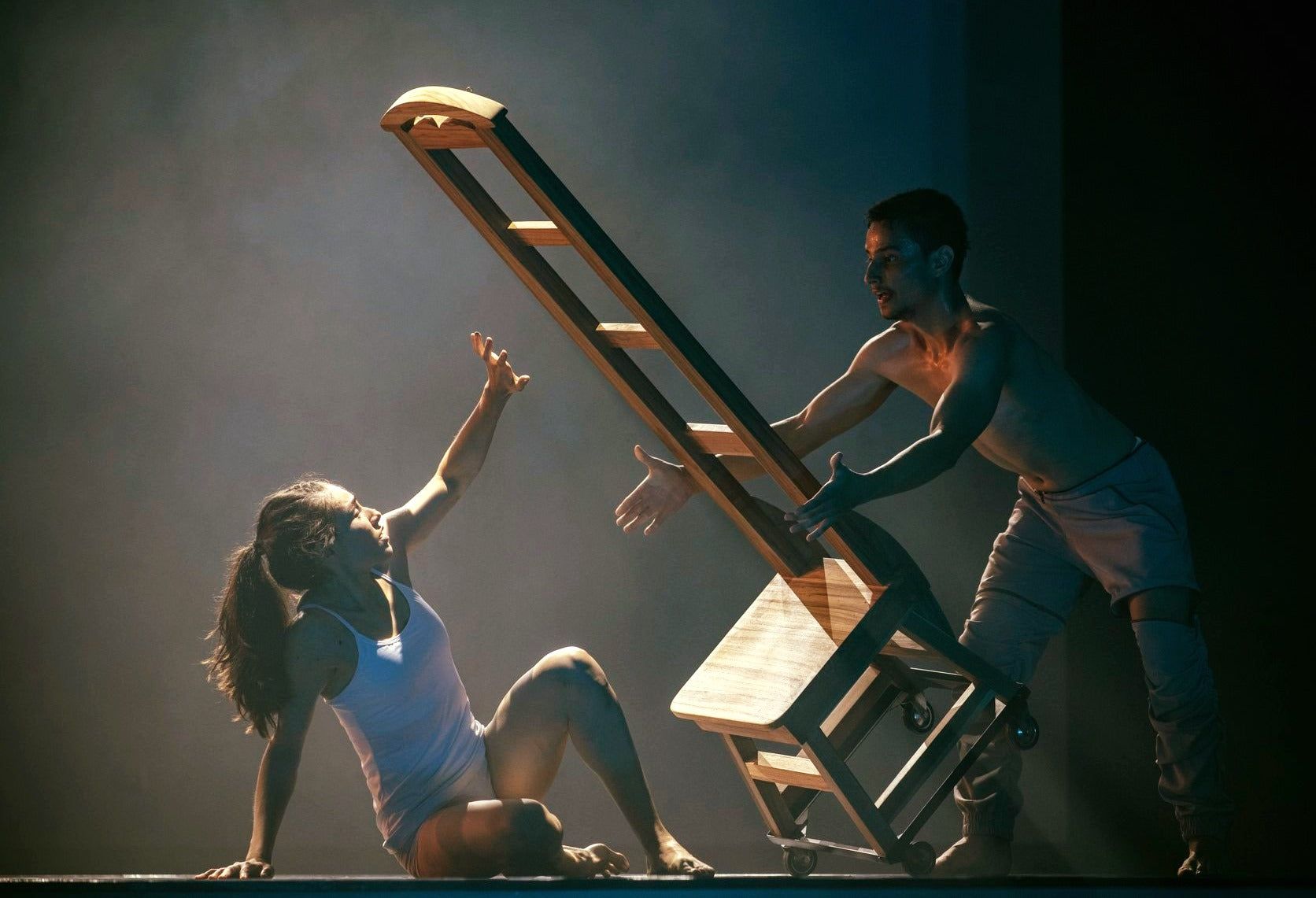
 Taking place at the Universidad Nacional de Costa Rica School of Dance in late 2019, the production won the national Mireya Barboza 2019 award for best designed dance show in February. It captivates audiences by presenting a series of stories built around its central them.
 “In a production such as this one, where there were so many components and so many changes of scene, it was very important to have a smooth workflow,” said Piedra. “The ChamSys console aligned with my creative process. This was fantastic, because it let me focus on what is truly important, telling the story and creating the right visuals.
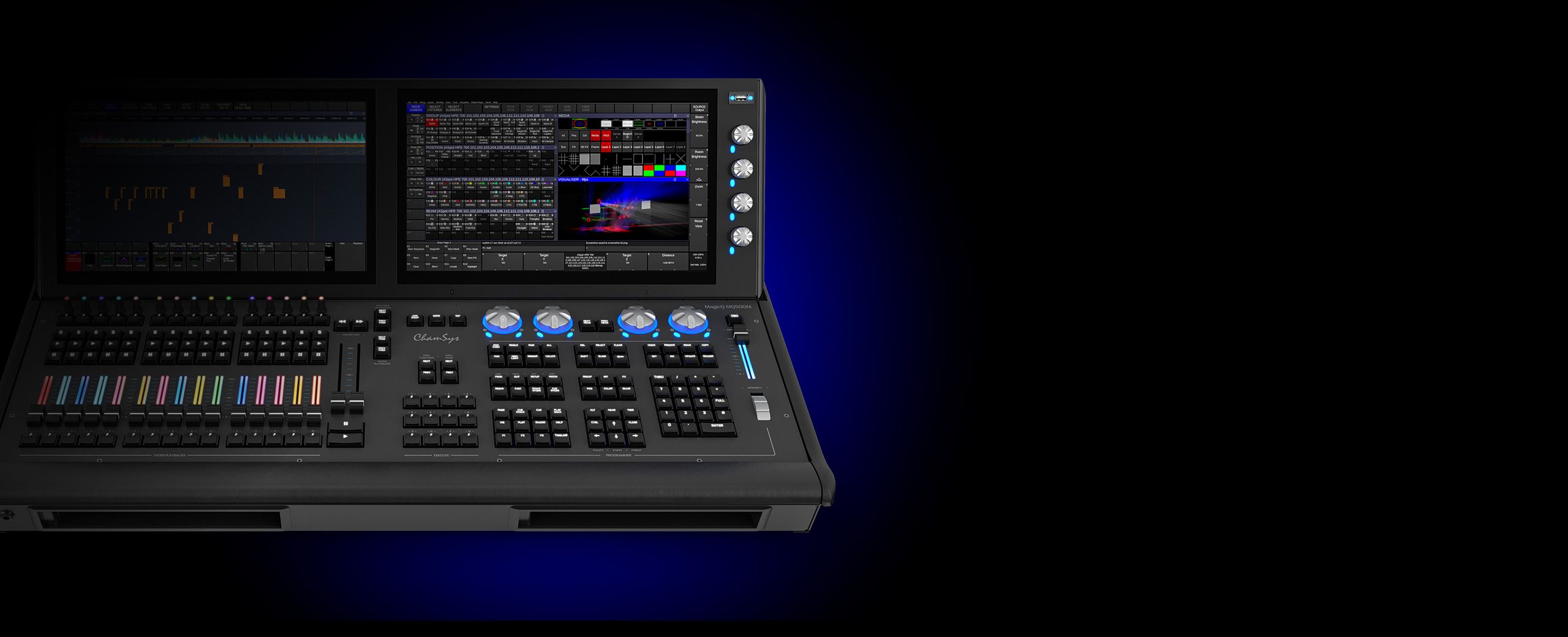

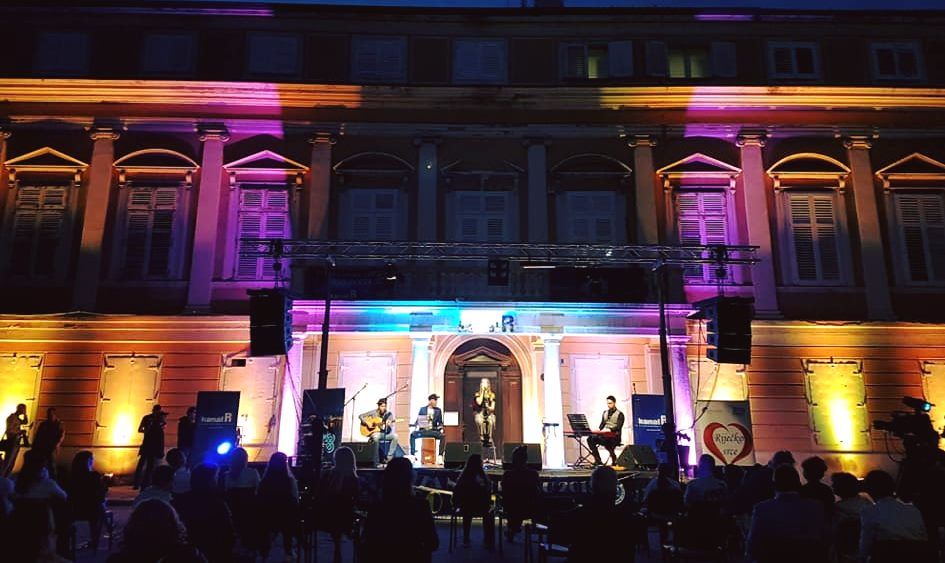






 These considerations led them to pack two