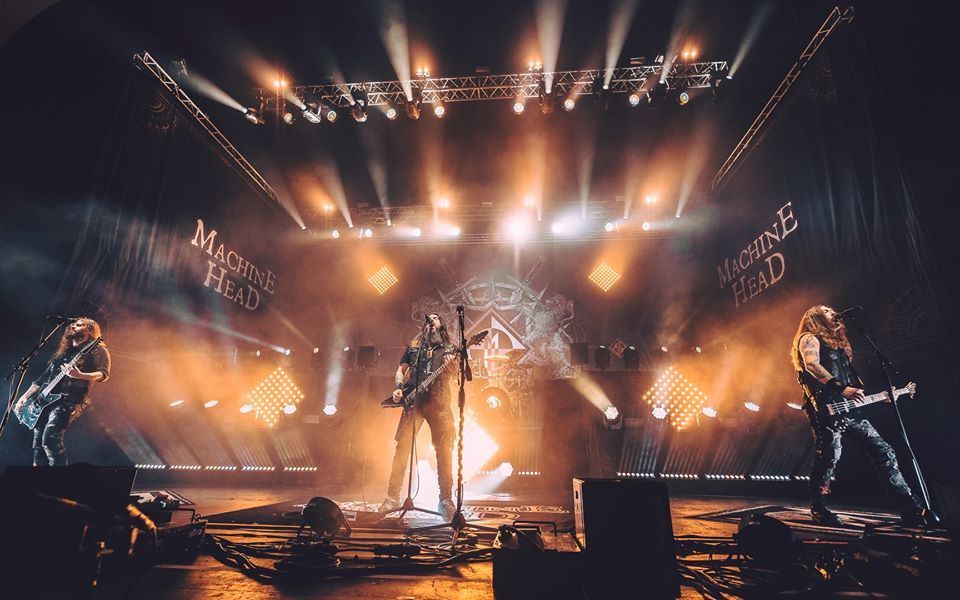
Machine Head Livestreams With ChamSys
VIENNA, AUSTRIA – Streaming has to be “part of the equation” for metal music to survive Robb Flynn told Loudwire in February. The Machine Head frontman was talking specifically about music services, but at the time, the Oakland, CA- based quartet was also video streaming shows from their Burn My Eyes European tour. In March, when COVID-19 caused the cancelation of the remaining tour dates, the band was still able to reach its deeply loyal fans by making videoed shows available on a subscription basis via Nugs.net.
Niklas Fuchs of MartinKames.com ran the tour’s intense, but highly nuanced lightshows, which used between six and ten universes, on his ChamSys MQ100 Pro 2014 with an Extra Wing. “The two months we spent on tour were very memorable,” said Fuchs. “Each show was over three hours and our show file consisted of 314 fixtures.”
Even in a musical genre populated by fiercely independent iconoclasts, Machine Head stands out for their willingness to bend (if not break) metal norms and race forward on their own path with the hungry intensity of lone wolf. The band’s uncharacteristic (for a metal act) embrace of streaming is just one example of their go-it-alone nature. This distinctive trait is also very evident in the unique visuals they wrap around their music.
“A special thing about this tour is that three different designers contributed to the look, Thomas ‘Church’ Christmann, Martin Kames the head of our company, and myself. Each of us had his own creativity flowing,” said Fuchs. “Robb Flynn and Machine Head are very interested in a complex and sophisticated show. They want the lights to be 100-percent on time, lighting up the right person at the right time. Our lighting needs to be calm and slow when the song is kind of soft and then be super punchy and hard when the song is more aggressive. Robb spends a lot of time with the touring LD to get every bit of the lightshow perfectly synced to the actions happening on stage, making the lightshows pieces of art.”
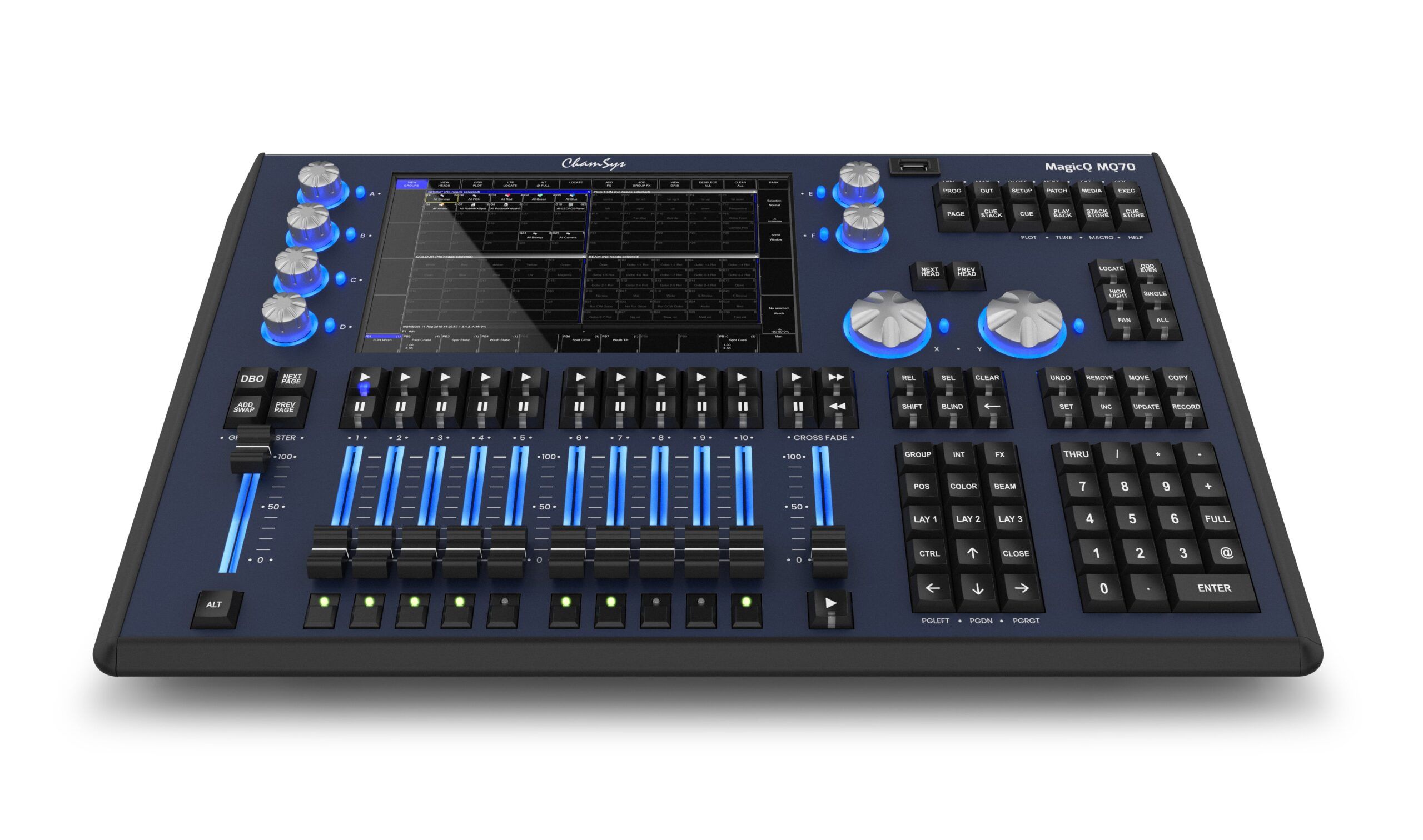
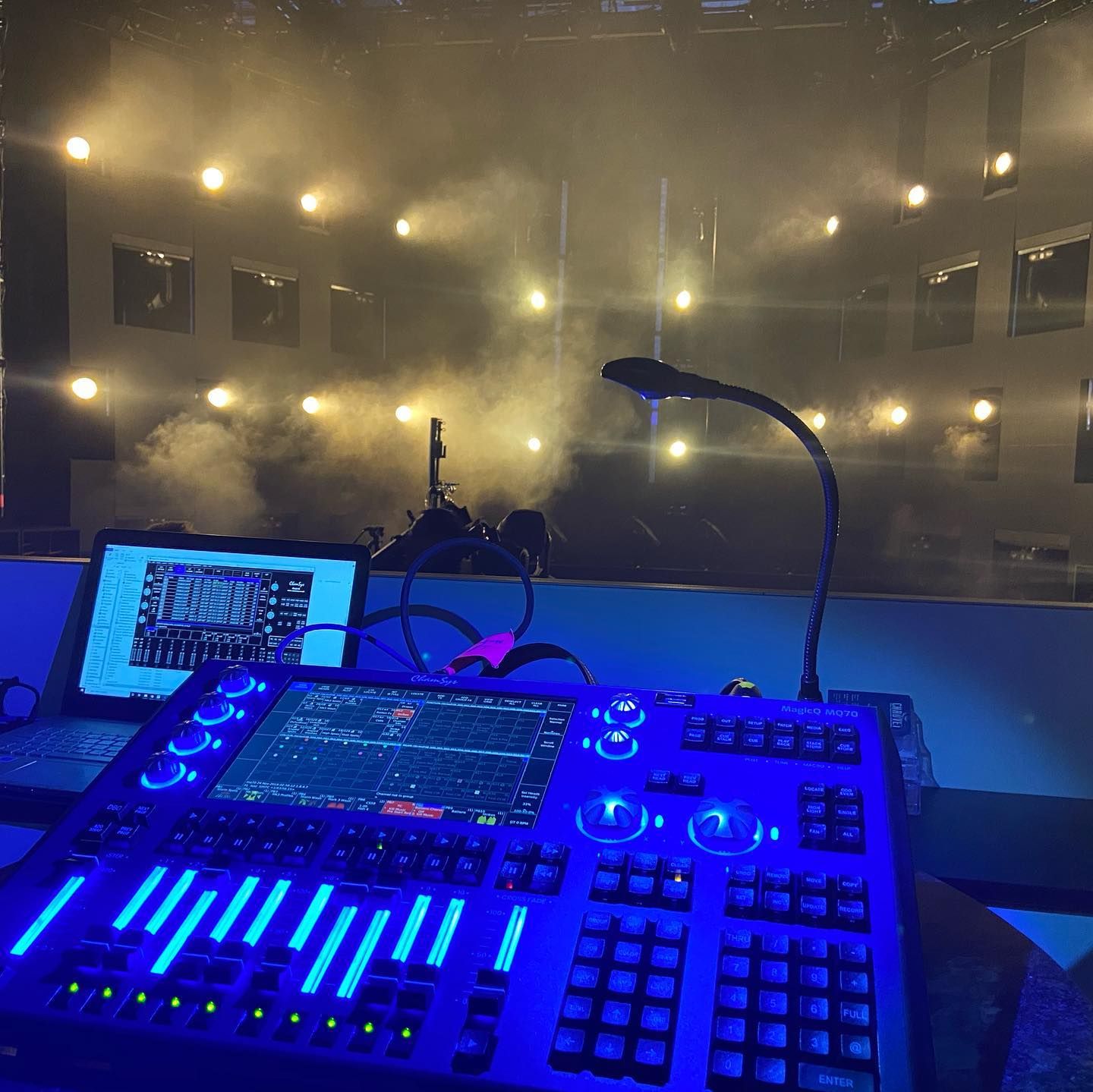
The MagicQ’s robust cue stack control on ten different playback faders made it easier for Fuchs to manage the intricately complex Machine Head show. He was also aided by the desk’s intuitive easy-to-navigate layout.
“Speed and responsiveness were of paramount importance on this tour,” said Fuchs “The windows gave me fast and easy access to different FX. I made great use of the Cloning and Morphing as well as the Playback Priorities and Swap Function. Of course, the compact size was invaluable to me as we went from London, to Warsaw, to Paris, to Brussels. It was a nonstop whirlwind, but lots of fun!”
Of course, the “whirlwind” did stop, coming to a screeching halt when the pandemic hit. Sidelined, Fuchs now enjoys the band’ shows through the videos that were created, and looks forward to the day when the tour resumes.
“I think streaming a show is a good way to reach more people, especially those who miss the tour,” said Fuchs. “However, nothing beats being there! The experience of sound, lights, the band members giving absolutely everything on stage, the energy of the crowd — these are just not transferable to a video stream.”

 Although purely virtual and not good for admittance to any show, each tour pass is customized for Murph’s friends, with their name, as well as job title, which is some form of “House Integration Specialist.”
 Murph is gratified that his “world tour” is making a difference in the lives of people close to home. He’s also grateful that it gives him the opportunity to work his console. “I have been touring with a MQ500 since 2017, right when they came to the United States,” he said. “From what has been told to me, I was the second person in the States to take delivery of the MQ500 and the first to take one on a North American Tour.”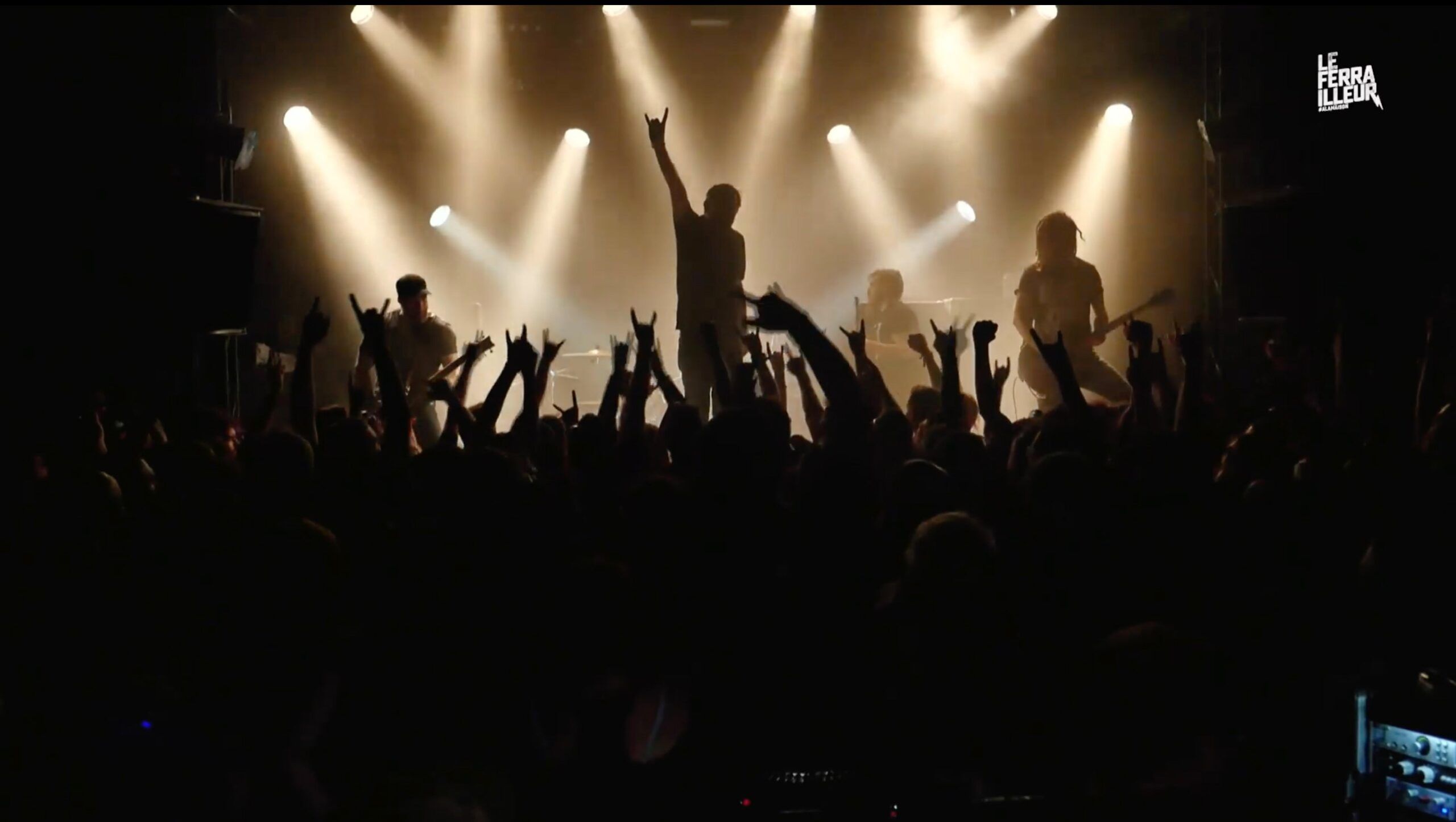





 Just ask Lighting Director and Operator Jason Hyne, who is running the boards for the show, which was designed by Rob Sinclair. A ChamSys user since 2013, Hyne is working with the MQ500 for the first time on the Ducks tour, and finds that the console has greatly enhanced his work.
 “I was very impressed with Adlib’s new programming suite, as well as team account handler Jordan Willis, and the lighting team of Kev Byatt, Paul Hyne and Oli Gorman,” said Hyne. “As you would expect, the


 When Iwan ran the boards during the festival he was grateful that he could work with playbacks and preset faders without swapping between modes, which made it easier to busk. “We did a lot of busking, because many of the bands gave us their song lists only at the last minute,” he said. “This is when you really appreciated that the ChamSys is so user-friendly.”


 Ho was also impressed with how smoothly his console worked with the different brands of washes in his rig. “We had three different brands represented, almost evenly,” he said “It was quite a task to make sure we had the correct color balances across this diverse rig. This was especially important because we had to watch our colors for our video cameras.”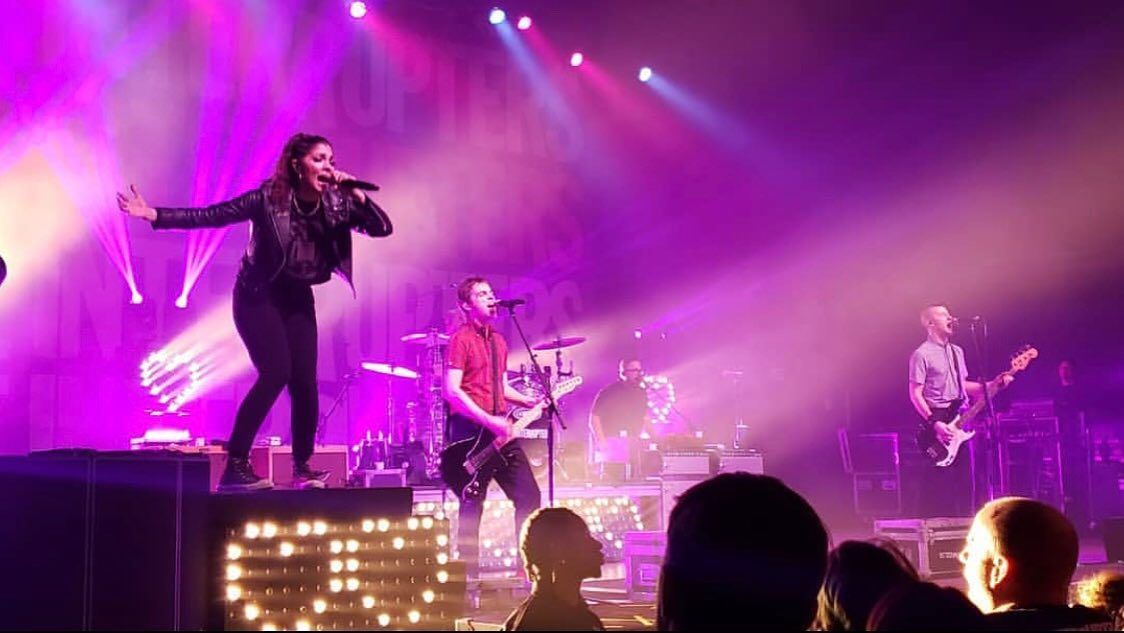



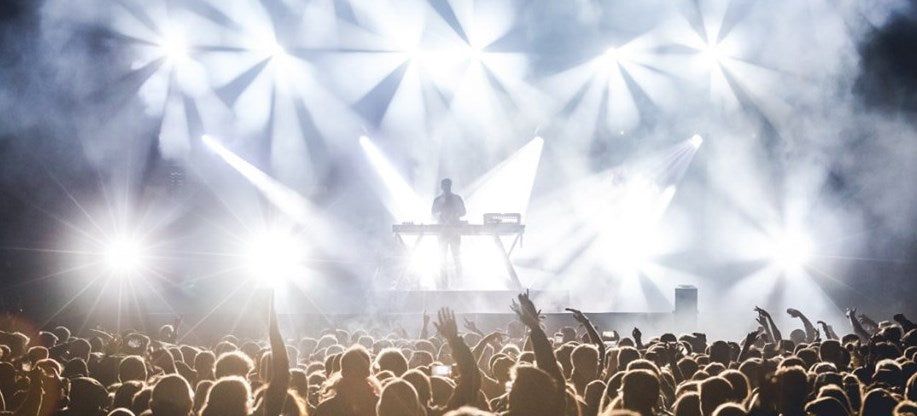


 The Arf & Yes lightshow was more than just grand in its scale. Its power to move the audience also emanated from the artful balance of its design. Brilliant shafts of light that rained down on the stage endowed the show with an evocative translucent quality. The triangular configuration of lights on three levels positioned over the stage, created a sense of depth. As these mesmerizing looks were being created, deft key lighting seamlessly supported each of the 36 songs from the north and south of China that were performed at the event.



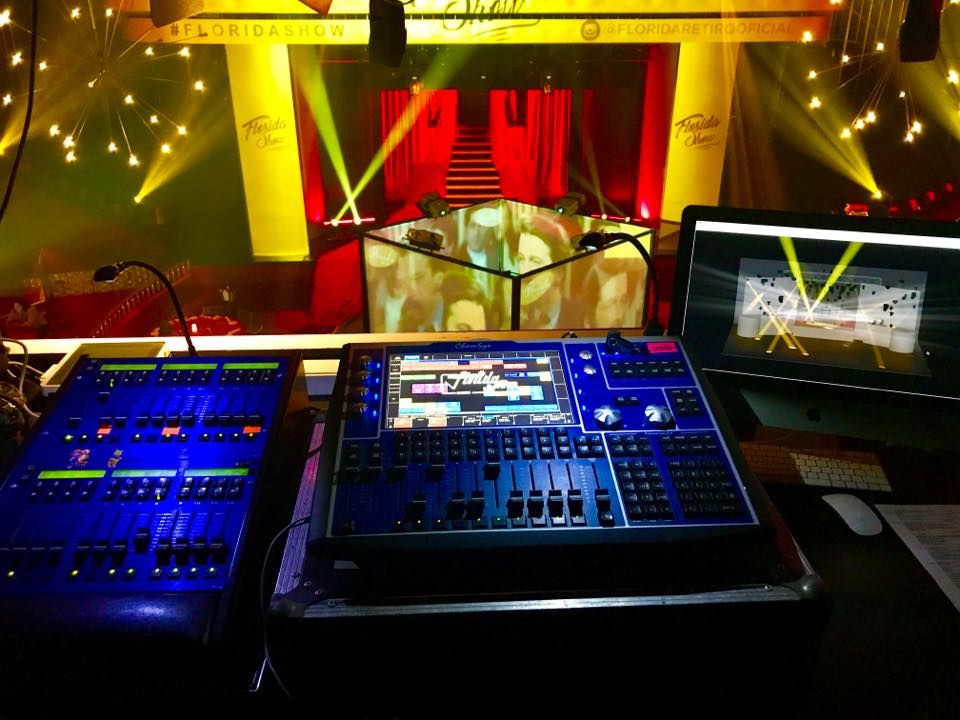


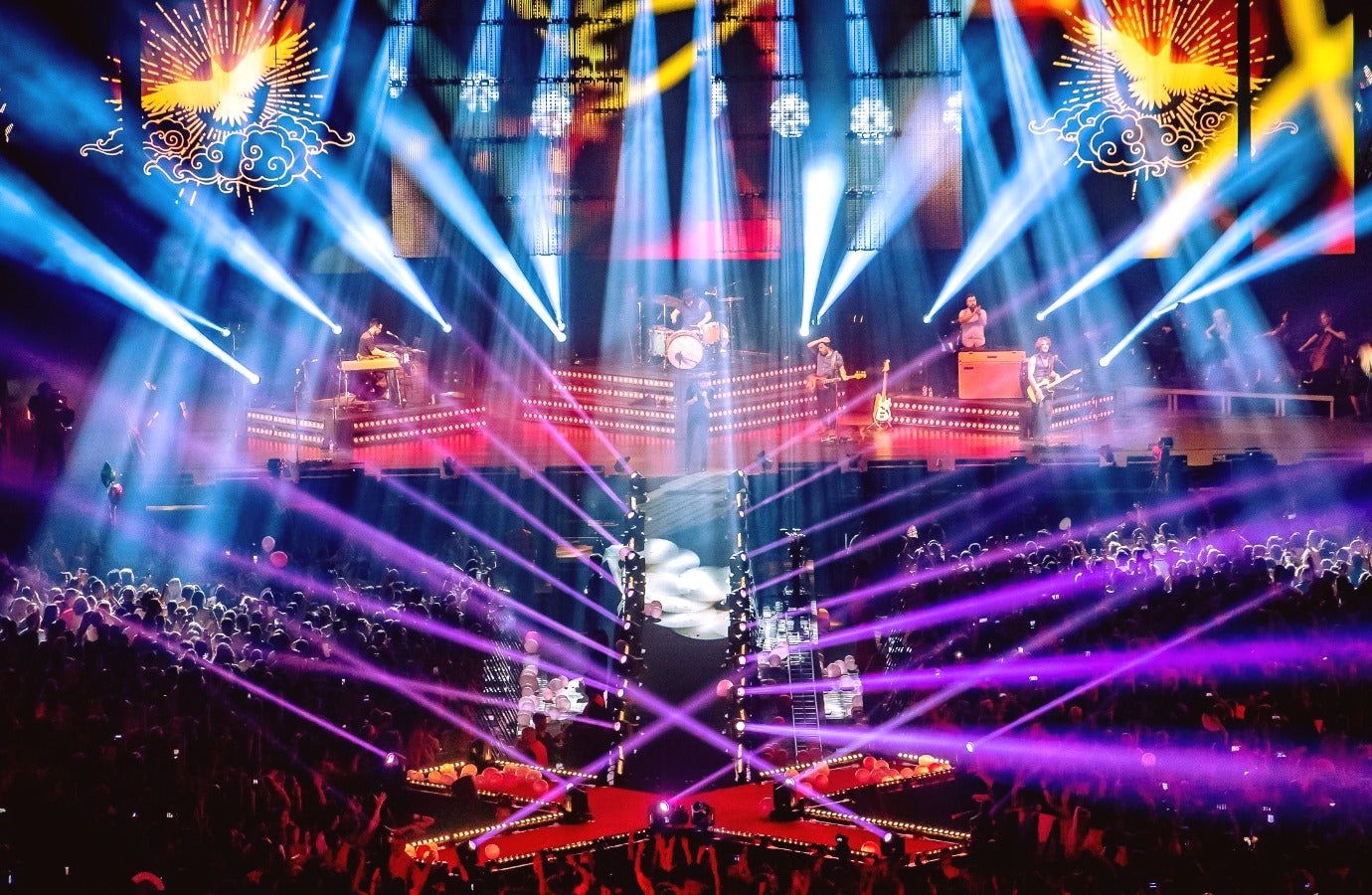
 The 68,000-seat stadium serves as the home to Atlético Madrid, but on Saturday June 29, it played host to another of Spain’s national treasures when it welcomed singer Manuel Carrasco who appeared there as part of his 35-date “The Cross of the Map” tour. Fans who packed the stadium were immersed not only in the emotional power of the star’s vocals, but also by the sweeping visuals that Jvan Morandi ran from a control center powered by no fewer than six ChamSys desks including two
  Helping Morandi weave this intricate light and video tapestry together were his ChamSys consoles. He used his two
  Another feature of the ChamSys consoles that Morandi has been placing a premium on is their versatility. Carrasco’s “The Cross of the Map” tour is very aptly named, as the show has been crisscrossing the Iberian Peninsula with a passion.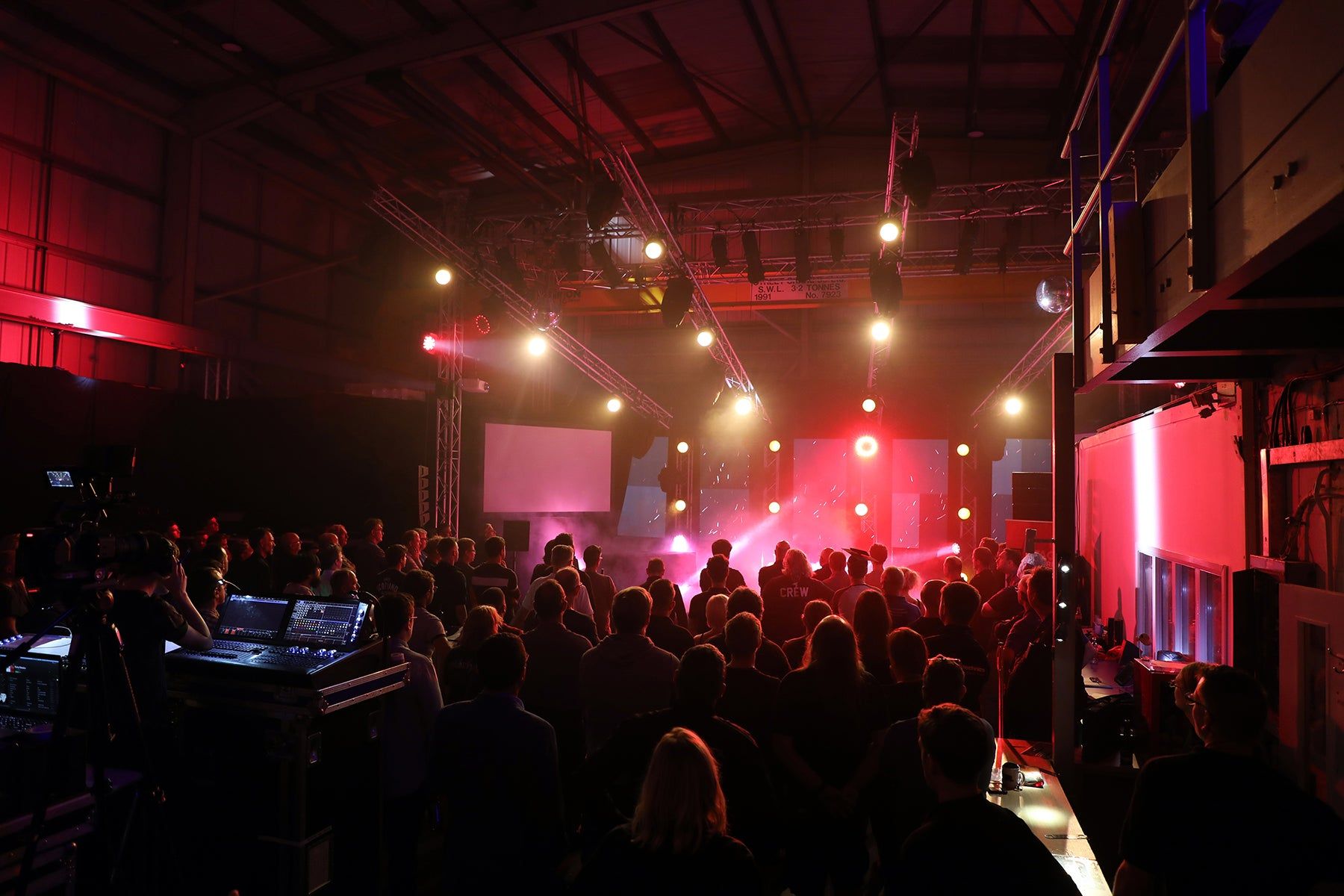
 Adding a lighthearted touch of drama to the proceedings was a short skit presented by company team members on the history of ChamSys. The skit recounted how company cofounder Chris Kennedy developed his first console at the age of 10. Telling the story of a young man with big dreams, the skit showed how Kennedy achieved something beyond even his wildest imagination years later when an award-winning ChamSys console was used by Art & Yes to control a record-breaking 64,000 parameters over 186 universes directly without processing nodes.
 Following his “acting performance,” Kennedy treated guests to a preview of the new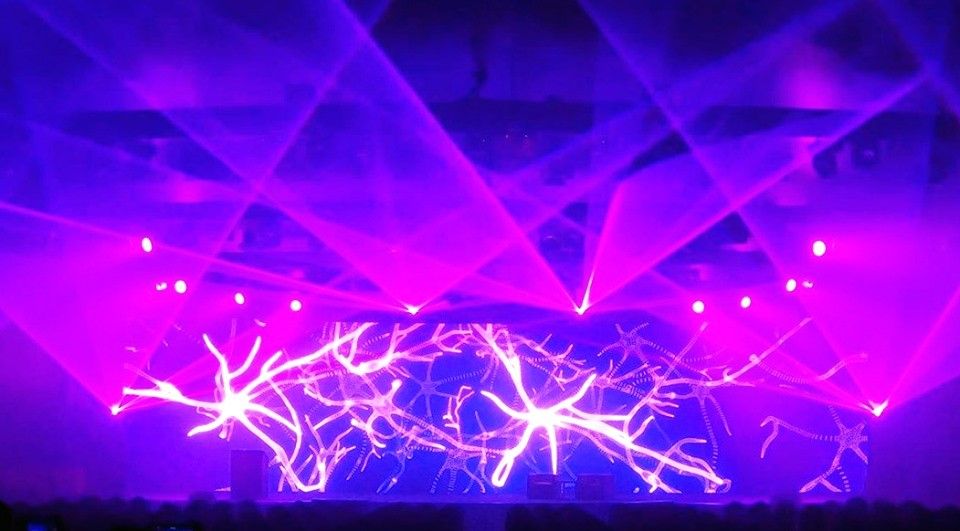



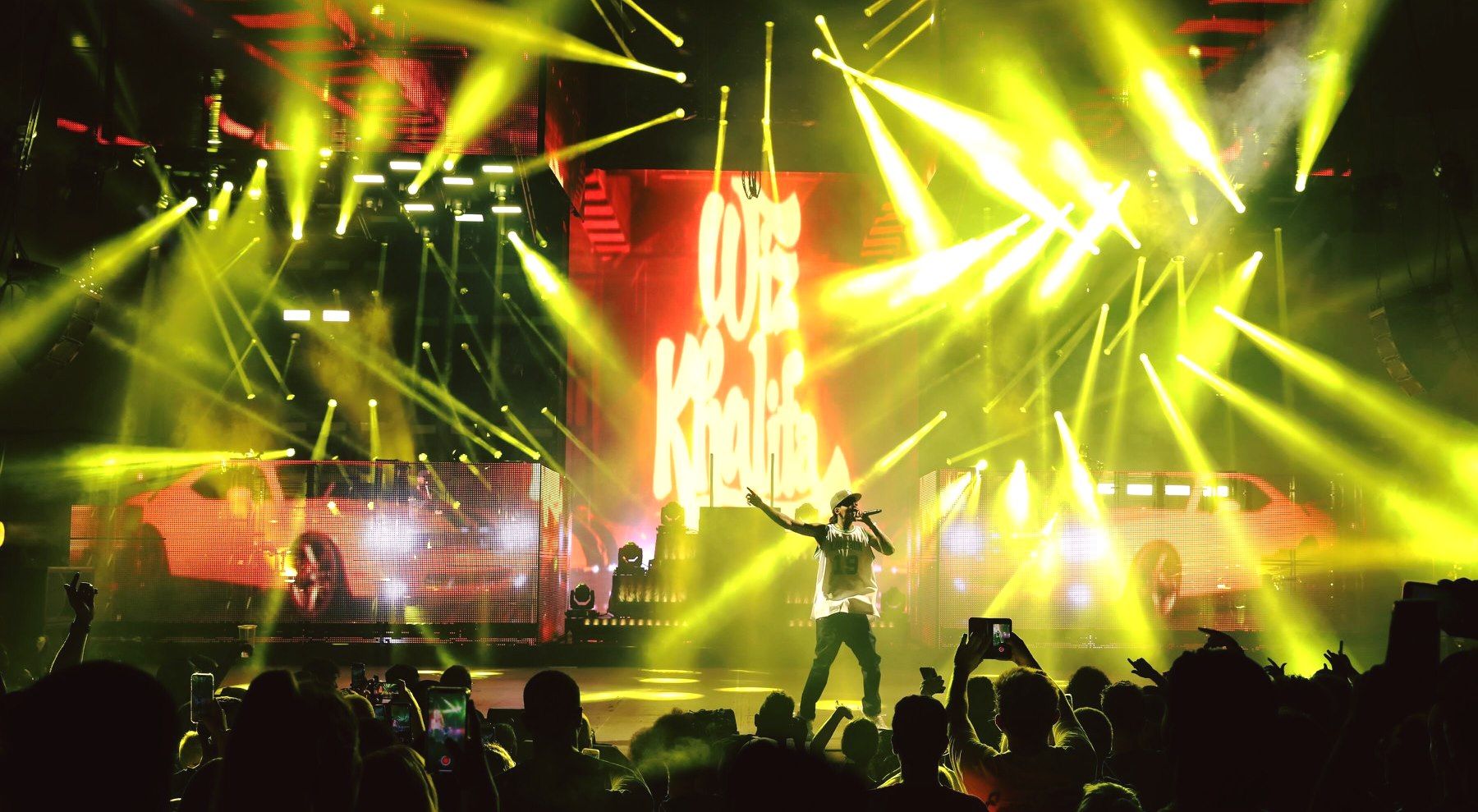

 Bullock’s ChamSys console helped him orchestrate this array of visuals into a single, powerful and precisely coordinated show. “To be able to run this whole show with no NPU is a beautiful thing,” he said. “That’s what I get with ChamSys. It simplifies operations. The command structure is very straightforward and logical. I can select palettes via hard buttons without having to look through screens, so I can actually be more focused on looking at the show!”