Ed Warren Powers Four Tet, fred again.., and Skrillex’s Seminal Madison Square Garden Show with ChamSys
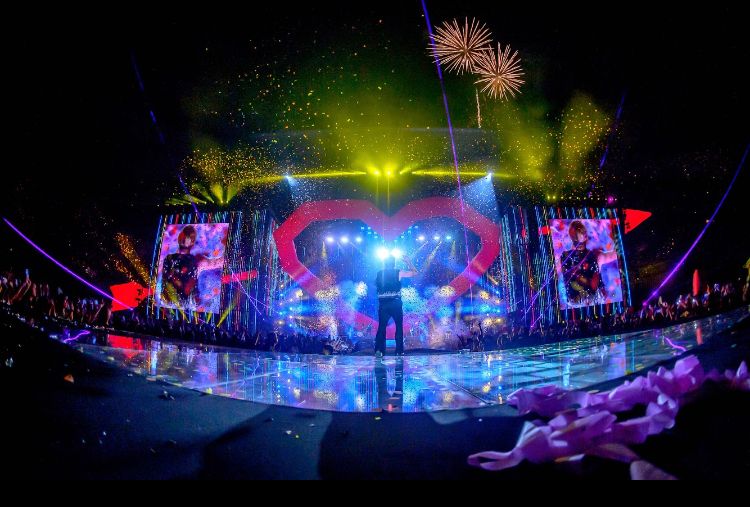
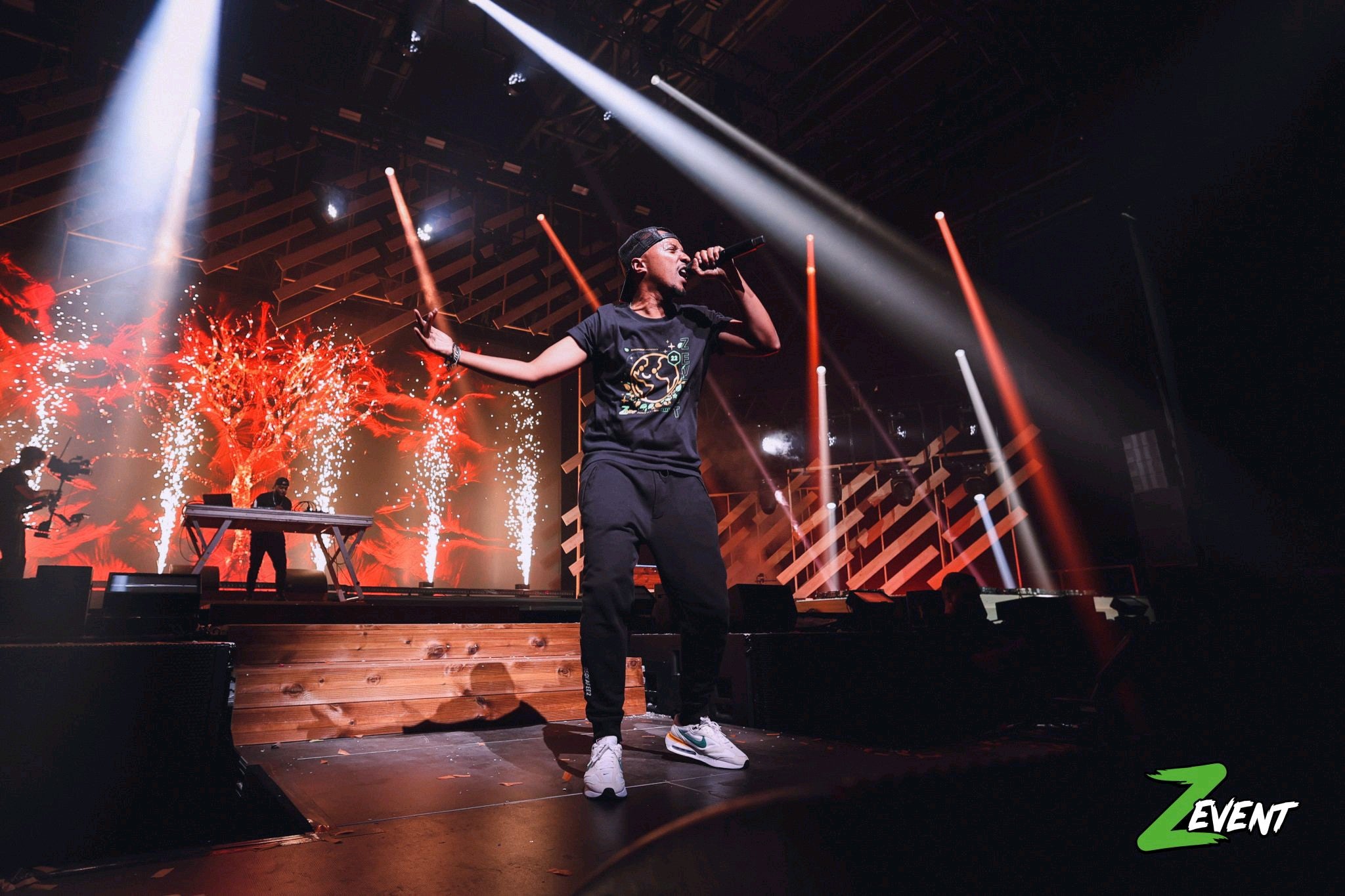
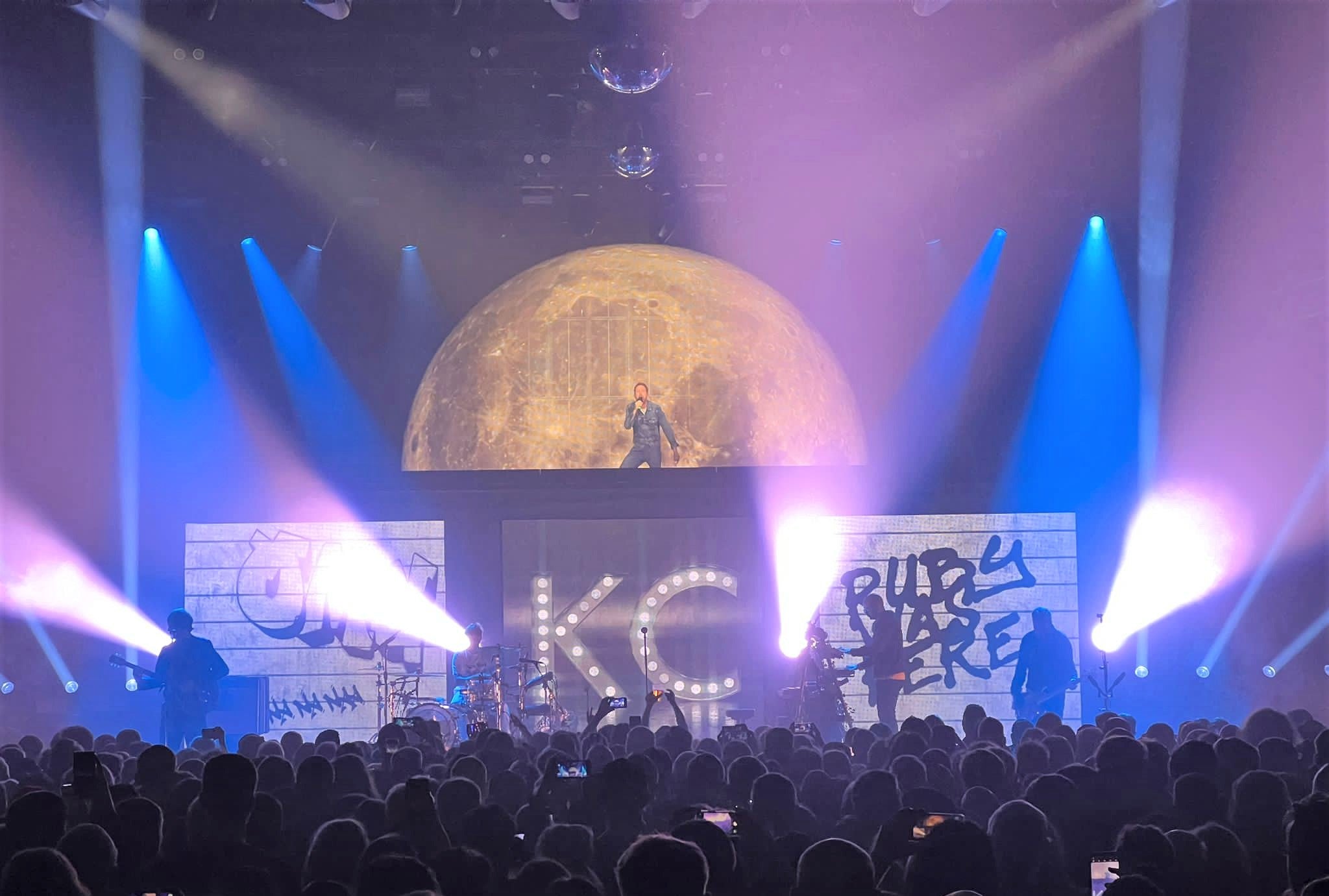
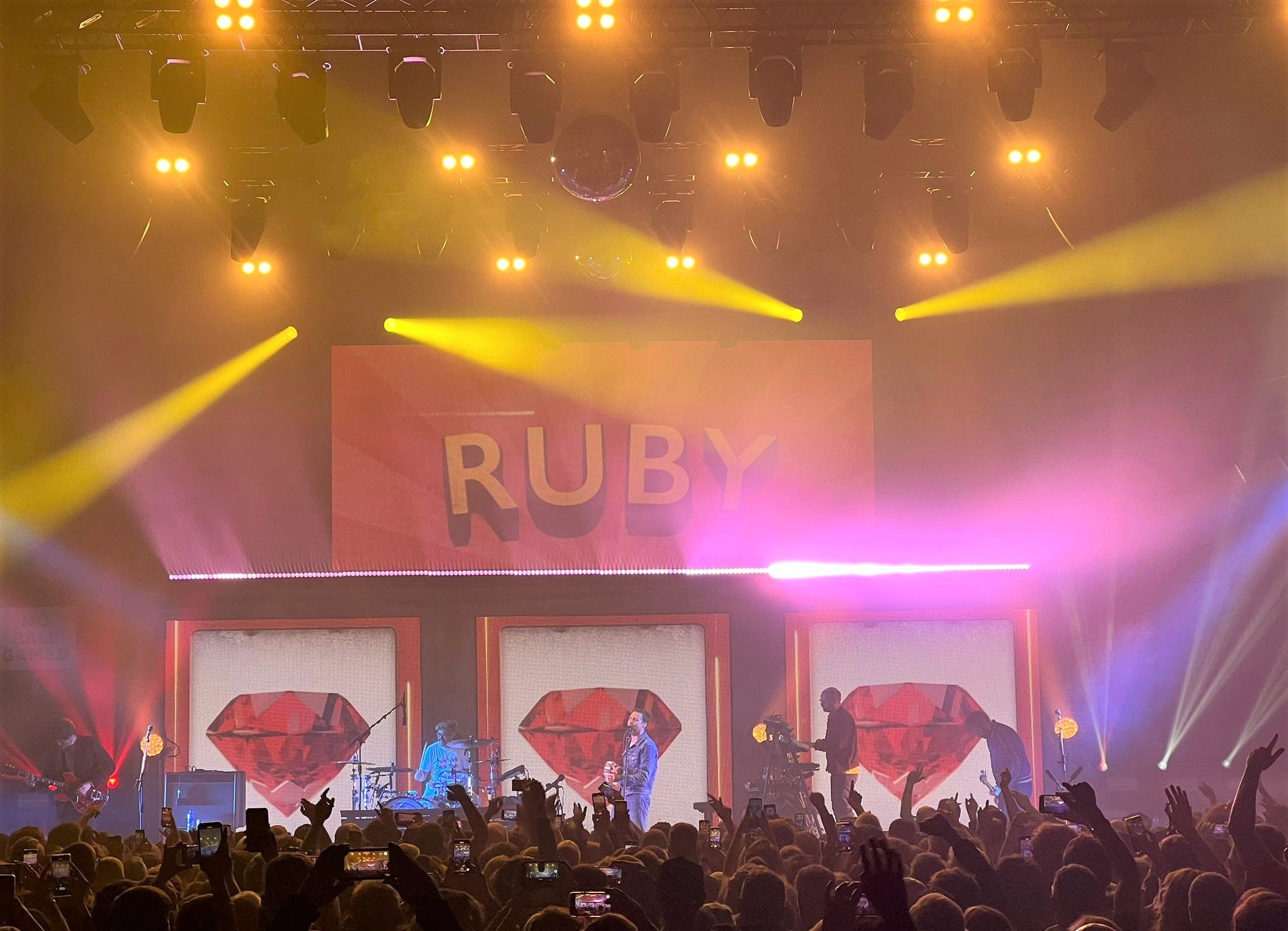
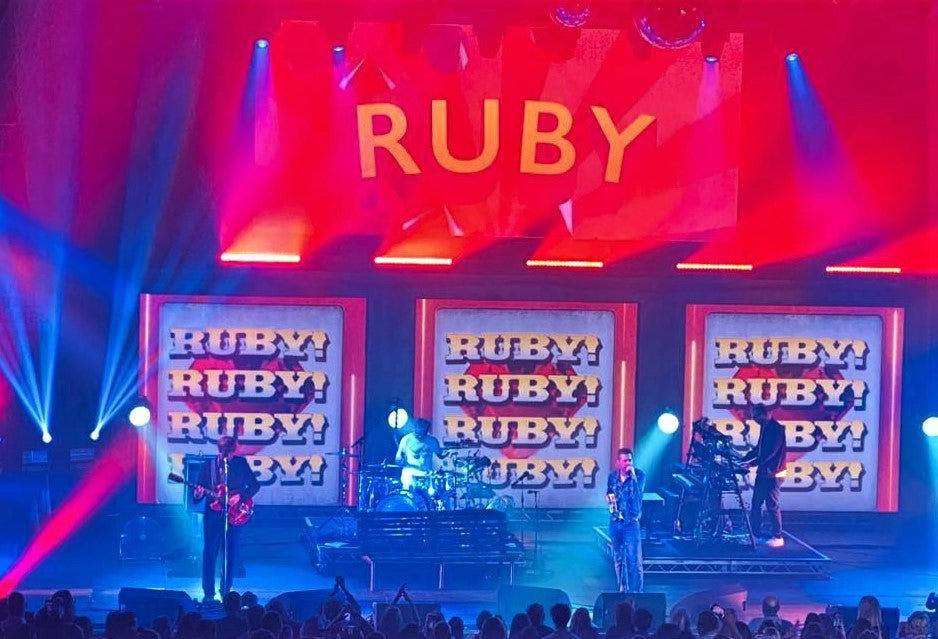
NEW YORK – Ed Warren has experienced many special times in his career as a lighting designer and programmer, including winning the 2023 TPi Lighting Designer of the Year Award… but this, he says, was “the best lighting moment of my life.”
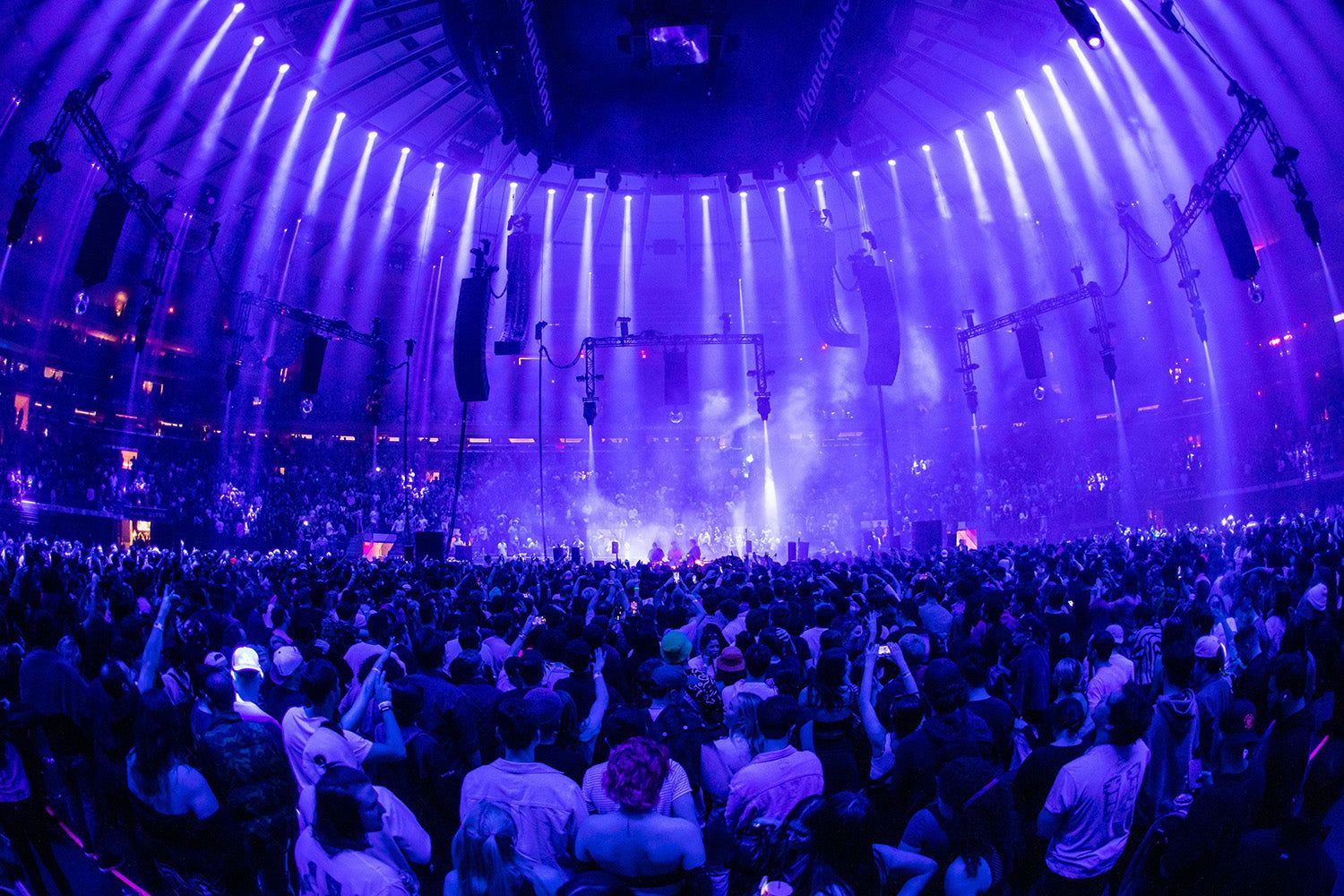
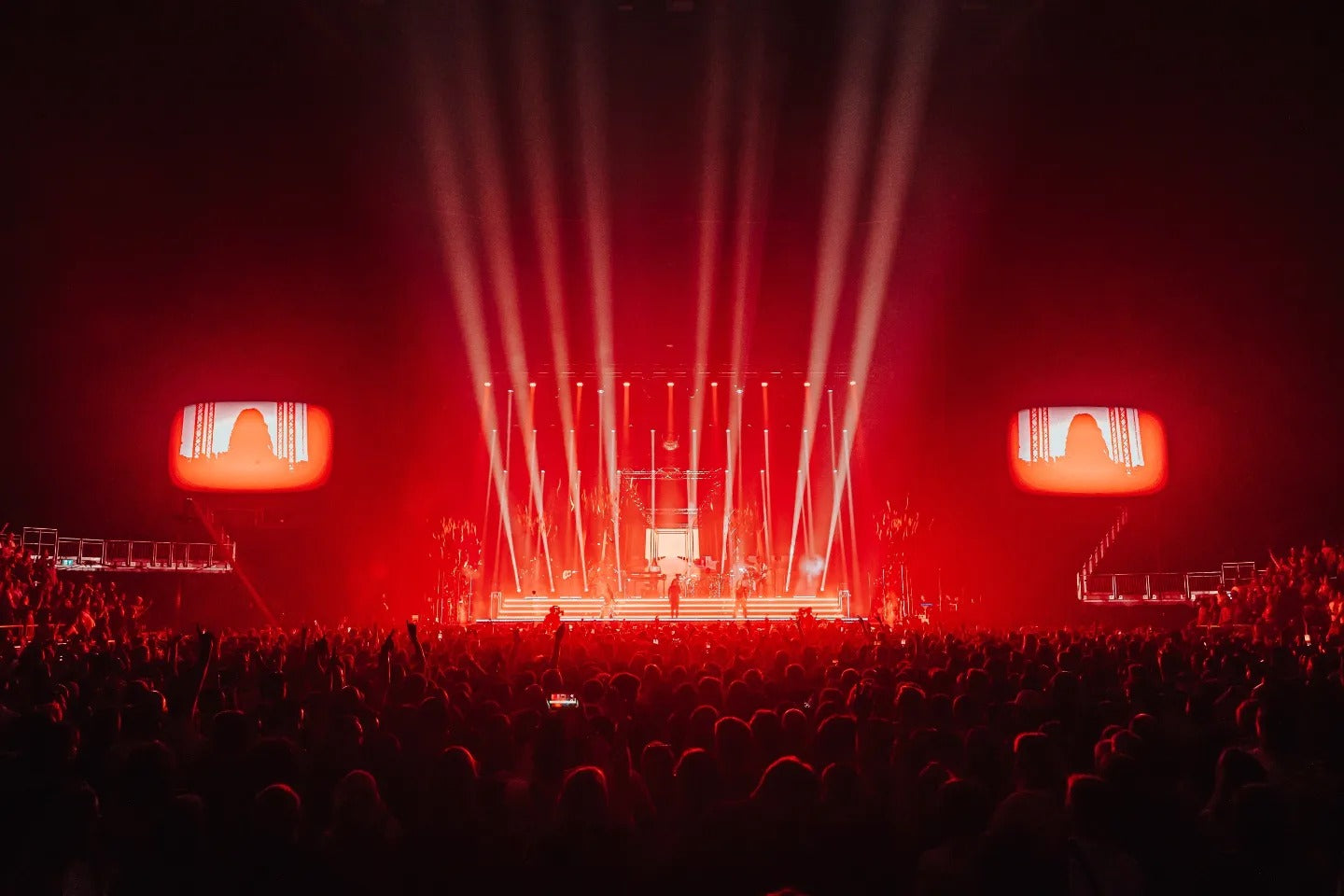
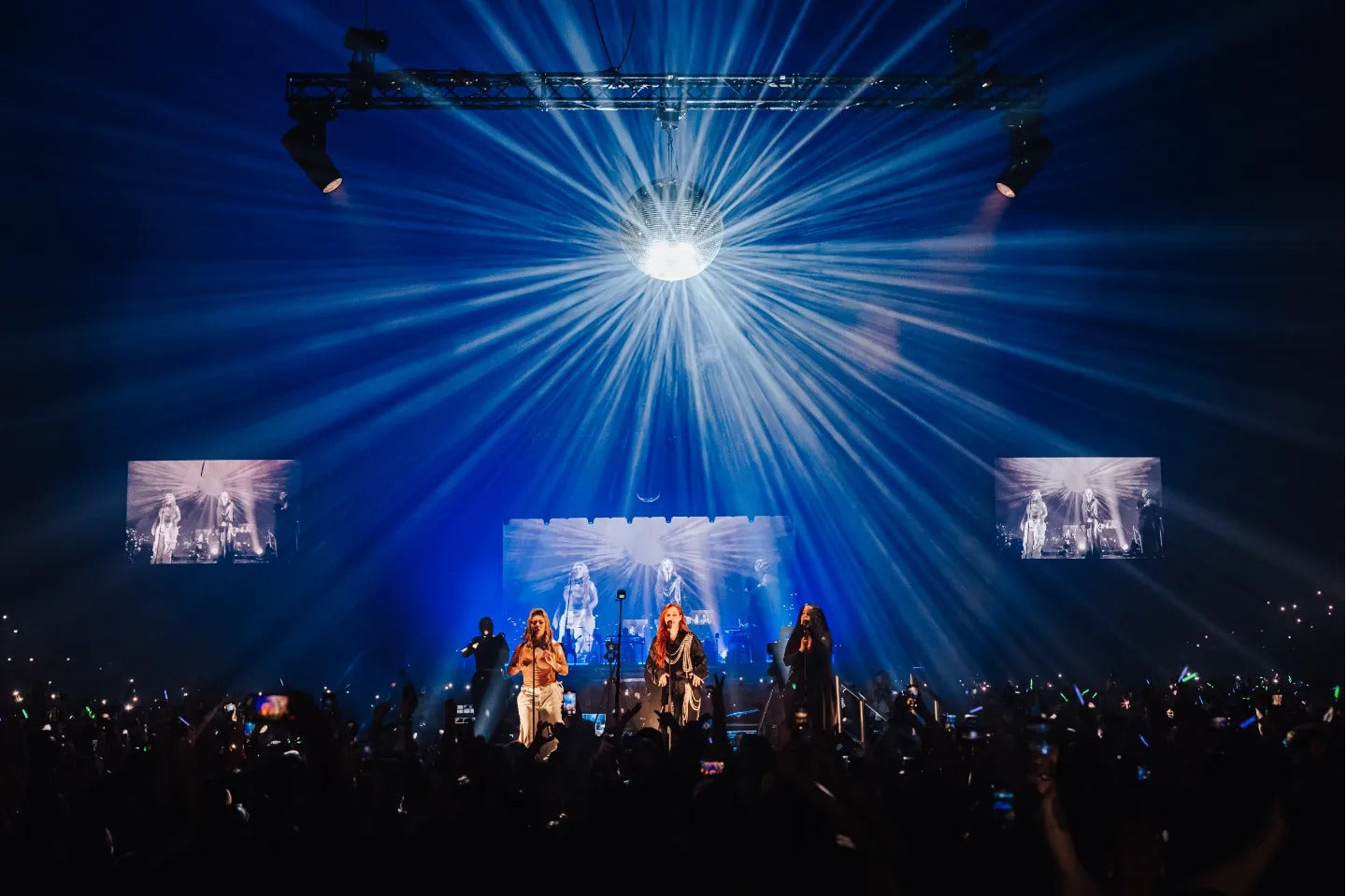
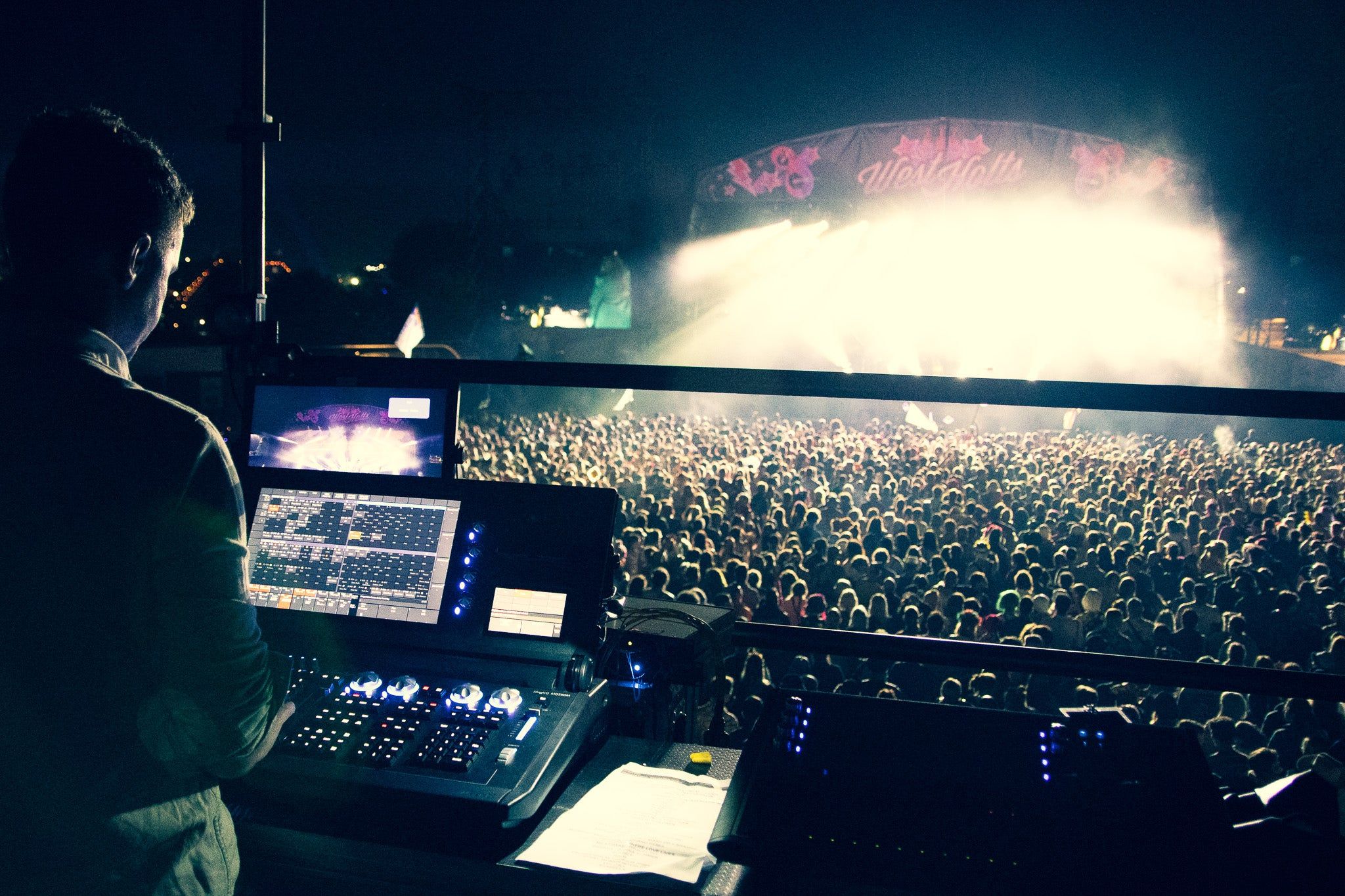
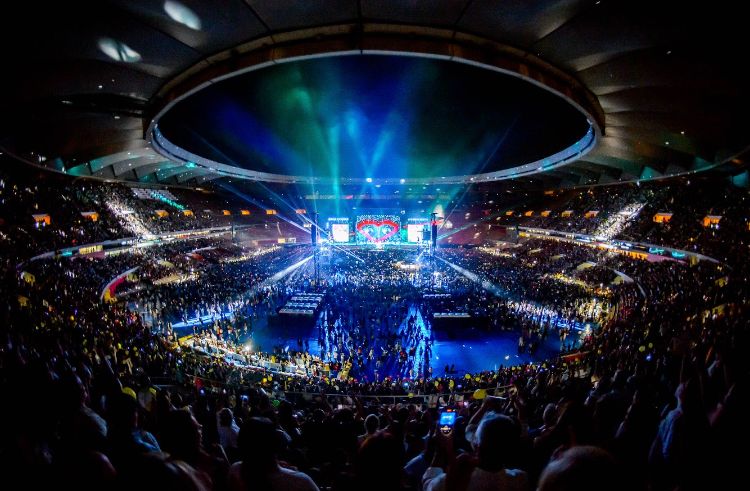
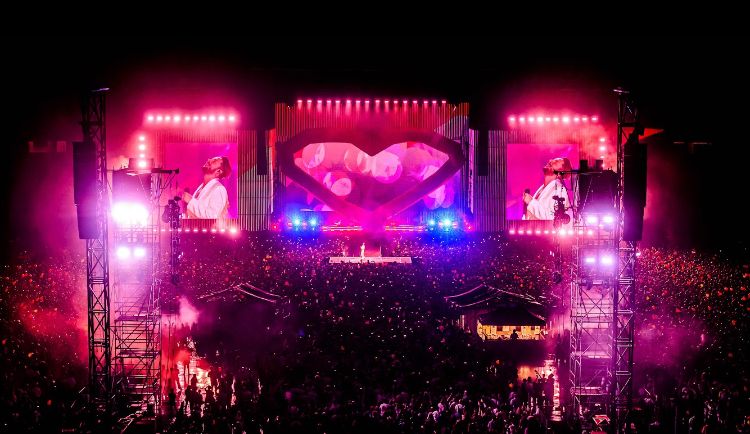
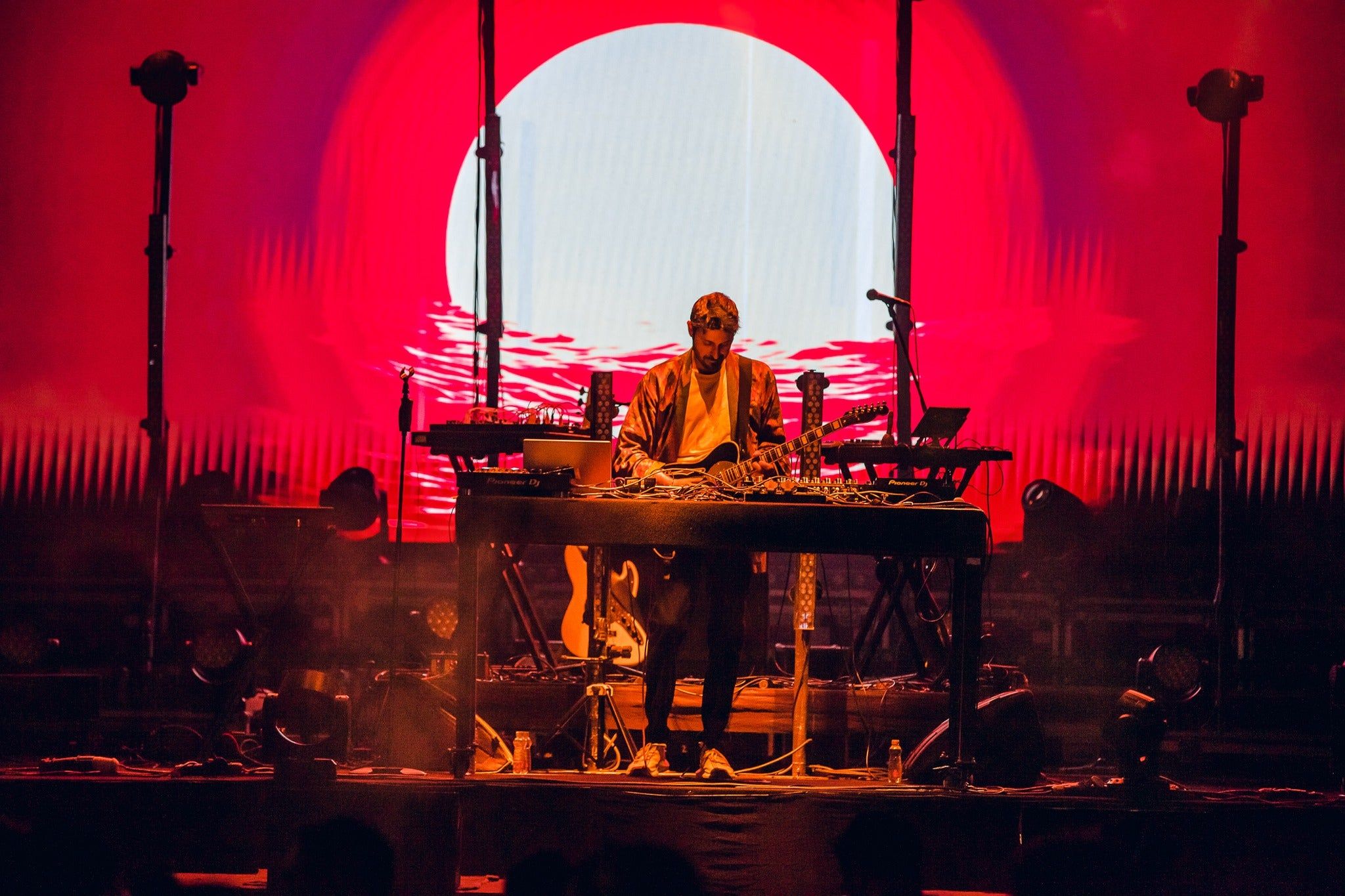
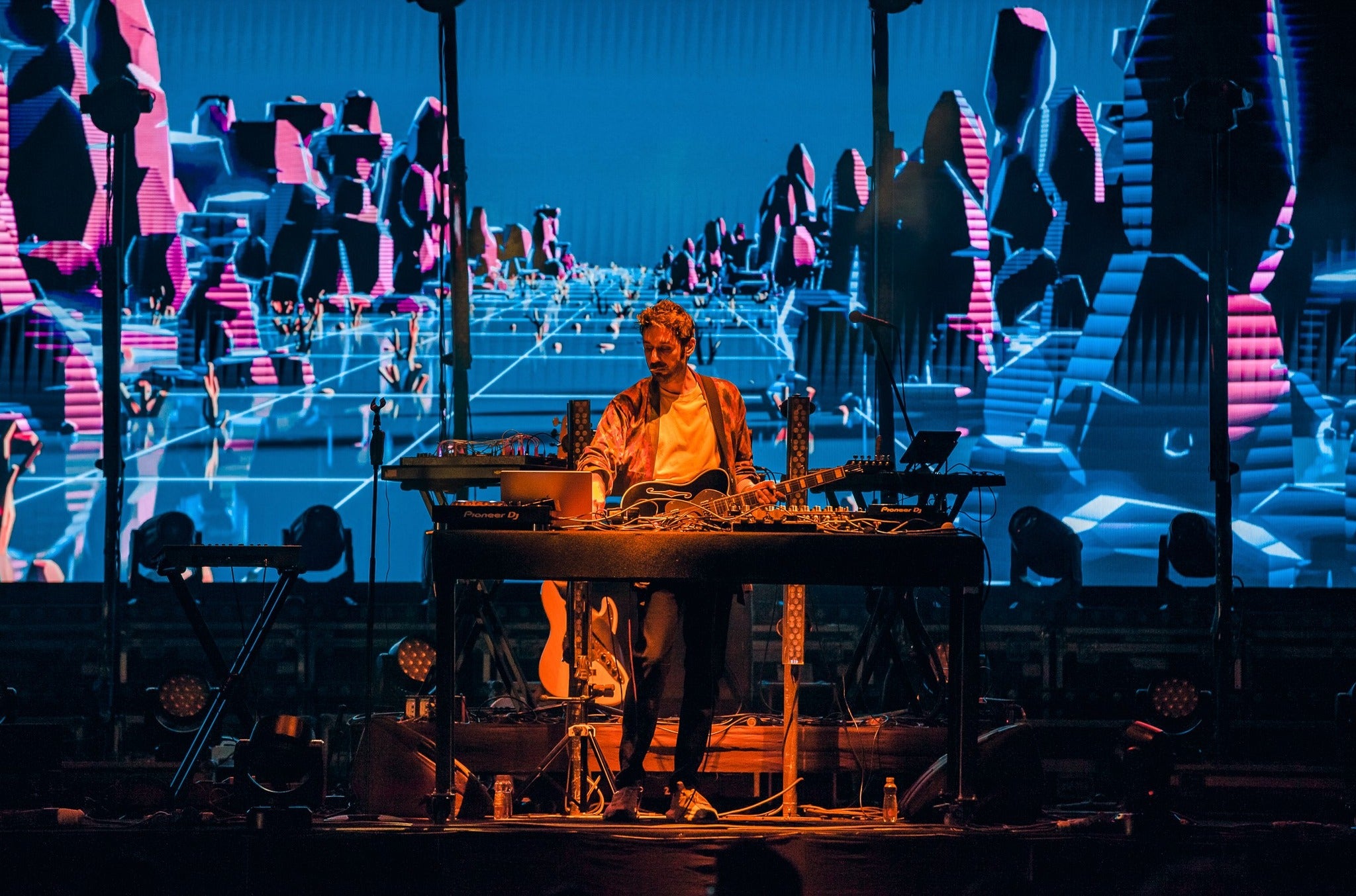
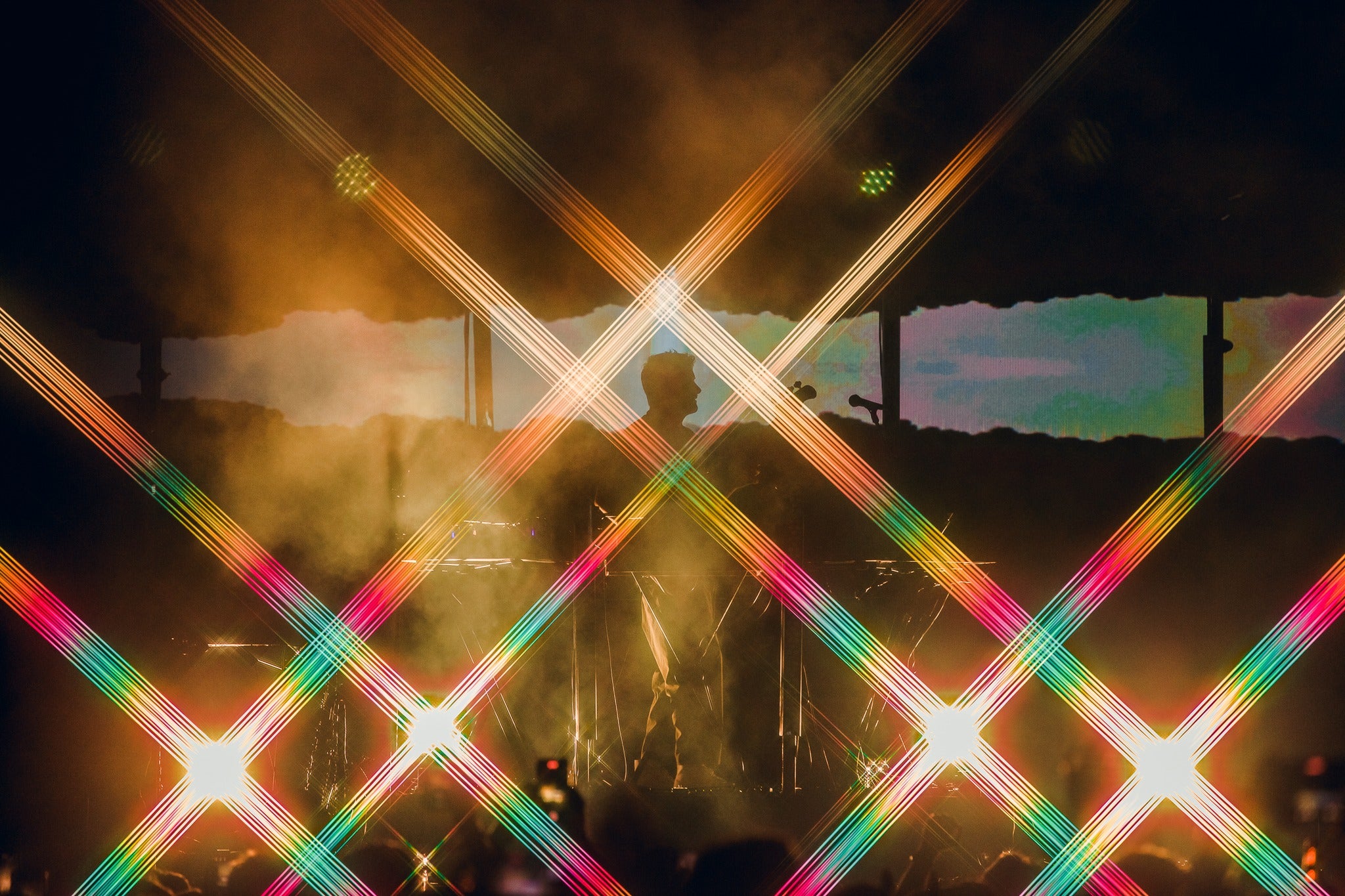
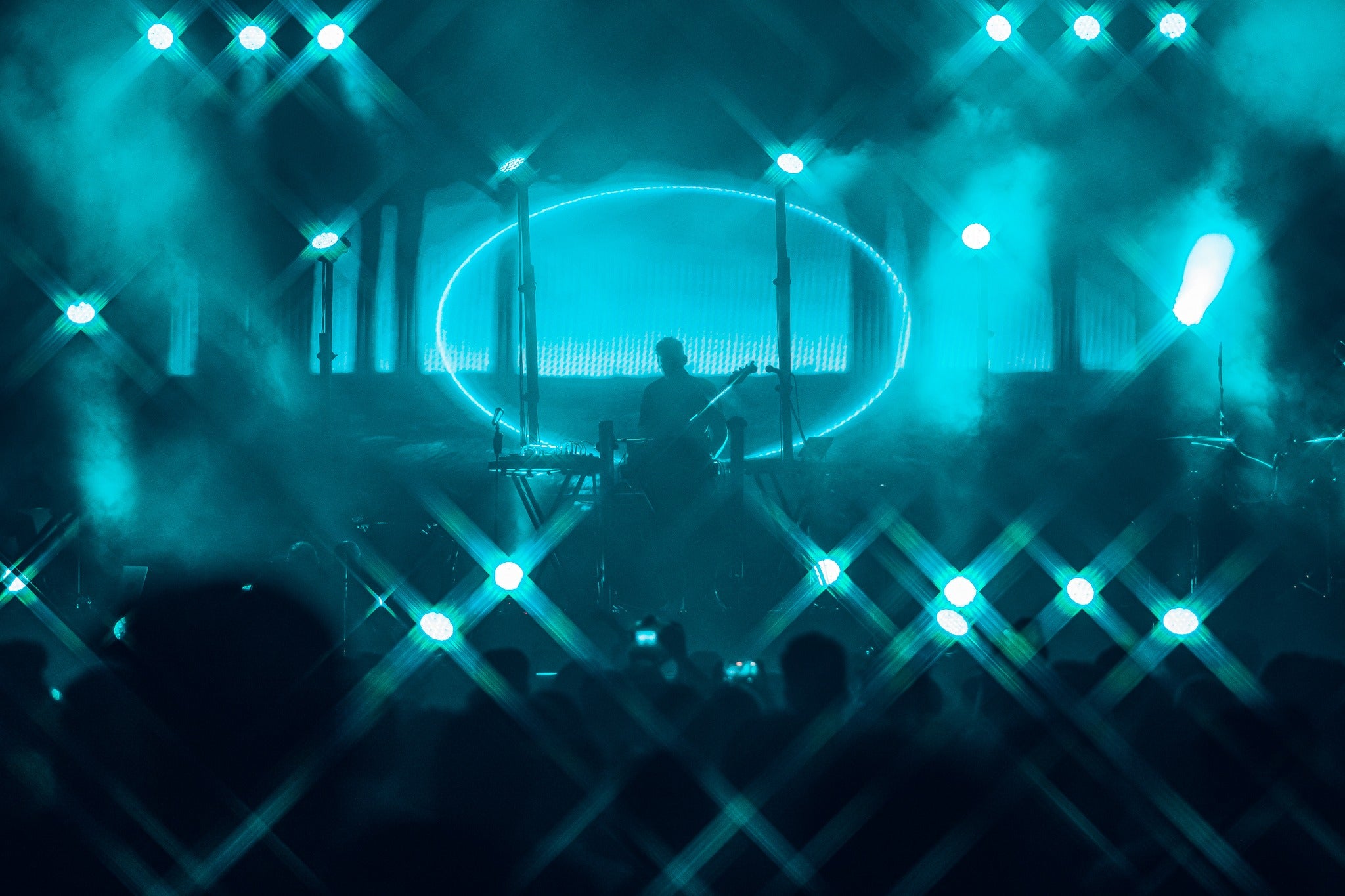
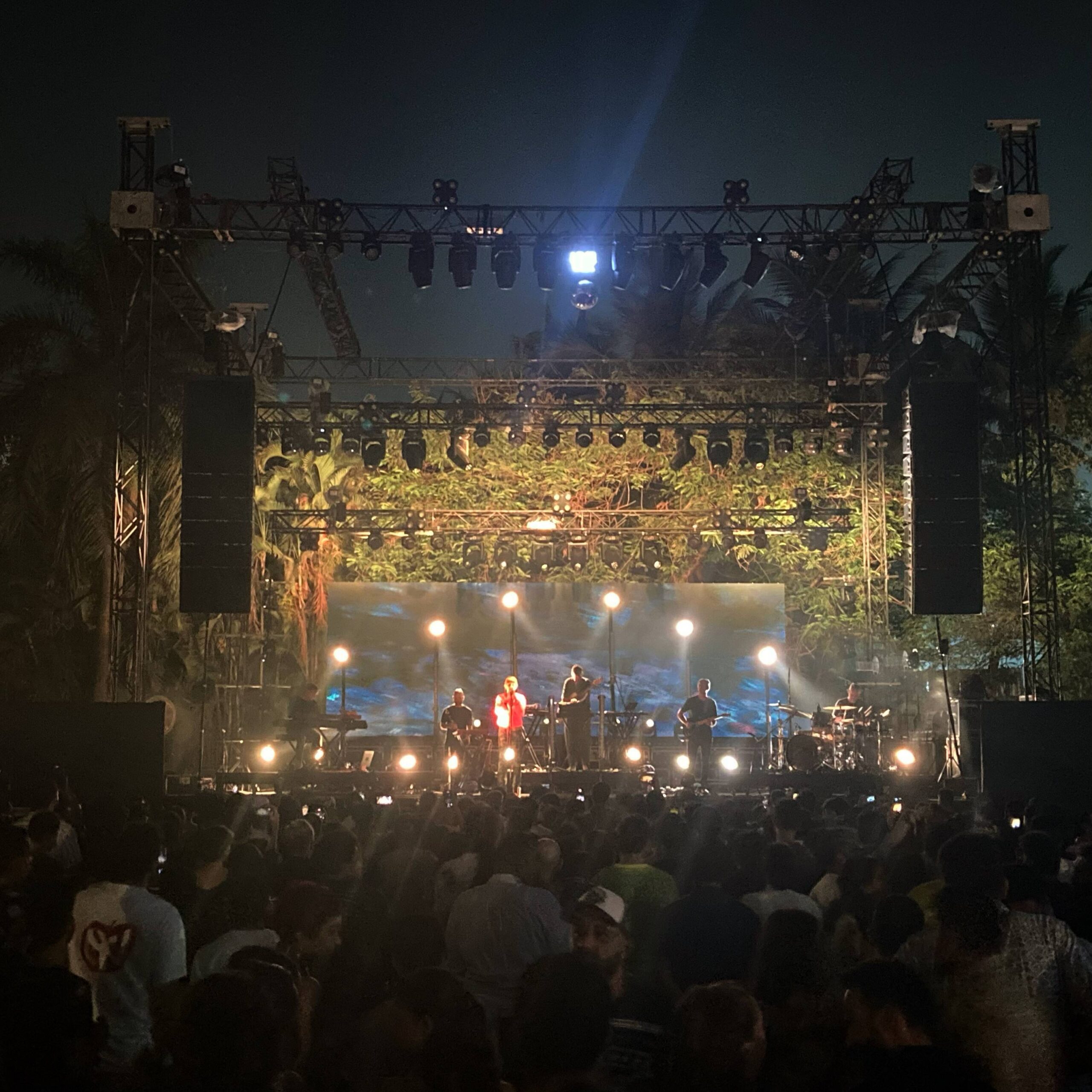
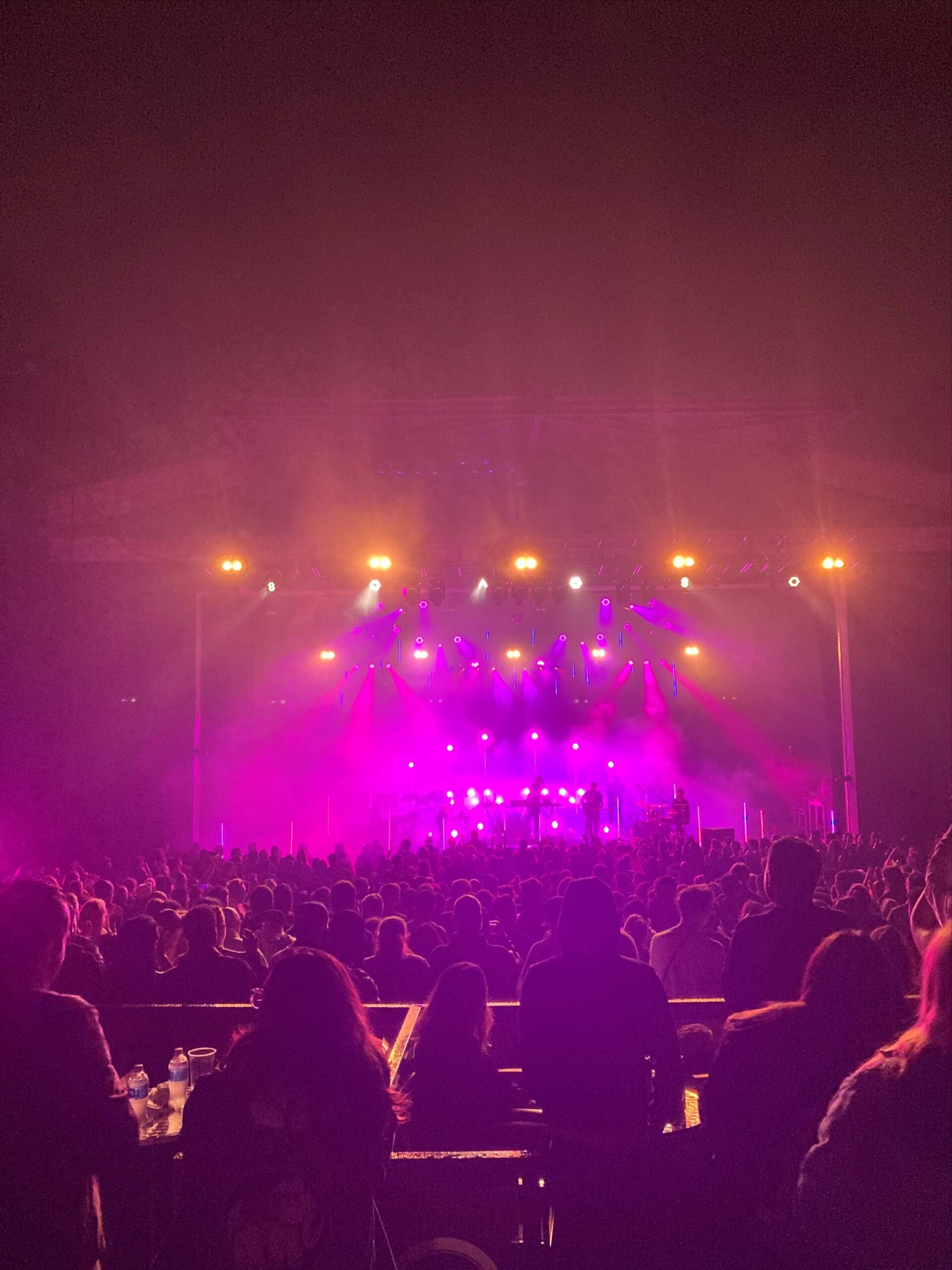
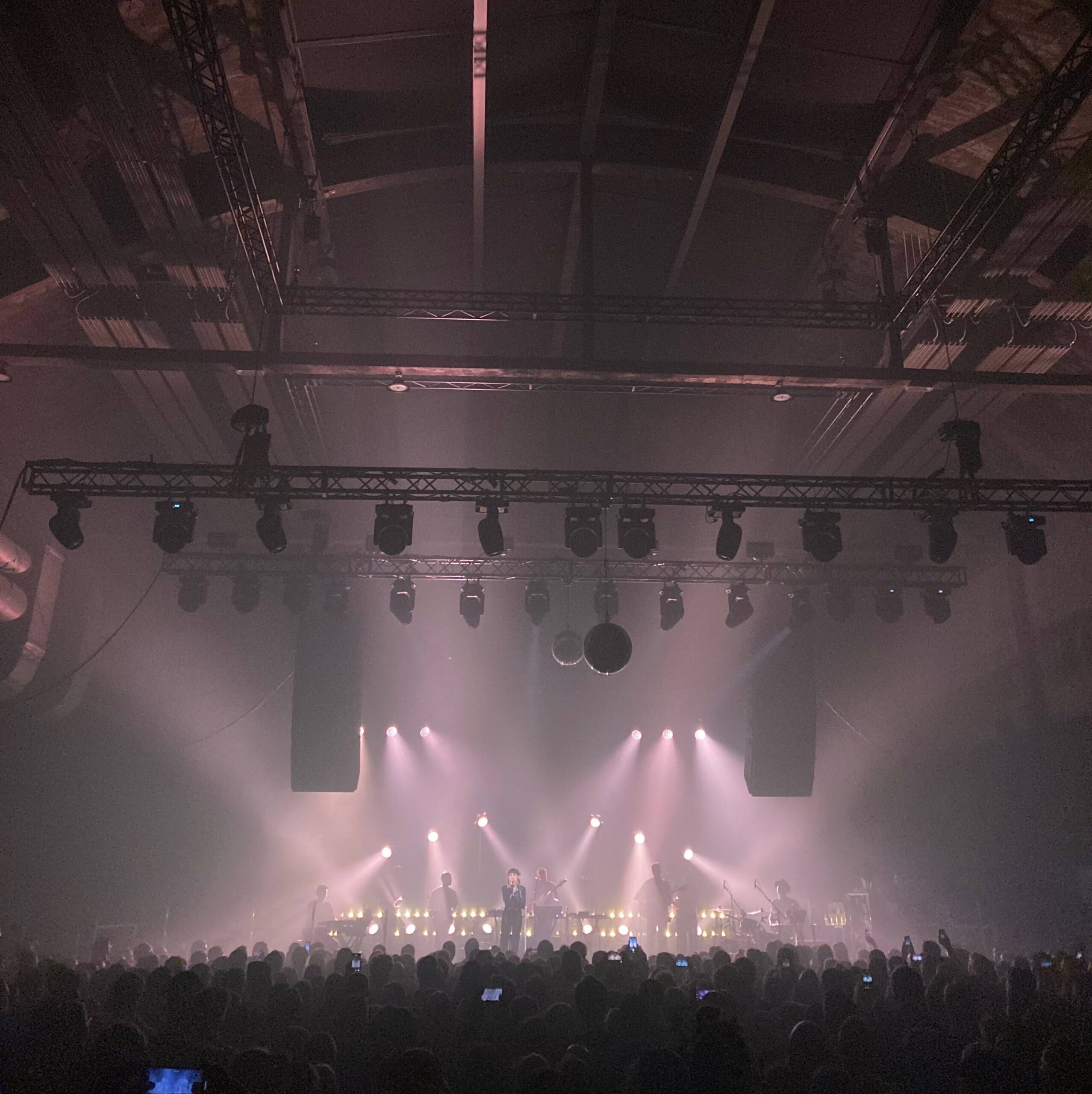
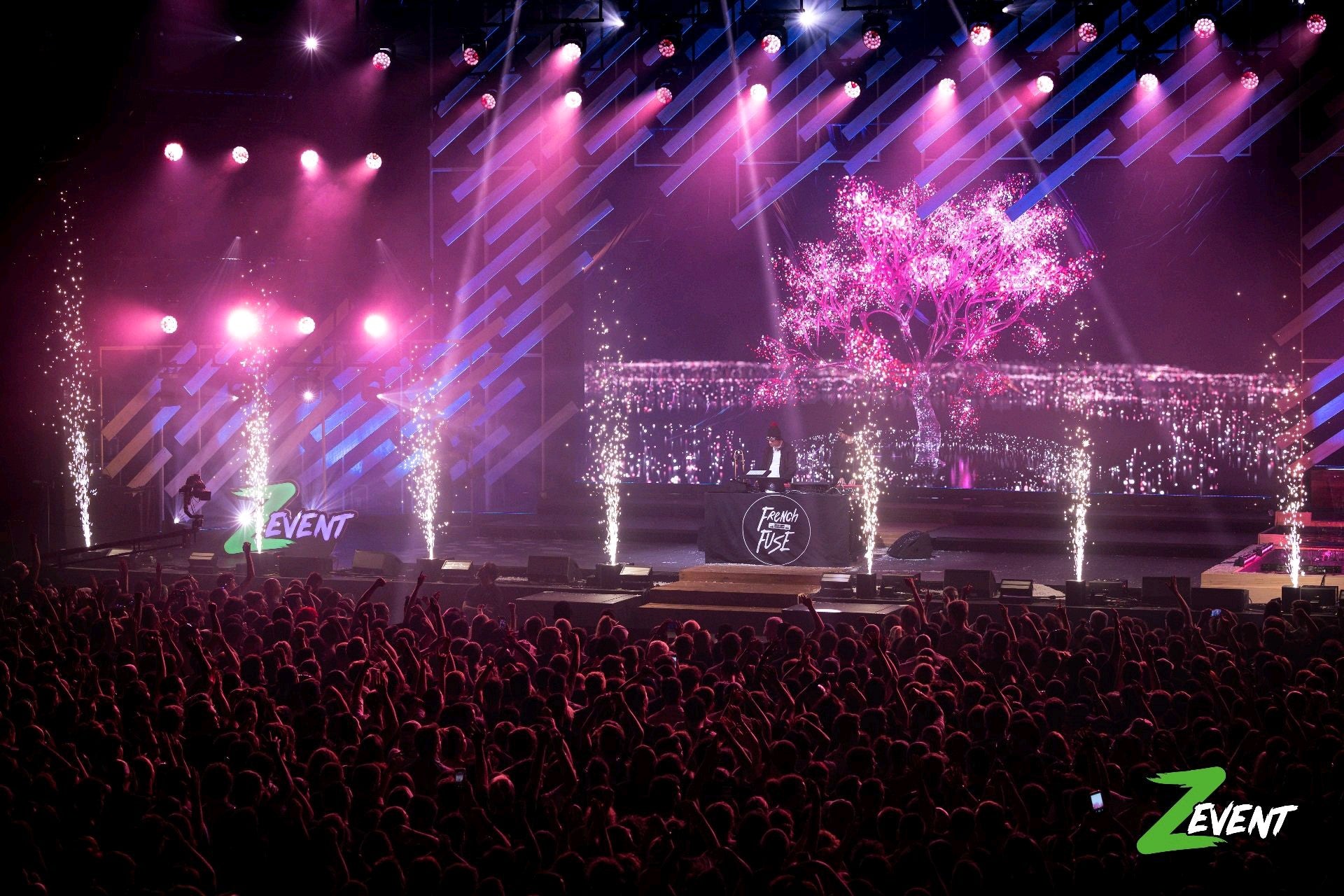
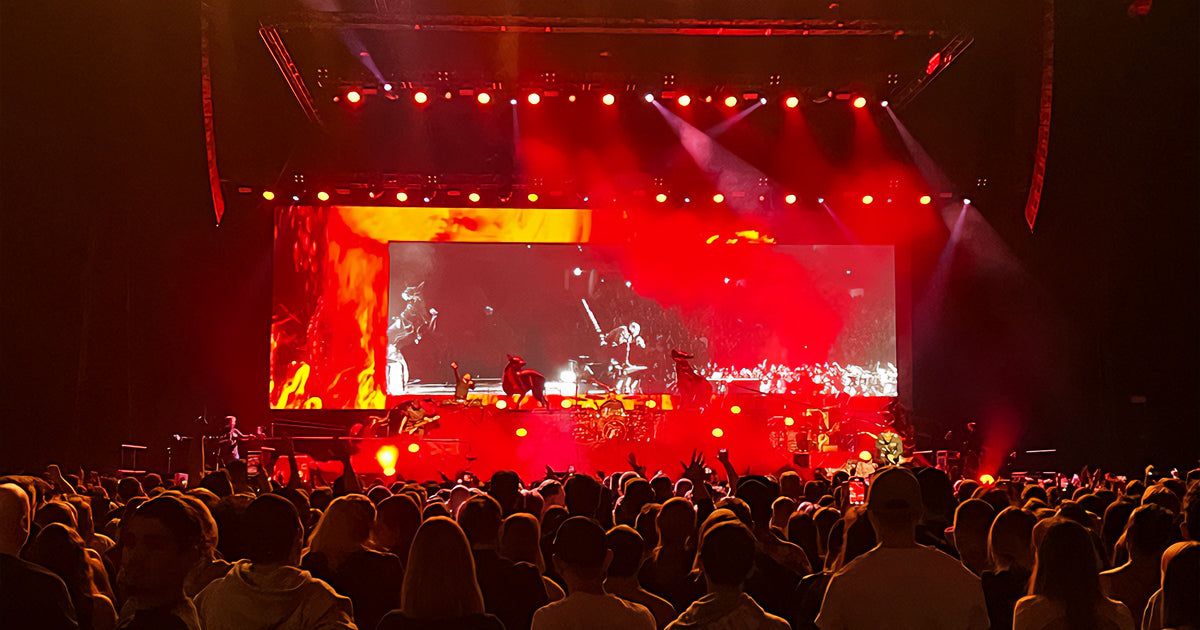
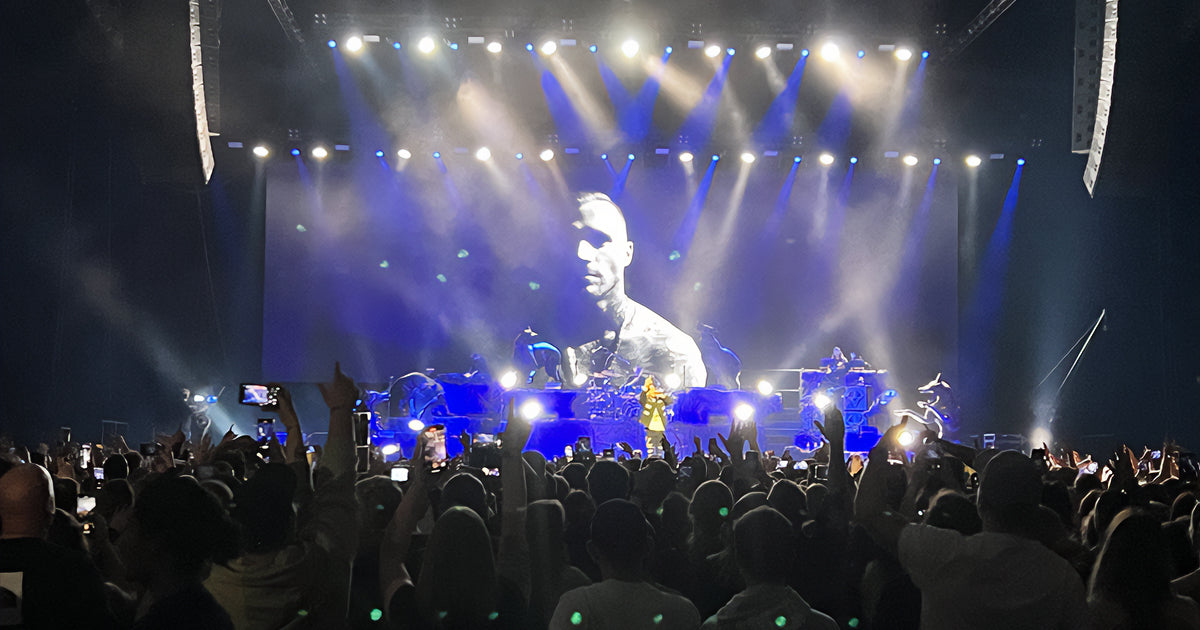
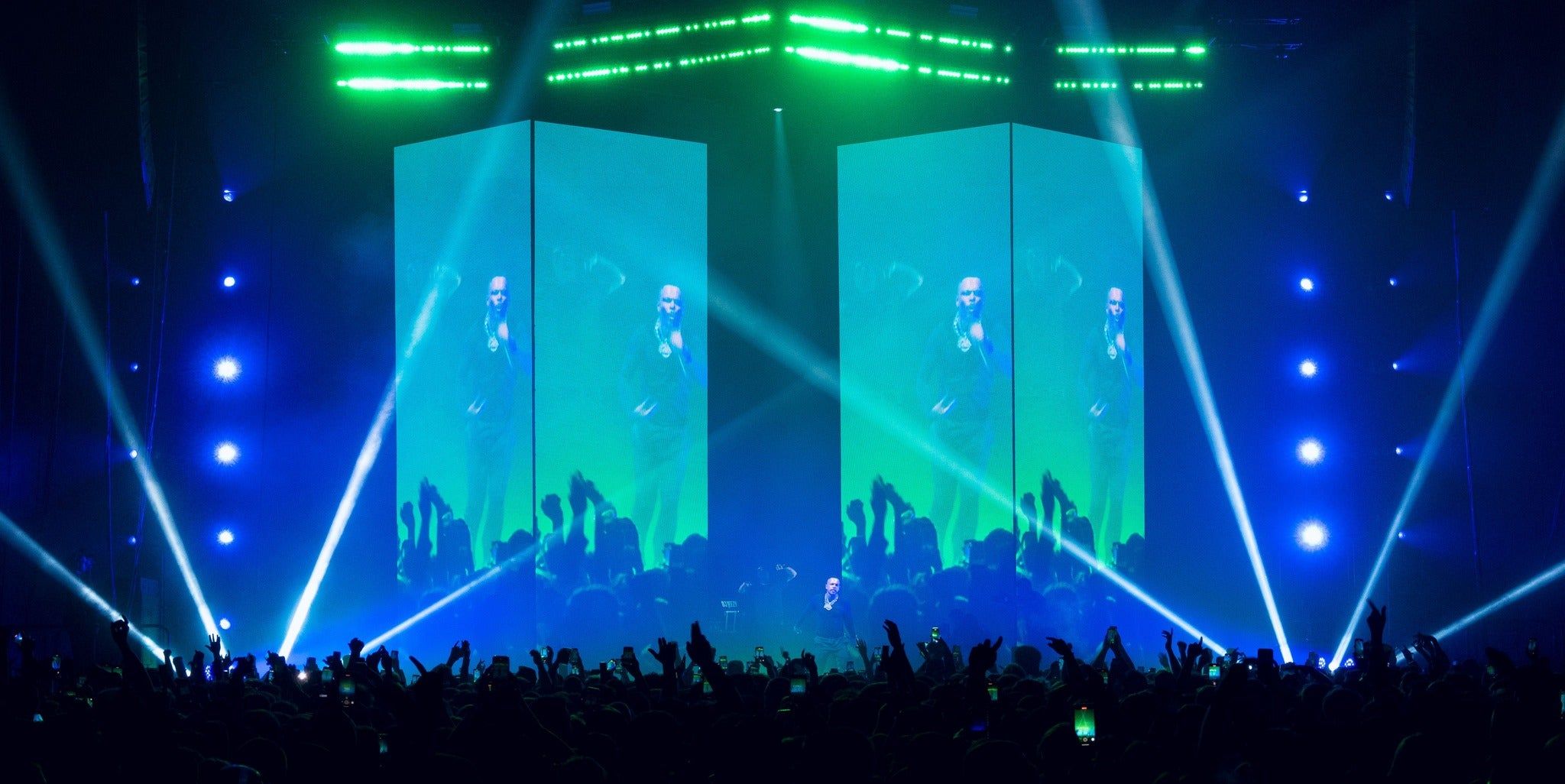
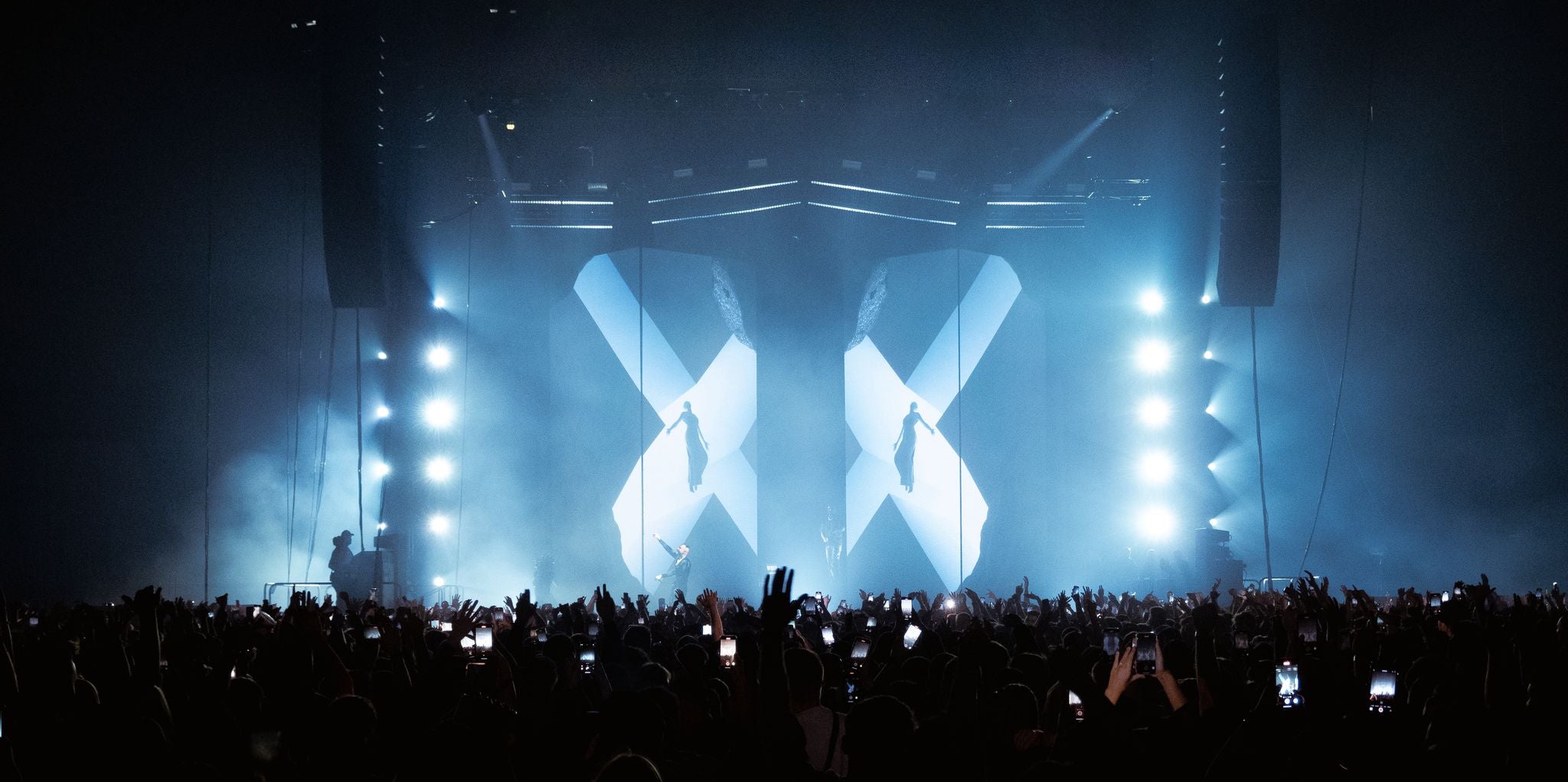
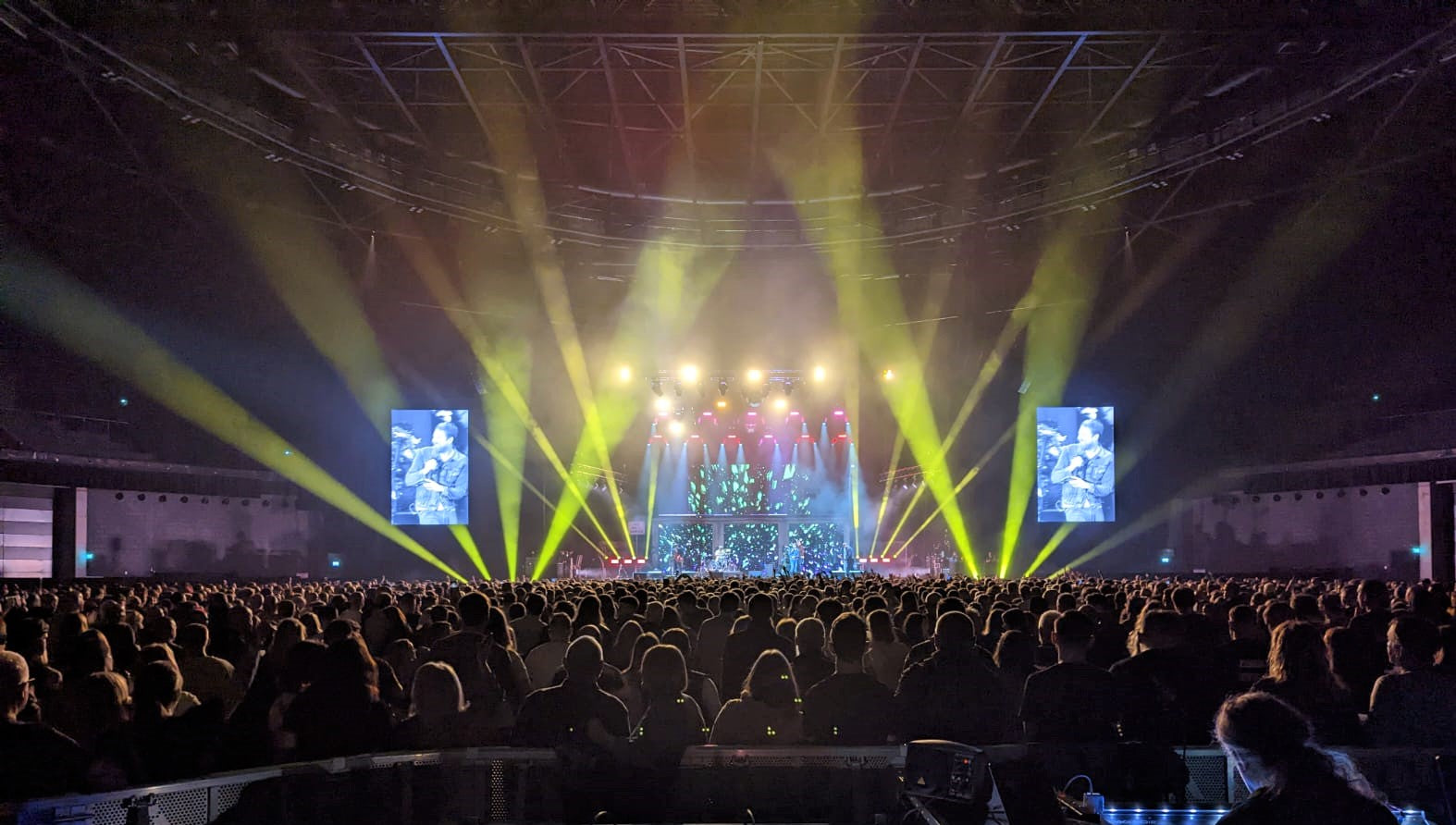
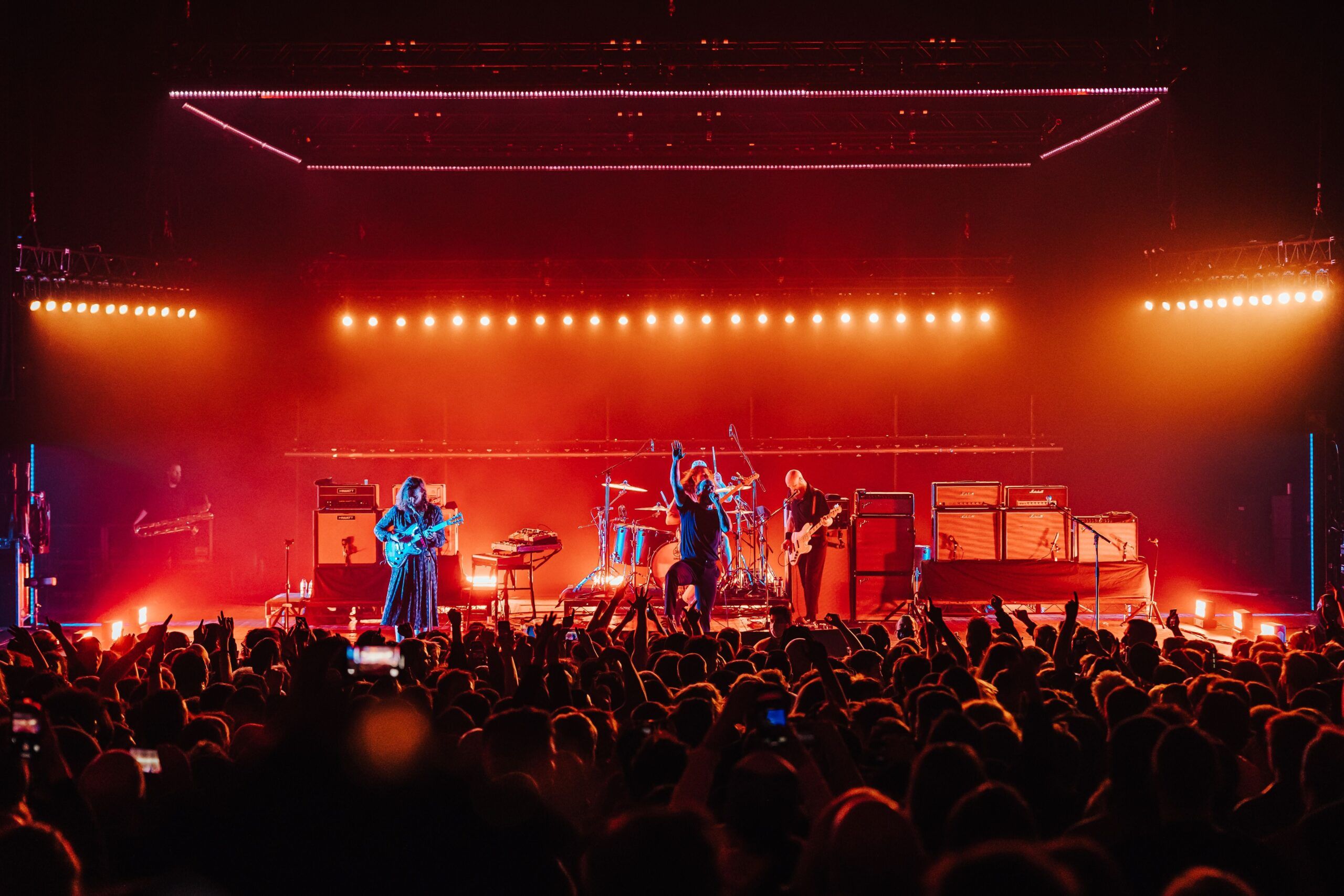
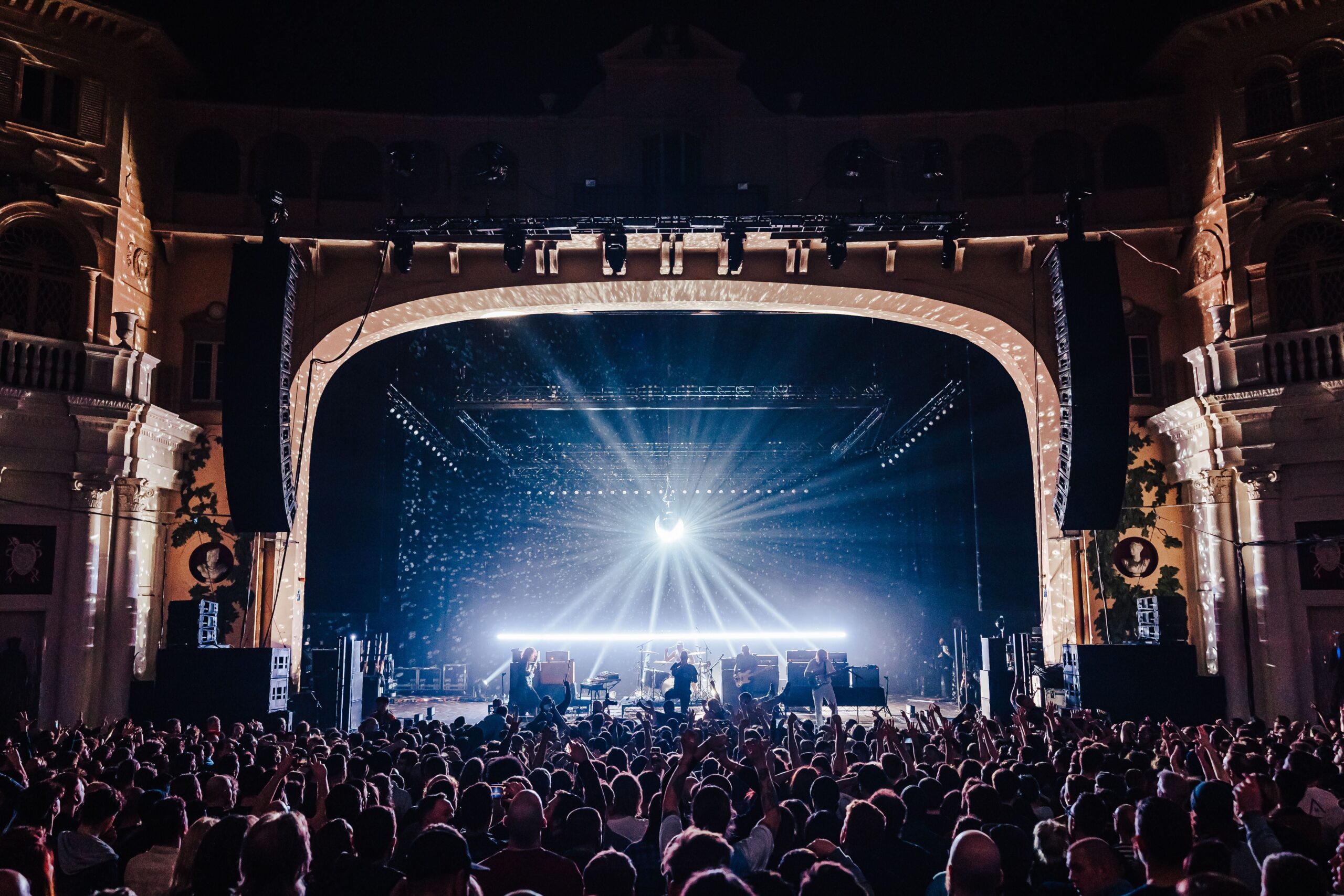
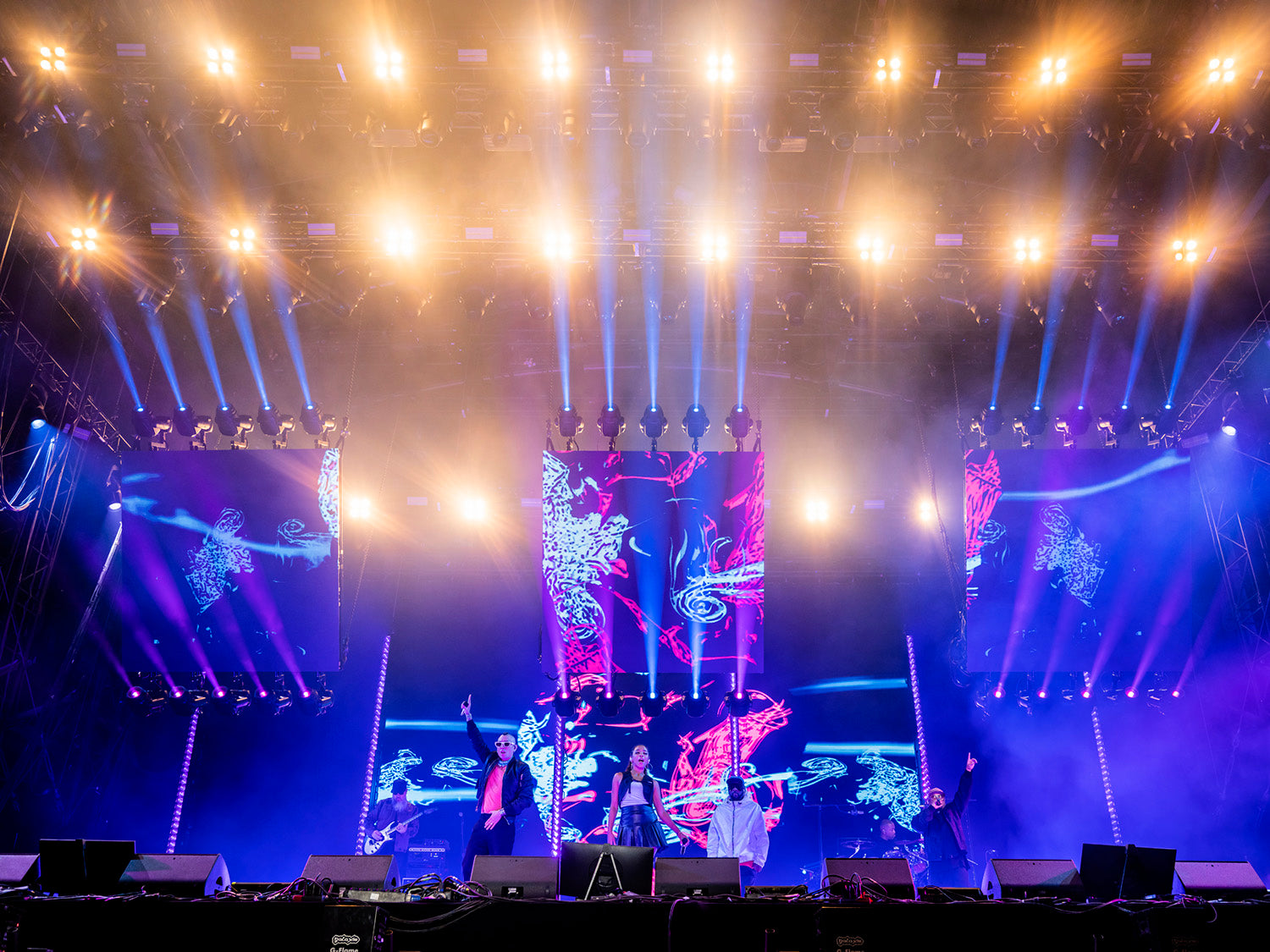
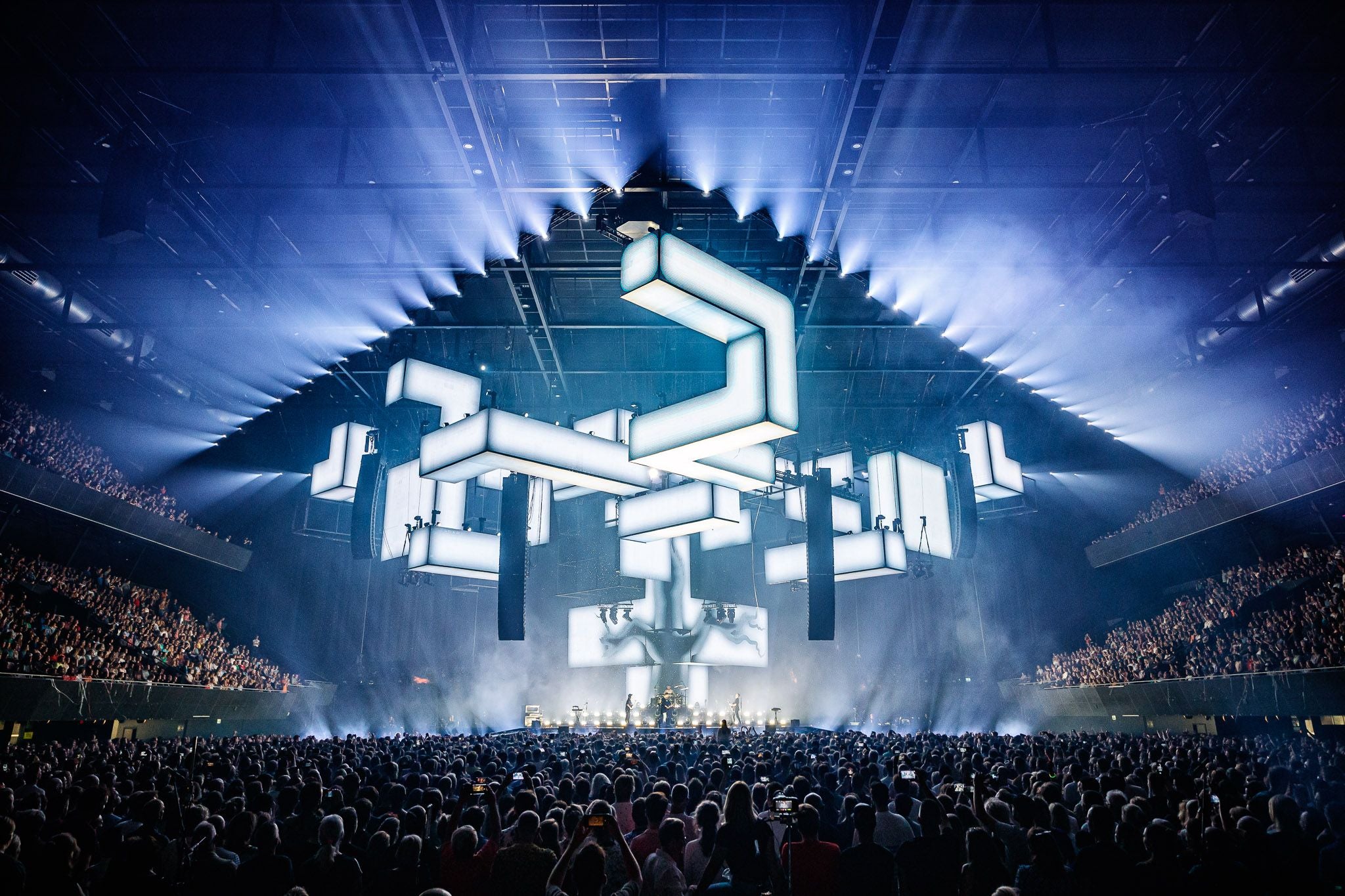
It occurred at 8:30 pm on Saturday, February 18, at the famed Madison Square Garden. The big arena was filling up with fans for the back-to-back DJing show by Four Tet, fred again.., and Skrillex , an event that had sold out in only two minutes! DJs were playing as the large crowd filed in. Then, at a prearranged signal after a huge drop, Warren used his ChamSys MagicQ MQ500 to kick up his lights and lasers as the crowd, encouraged by the lighting crew, simultaneously turned up their cell phone lights.
And just like that…one of the world’s biggest arenas, and arguably the most famous, suddenly erupted, and took on the air of a street rave club.
“Instantly the arena was magically transformed, and you felt a huge lift in the energy,” said Warren. “So simple, but oh so powerful!”
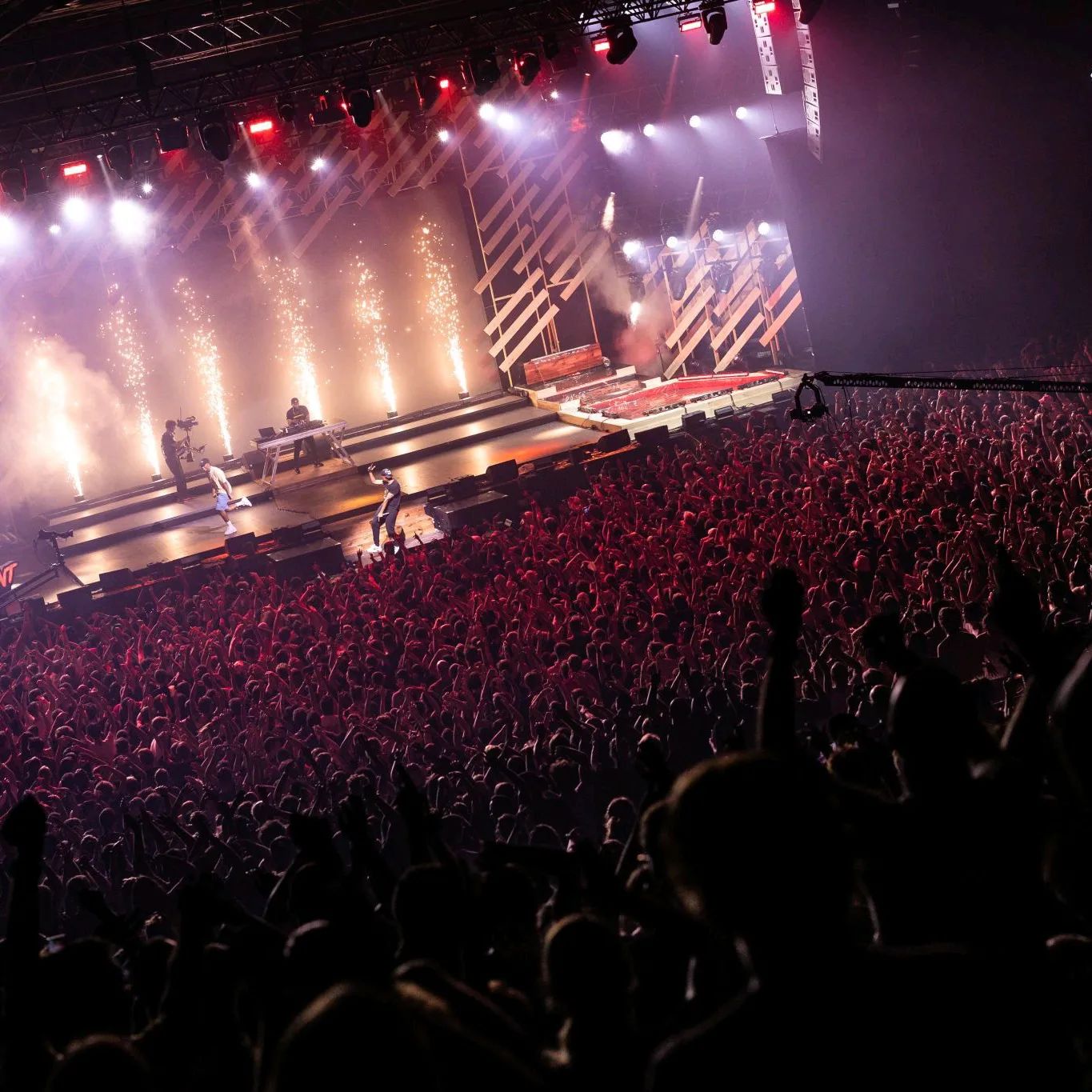
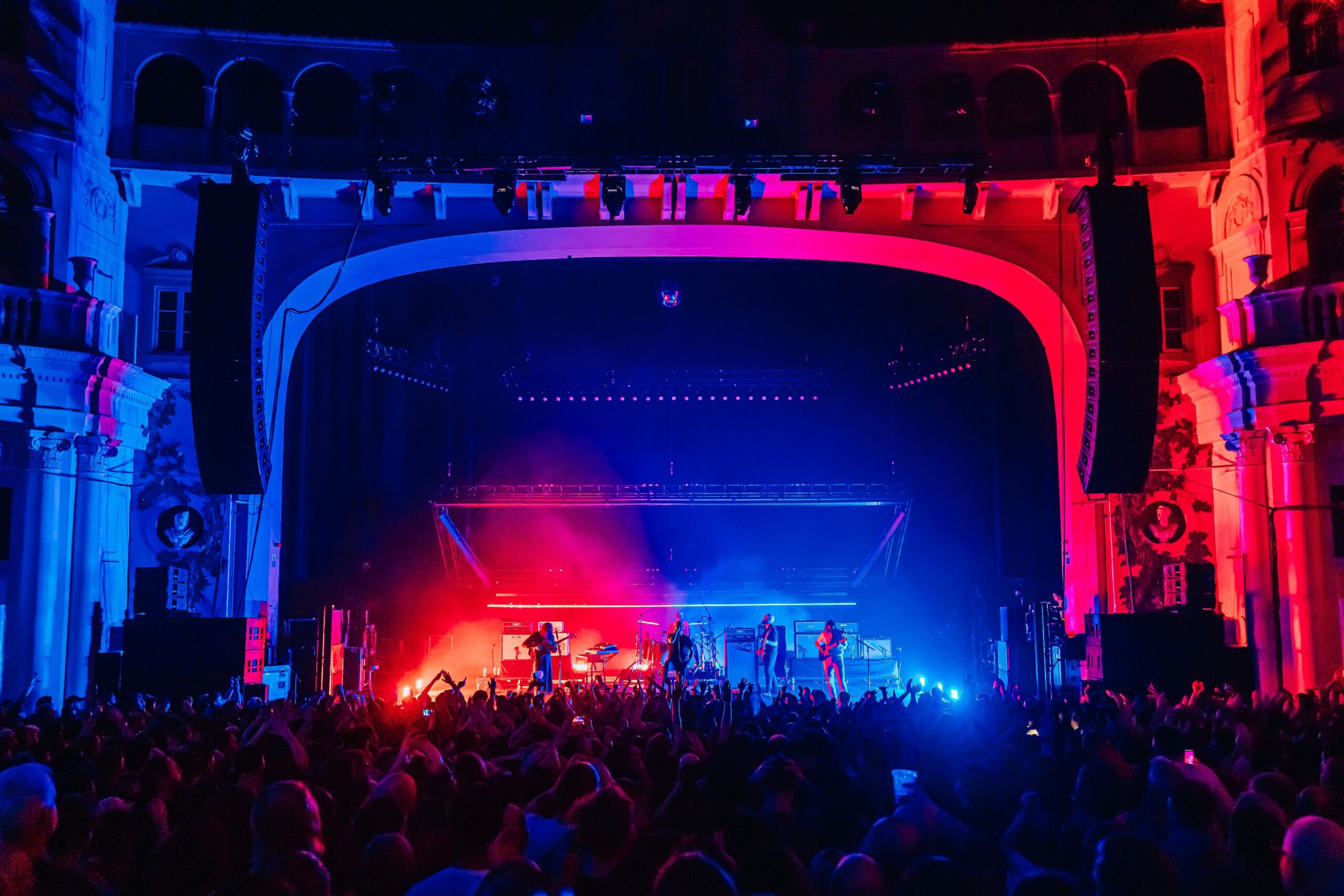
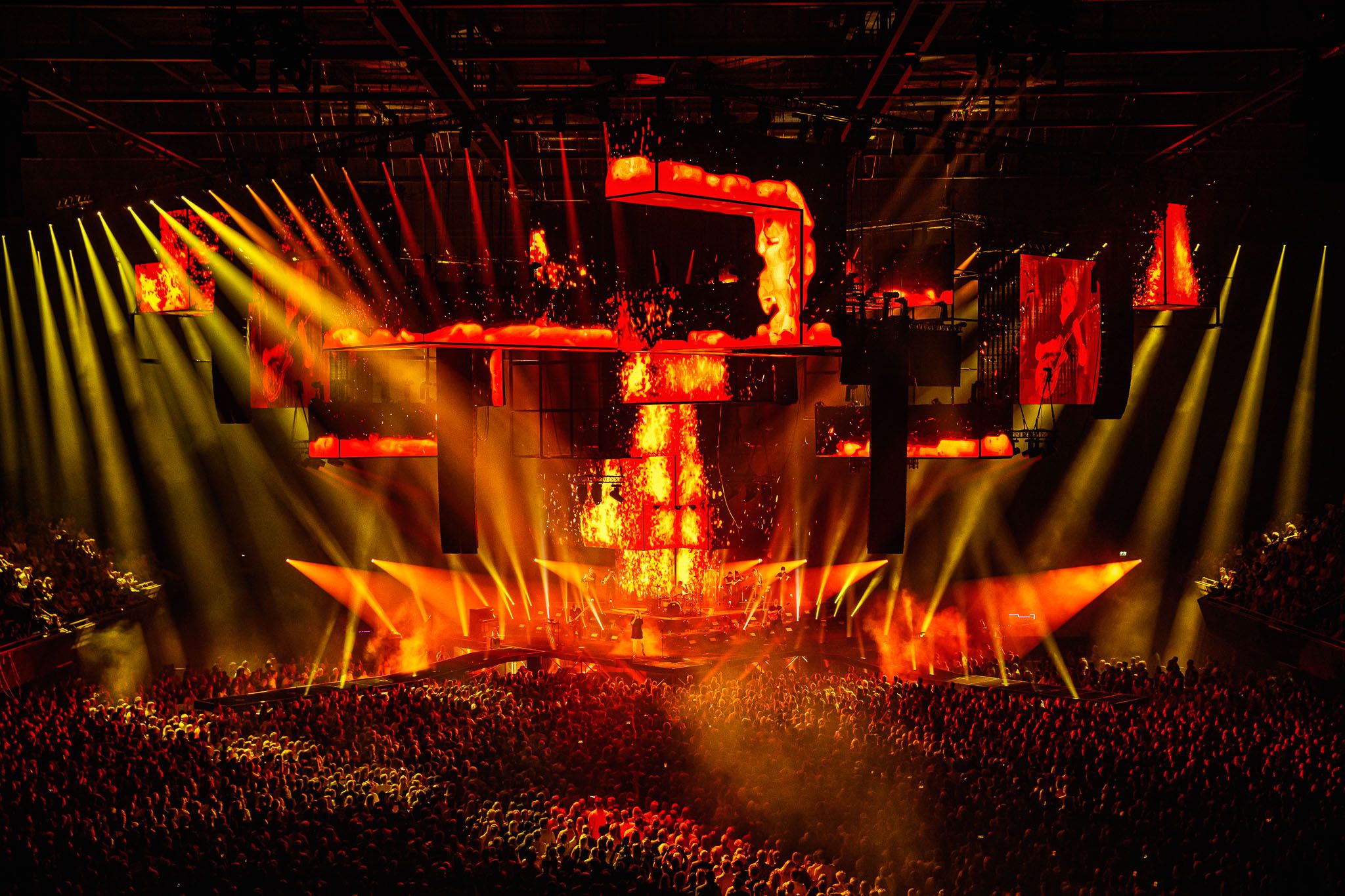
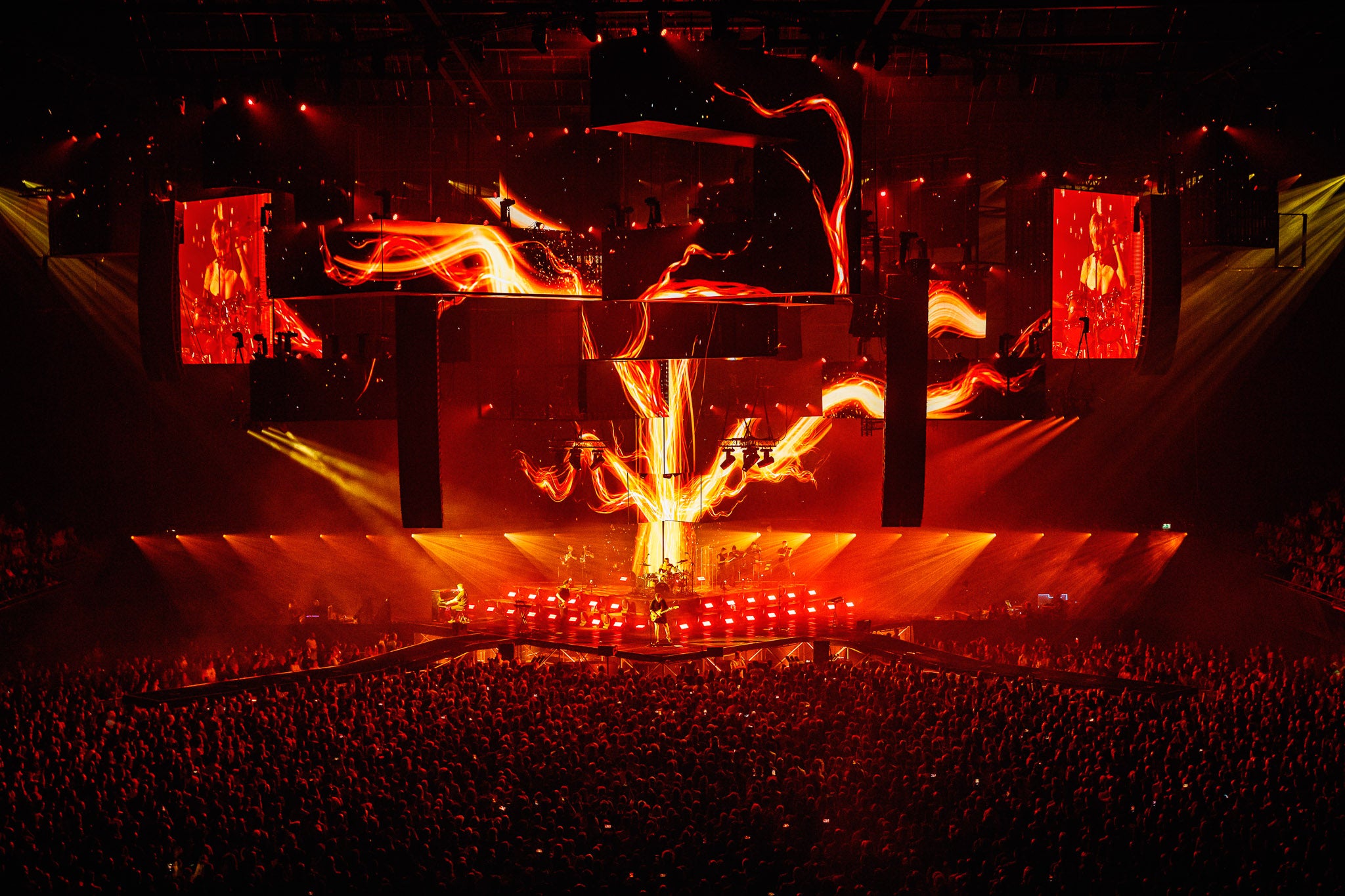
For Warren, that was just the beginning. Throughout the show, he created all-embracive looks that seemed to involve every inch of the 820,000 sq ft (76,000 m2) venue in every moment of the show.

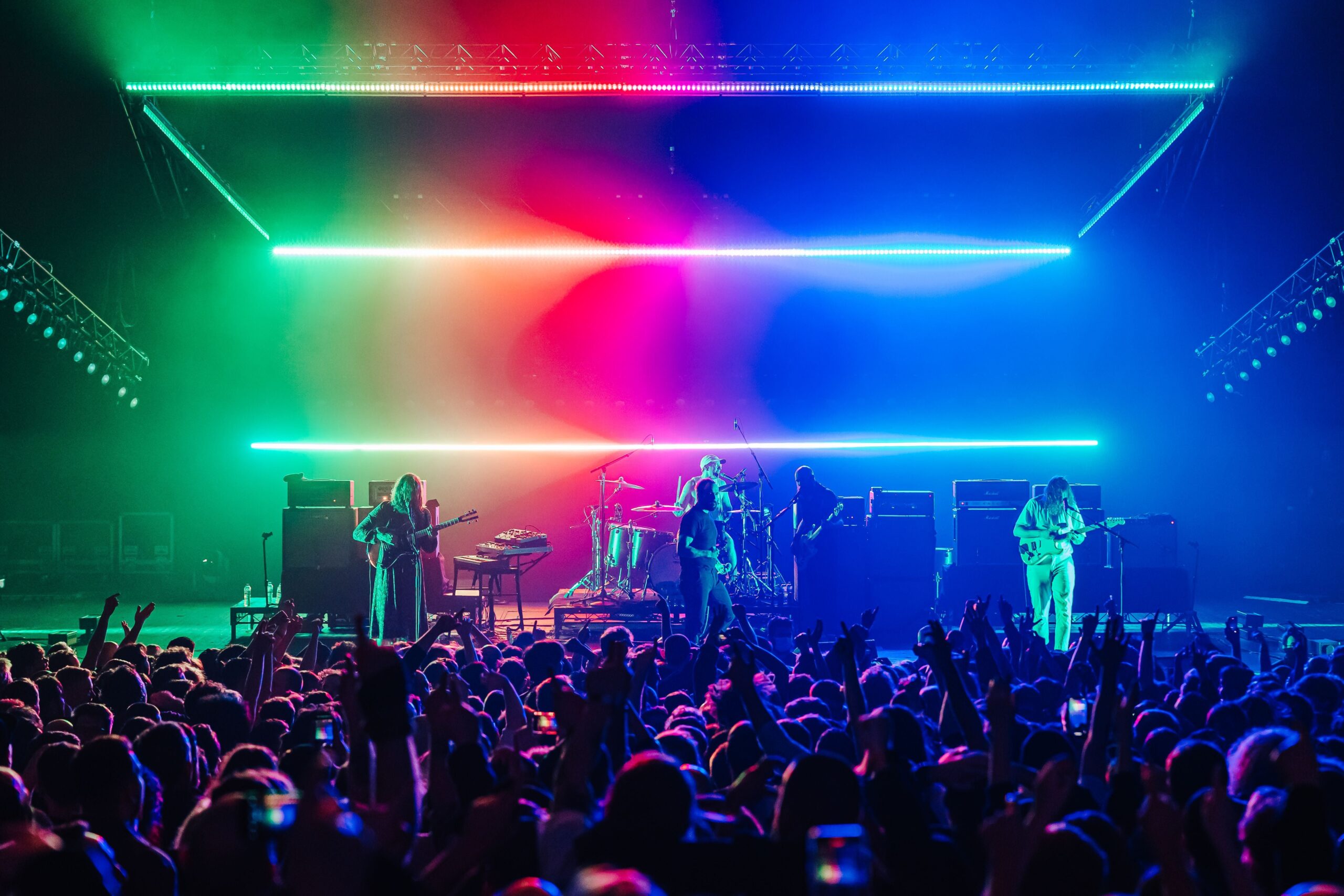
“I wanted to make sure I lit the entire arena as equally as I could throughout,” he explained. “Everyone needed to be seen and everyone needed to know they were seen. I tried not to create a ‘light show’ as such, it was more a matter of translating the feel of the music into light. Then it was more about adding a few party tricks and relying on my busking skills for the rest of it. I had an excellent rig from Christie Lites. I also had access to the MSG house rig, which helped expand the show when needed. They have an extensive array of fixtures up in that roof. More people should use it!”
Warren used the MSG rig to create a walk-in look that was a full wash of the arena in CTO shades. He also relied on some intense overhead lighting to create an architectural space of the “dance floor” that was carved out of the arena’s main court.
“We were especially conscious of the main floor looking slightly sparse due to the limit in tickets that were allowed on the floor due to fire regulations,” said Warren. “So, I made an effort to light it in a way to make it look like a canvas if viewed from a higher level. However, I tried not to pick the floor out too much, but obviously that’s difficult when lighting from above. I like to think everyone in the arena got a piece of the action!”
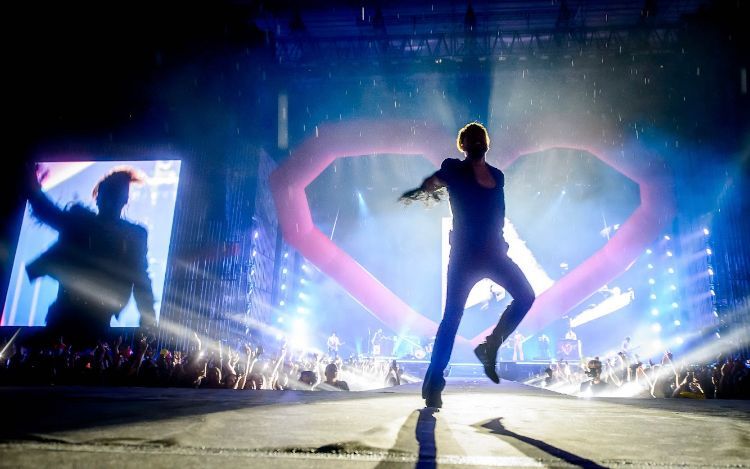
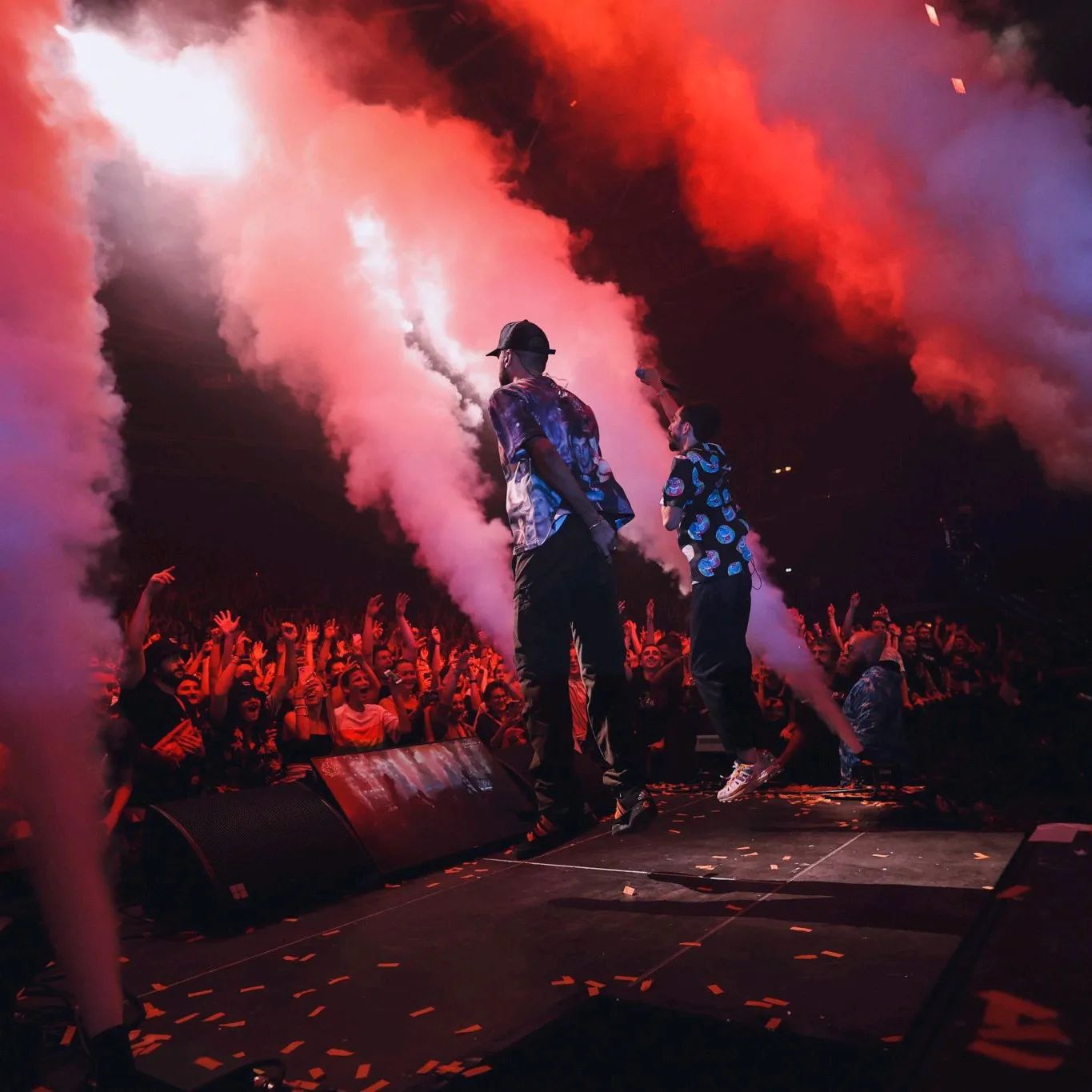
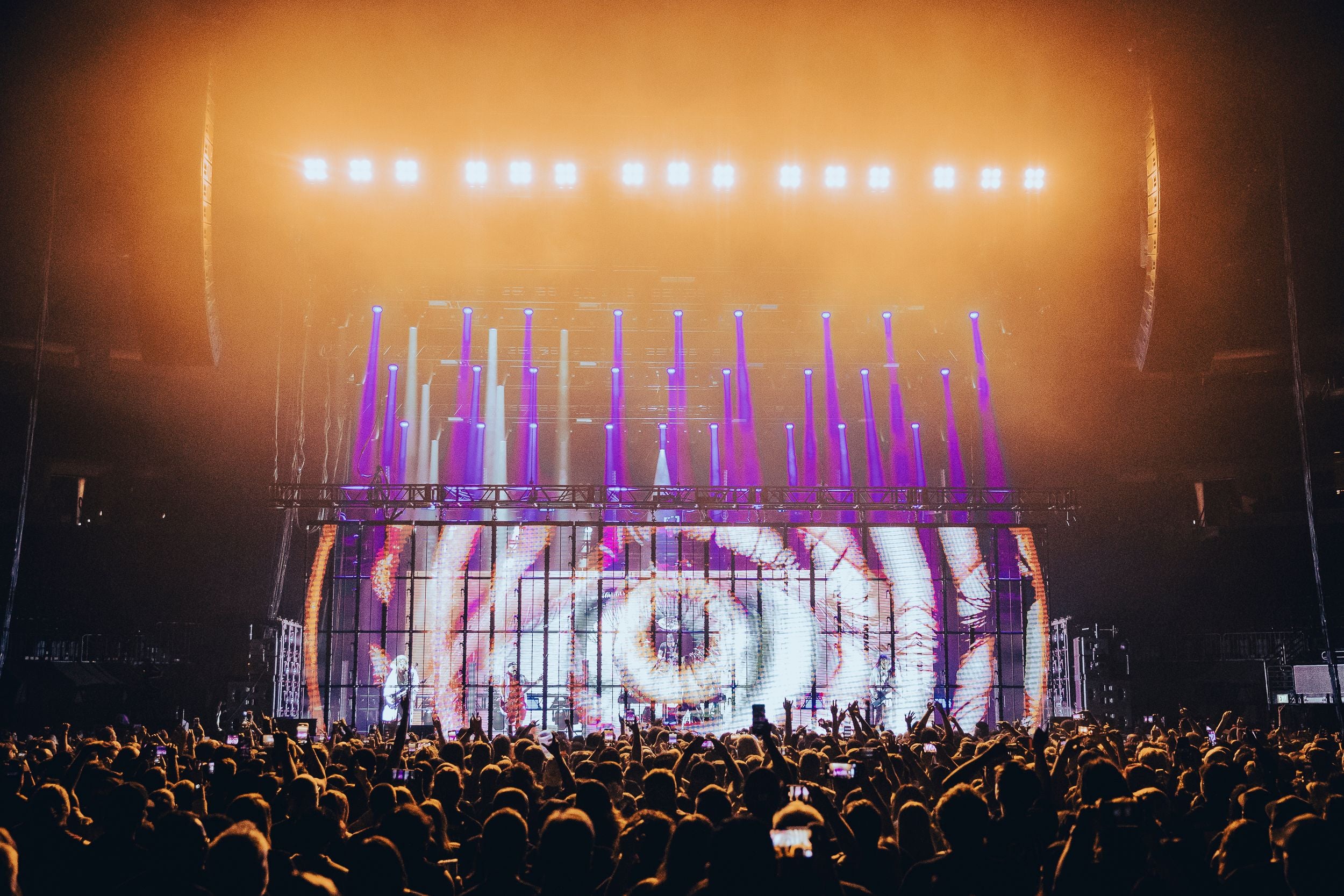
A big part of the action centered around the intense strobing Warren did during the show, following the beat and the drops, but always remembering to turn off his strobes for periods “to give everyone a break.”
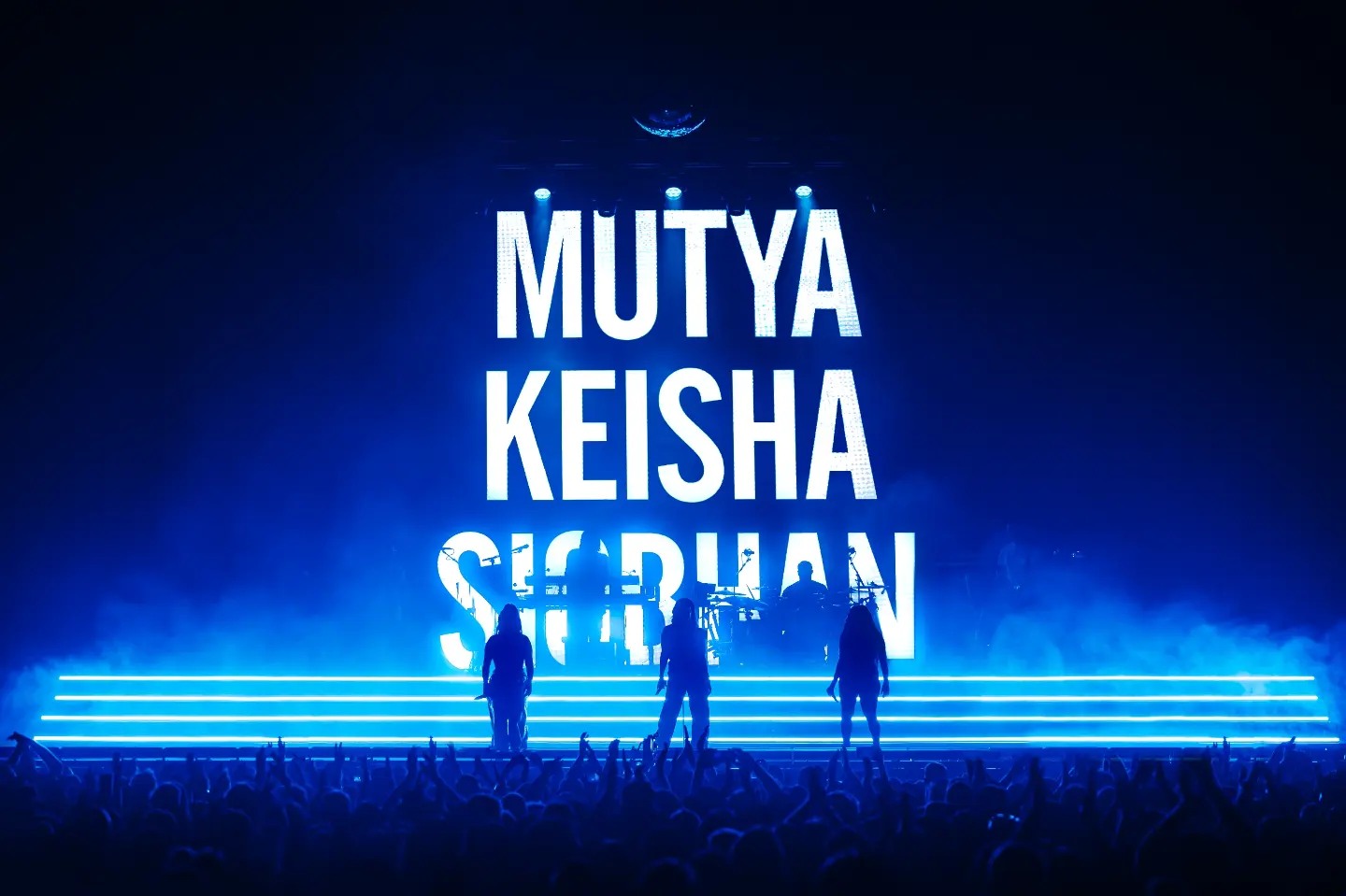
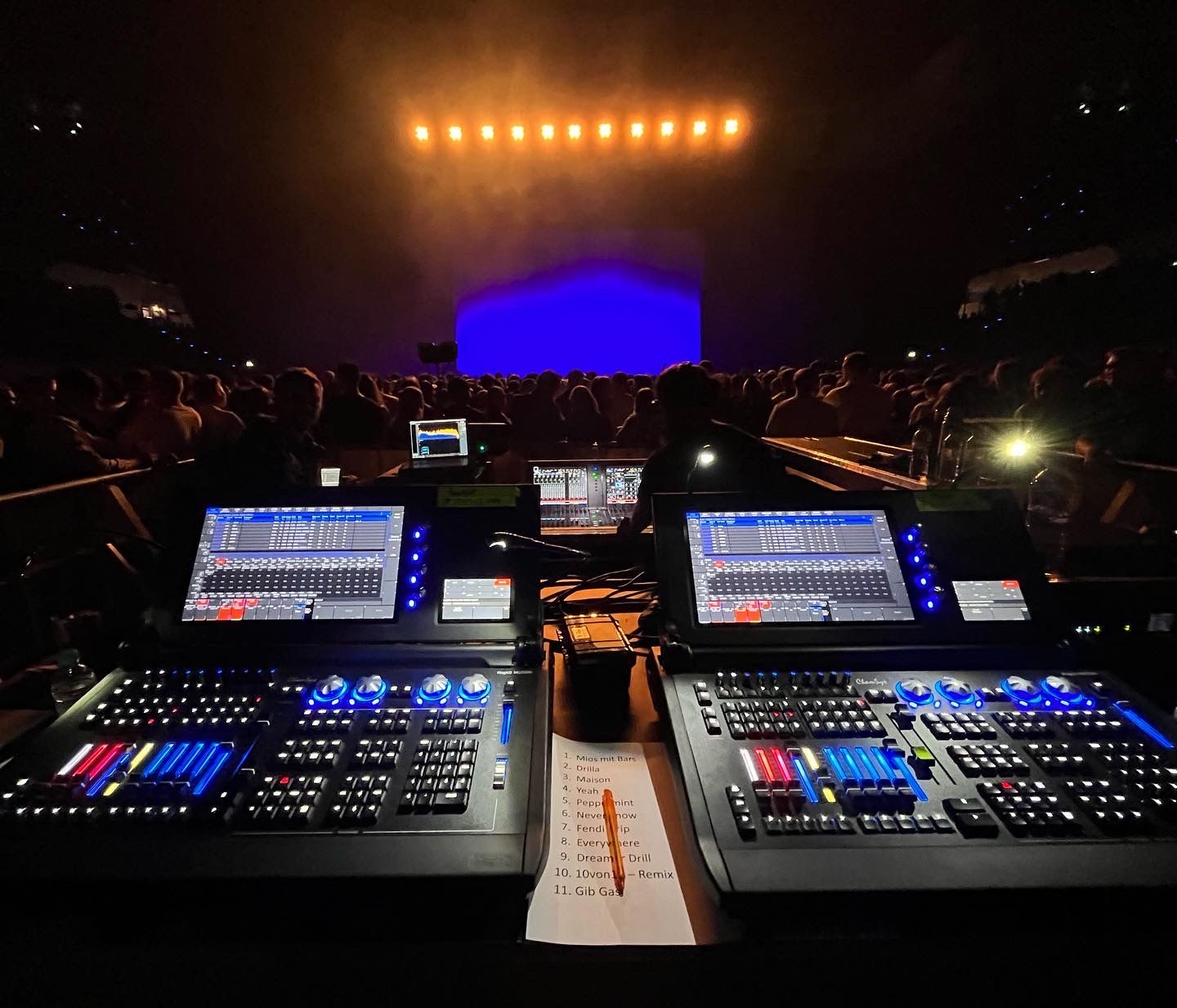
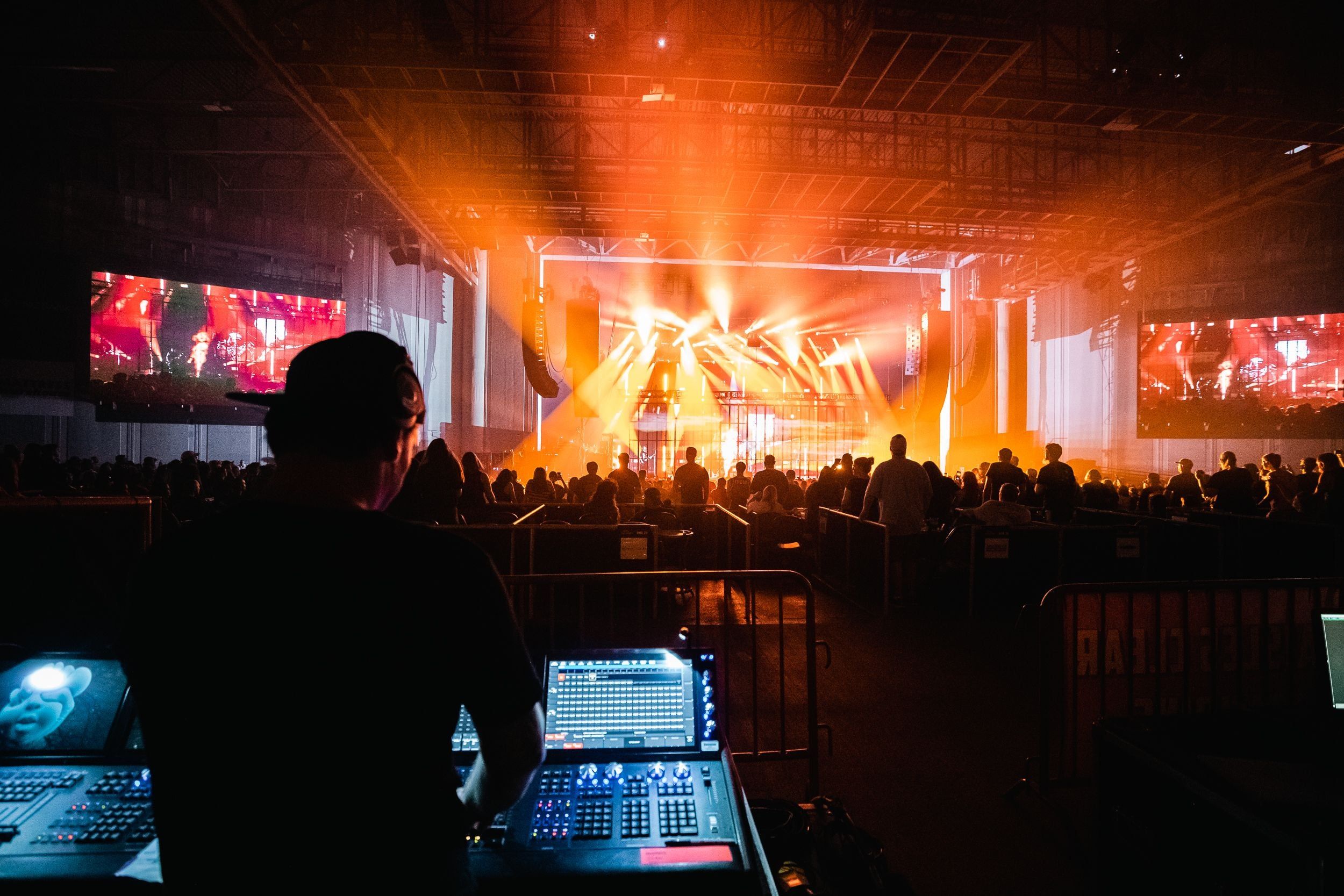
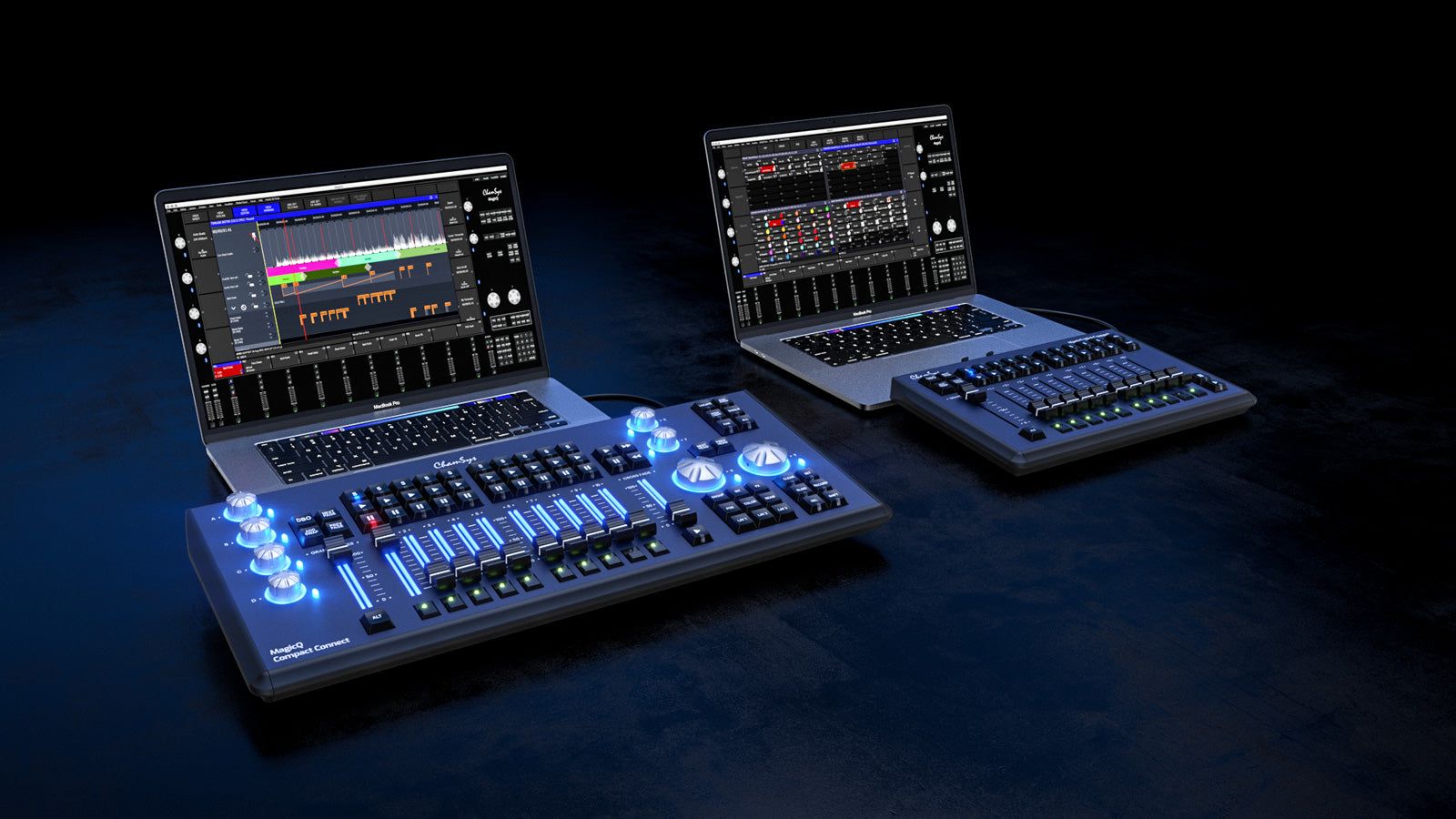
Rather than concerning himself too much with giving each of the three co-headliners a distinct identity for their shows, he focused on creating an overall immersive identity for the entire evening. Helping him accomplish this in impressive fashion were the MagicQ MQ500M he used at the venue and the MQ70 console he worked on at home
“I carried over the programming from the London shows I did for these three artists a few weeks earlier and spent a fair bit of time at home programming on my MQ70 in preparation for this show,” he said. “There was also a bit of time on the plane on my laptop, and then I spent as much time as I could at MSG putting stuff in on the day the show. I busked the entire thing start to finish, so I made sure I had everything laid out in front of me that I thought I might need. I even spent parts of the show programming new stuff in, in Blind Mode. None of the show, except for the first drop of the house lights, was pre-planned or timecoded.”
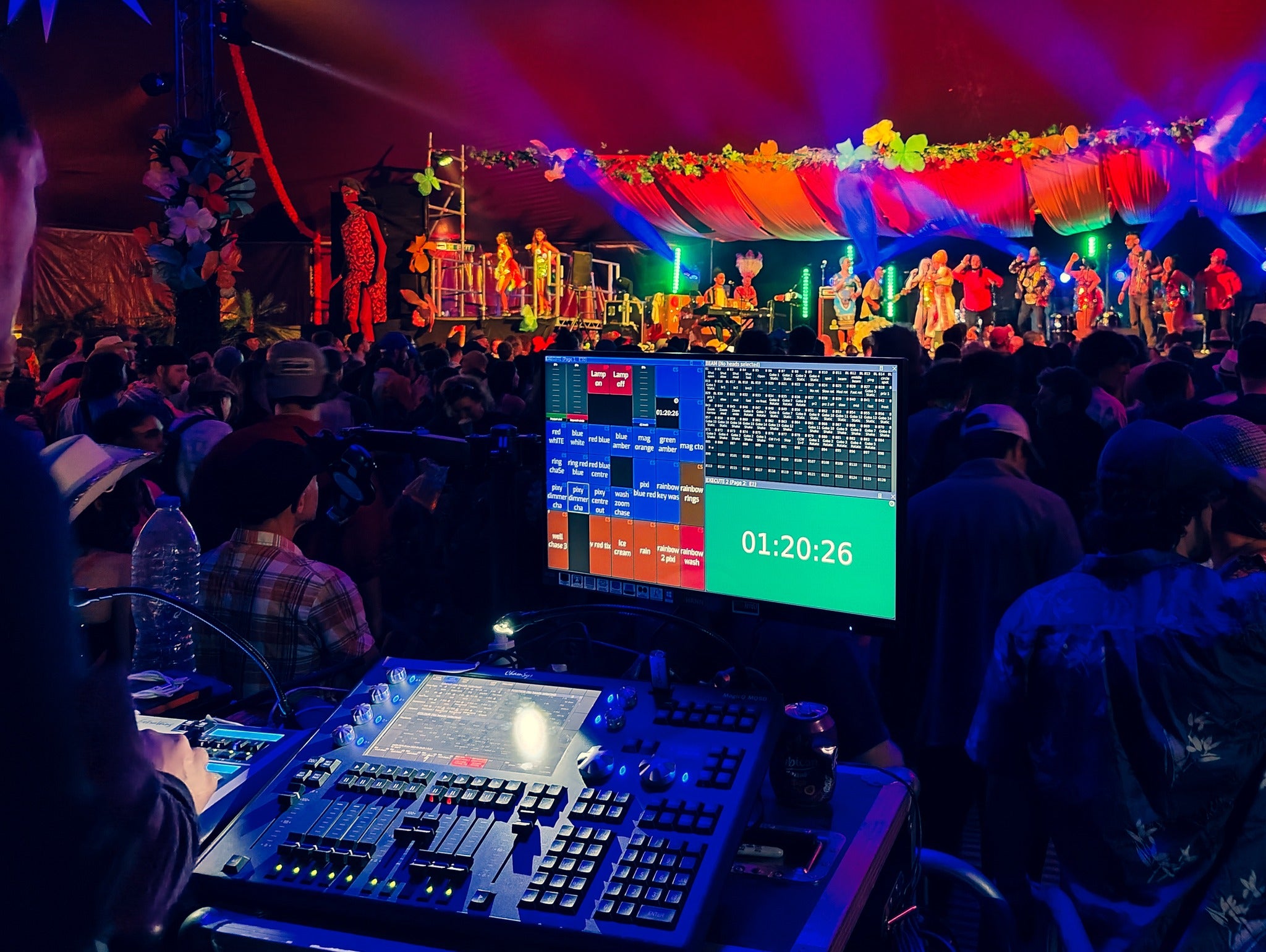
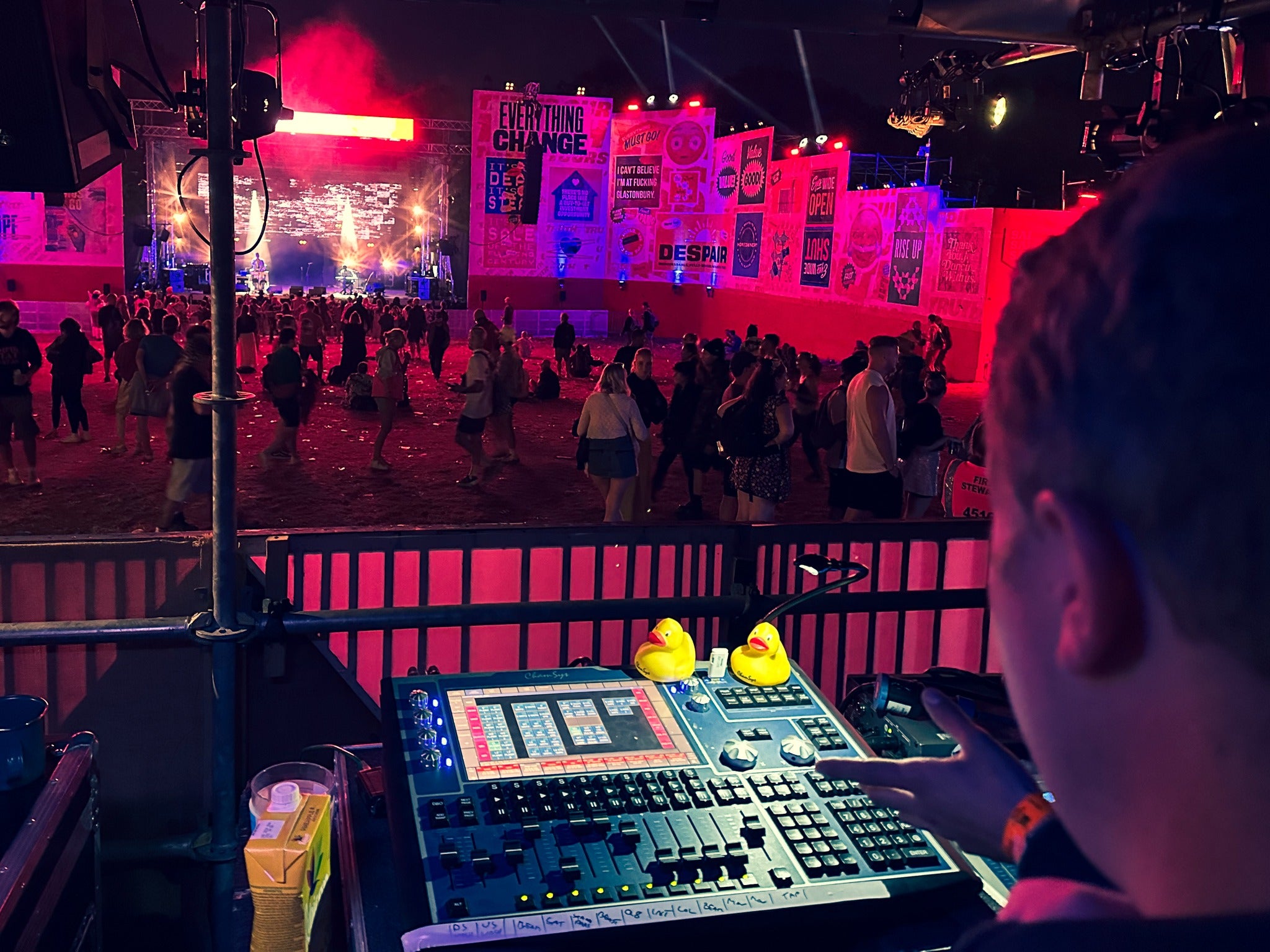
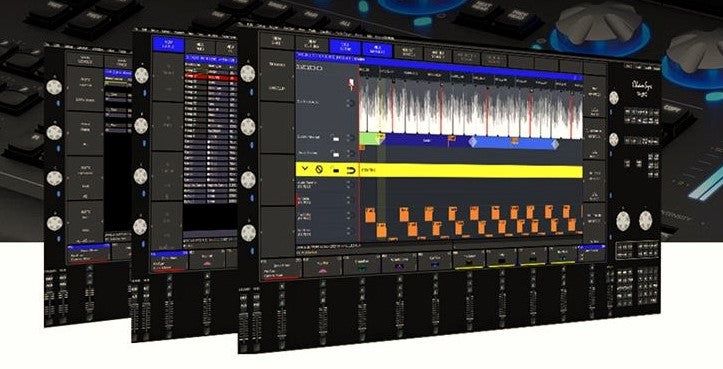
Warren credits his MQ500M with helping in the busking process. “Busking on this desk is so easy, thanks in part to its abundance of faders, executor screens, extra buttons,” he said. “I always save space to add anything extra on the fly during the show which came in handy. Of course, programming in Blind Mode can always be a bit risky, but I enjoy living on the edge — plus my ChamSys gives me confidence.
“I should also add that the ease and speed in which I could patch and connect to the 48 universes of the house rig was crucial in this job,” continued Warren. “I imported all my palettes for those fixtures from previous shows and was good to go within minutes. No NPU needed!”
Warren credits the design team – Julian Edwards of Christie Lights; Brian Gallagher and JT of the lighting crew; as well as Darren Mullis and Josh Rhalski, the production managers with helping the show come off so well. He also extended thanks to “Parker on audio. Kieran, Fred, and Sonny for trusting me with this madness!”
In the end, that trust was well founded. Not only did the evening provide Ed Warren with a personal career highlight, it also had significance that went beyond this particular concert More than a few critics praised the show as a milestone, including one who proclaimed that it had opened “a new chapter for EDM.” For an arena that has hosted many historical events, this concert can be counted as another memorable moment.


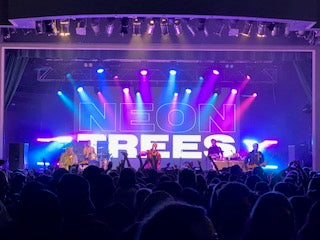
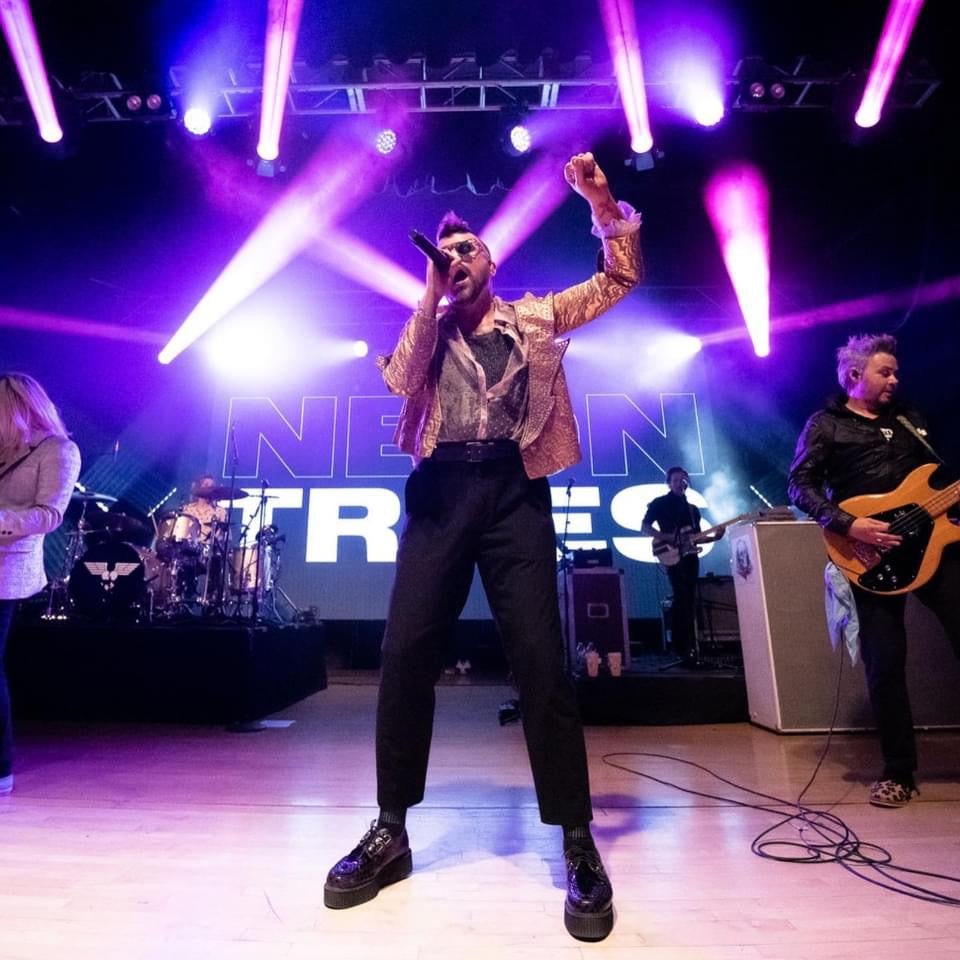
“My good friend Myles Mangino learned what Neon Trees was looking for, and recommended me,” said Easterbrook. “We haven’t looked back since. It’s been a blast for me, doing about a show with them a month, all of them one-offs. I have a very busy schedule outside this band, so it’s really convenient taking my MQ80 as carry-on and doing my preprogramming on the plane, in a hotel room, or bar.









Towler, of Nineteen Sixtyone Ltd., began working on Outlander when it debuted in 2013 at the invitation of its HOD Gaffer Scott Napier, and has been with the program for all six seasons since. In that time, the show has made a major transition from tungsten and HMI heavy lighting into a rig consisting mostly of LED fixtures.

For the Arsenal Festival, Birsa called on his
Given the complexities of his Dubioza Kolektiv show, Birsa said time coding was essential to his plans. “I could not have done things quite this way without timecoding,” he said. “The show would have to be built with much less to it if I had to run everything 100-percent manually. Happily for me, the MQ80 does a great job receiving timecode.”


Despite this issue, Hyra was able to create a captivating lighting design that engrossed the large crowd gathered in Byton’s historic Market Square as well as those watching the livestream of one of the most important events in Poland. Dynamic and deftly executed, his smooth color changes and seamless transitions flowed naturally with the traditional Polish folk dancers on stage. Later in the evening, when the initial performers were replaced by a rock band, he created a tour-like show.
Hyra credits his console’s “easy on the fly cue editing,” with helping him adapt. He notes that thanks to this capability he was able to change looks quickly to reflect the vision of his director. The user-friendly intuitive interface of the 
Building on the energy of the band’s performance and driving the intensity level ever higher was a 40-universe Niller Bjerregaard light and video show powered by the designer’s two
“The broadcast was as original as it gets,” said Bjerregaard. “All elements and features were as they happened that night and nothing was added or changed to enhance the viewer experience. The Stuttgart recordings were part of numerous recordings on that tour, but no elements were used from other shows, so what fans saw was exactly what happened. This video is a close as possible to that night, which is pretty cool.”
Bjerregaard used the M-Box Media Server. “Michael Austin Smalley, a renowned Light/Media Designer from Las Vegas and great friend, helped me in setting up,” said Bjerregaard. “My MQ500 controlled the media server with special designed video content, including movie clips with matching sound effects through the PA, as well as all camera live feeds.
Their bows feverishly jumping off the strings of their instruments, Luka Šulić and Stjepan Hauser, the Croatian cellists who make up the group, mange to push the oft-played rock classic to new levels of intensity. Reflecting the driving force of their performance visually throughout the 4 minute and 21 second video is a dynamic and intricately layered light show by Crt Birsa of Slovenia-based Blackout Lighting Design.
“I didn’t want to go multicolor,” he said. “Basic palettes were the most well-suited for this venue. Patterns and movement were what I relied on to visualize the music in a way that stood out.
Birsa notes that the Time Code and Cue Editing features his
“The MQ80 is a compact unit, but its powerful enough for elaborate jobs, and it’s a straight forward console to run,” he said. “For me, it’s the perfect console to take it on the field when I have a pre-programmed show and all I have to do is make some corrections. It also has UPS inside, which is most useful when you run the whole system by generator. If it runs out of fuel or something else happens, you have the chance to save the show and shut down securely. Really, this console has never let me down.”