Nick Ho Adds New Dimensions To G12 Asia Conference With ChamSys
SINGAPORE – As time passes, events and the lighting designers who work for them year after year often seem to develop a shared sense of how to approach the job at hand. Such is the case of Nick Ho and the G12 Asia conference. The Singapore-based LD began working for the massive worship rally in 2005, and has lit every one of its annual conferences since 2016.
Like his client, which is constantly looking for new ways to engage worshippers, Ho refuses to rest on his laurels. Although his big, multi-faceted lightshows have earned widespread praise from the conference’s attendees and its Technical Director, Dennis Thien, Ho is always working to make them more compelling. This year, he and his programmer Justin Poh upped the engagement level by doing something they’d never done before: pixel map their rig’s washes.

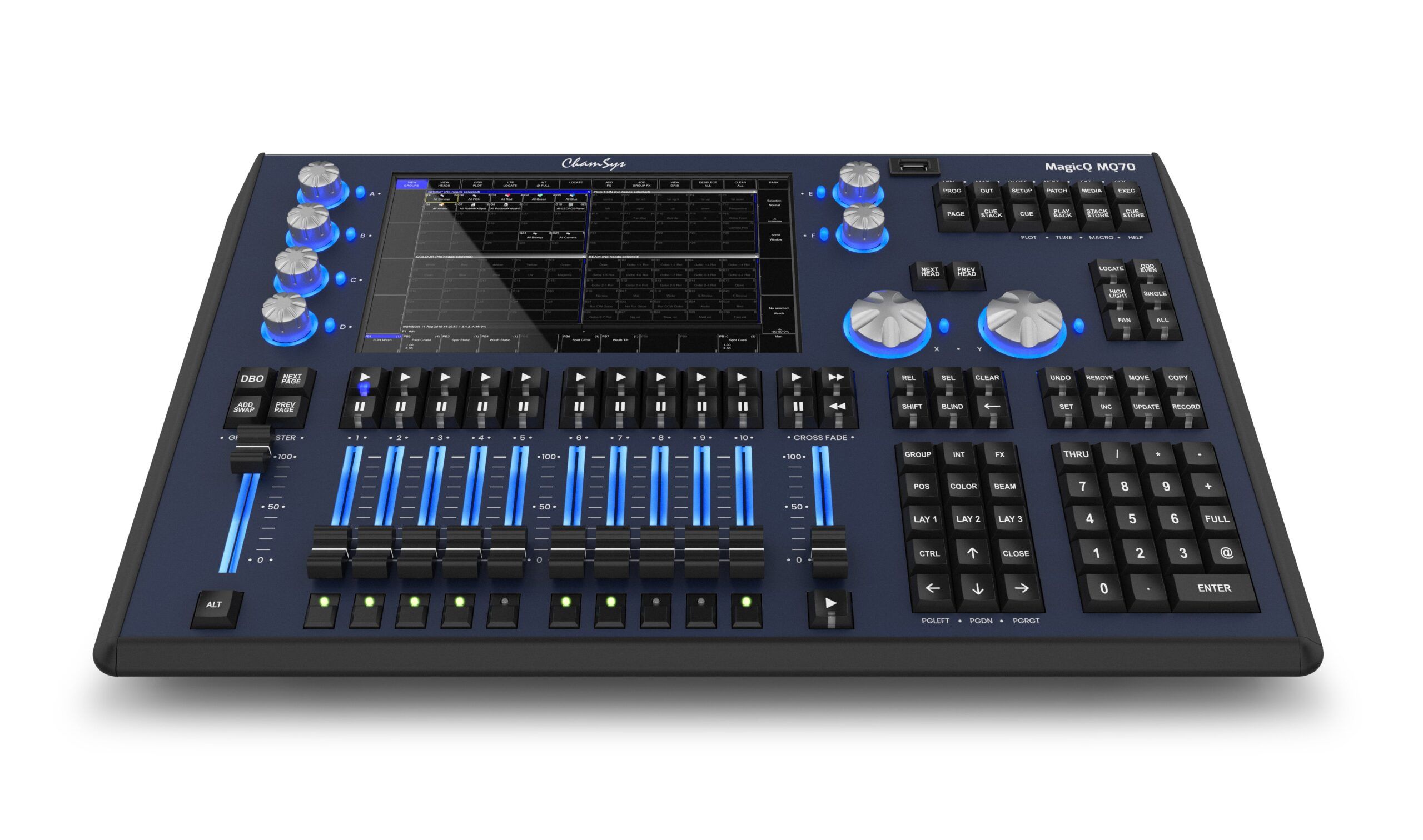
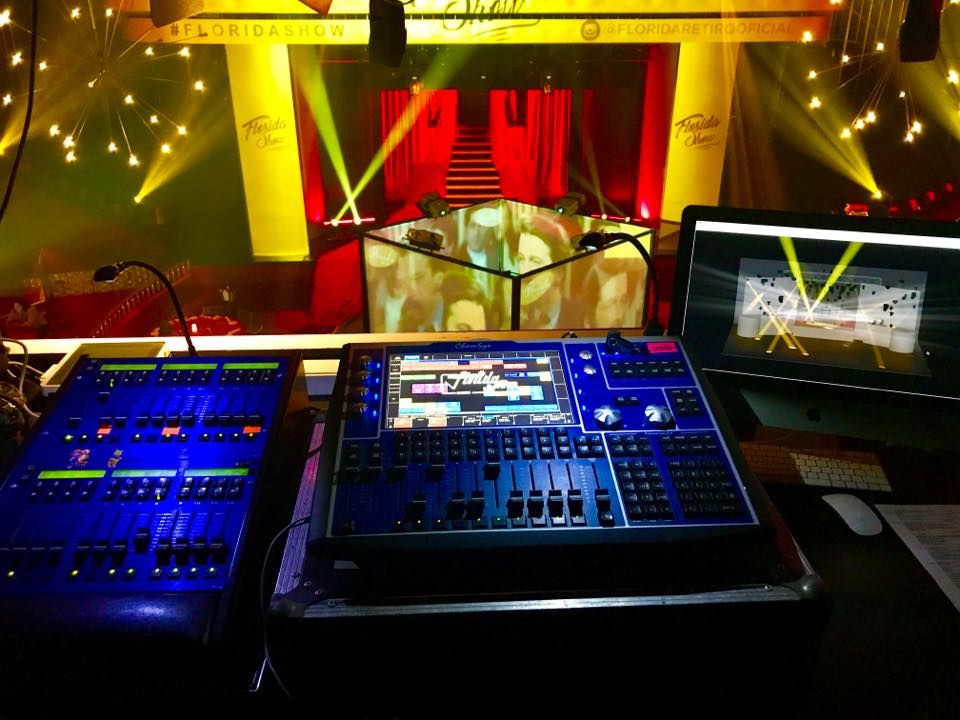
Creating this new design with the 78 wash fixtures in their rig was made much easier, they say, by the pixel mapping features in their ChamSys MagicQ MQ100 Pro. “This was the first time that we have tried pixel mapping washes for such a large scale event,“ said Ho, noting that the conference, which was held at the Singapore Expo Hall, drew 10,000 people. “The pixel mapping functions in our ChamSys works very fast, which was good, because Justin wound up creating looks on site during the conference.
“Pixel mapping the washes added another dimension to our show,” continued Ho. “Having the simple low res animation effects run across the back line truss created very engaging looks. Doing this was a straightforward process with ChamSys. We just had to create a fixture layout in the Output Window View Plan, create the grid size, and assign heads correctly into the boxes, then patch PIXMAP — and we were done! The ease of working with ChamSys removes a lot of stress when you are trying something new.”
 Ho was also impressed with how smoothly his console worked with the different brands of washes in his rig. “We had three different brands represented, almost evenly,” he said “It was quite a task to make sure we had the correct color balances across this diverse rig. This was especially important because we had to watch our colors for our video cameras.”
Ho and Poh had 409 fixtures run across 24 universes in their lighting design for the conference. Their lighting filled a variety of roles, requiring a versatile system, and a flexible attitude on their part.
“As always, we try to balance the important creative aspect of lighting design with the practical ‘light first’ concept,” said Ho. “I tried to make use of the correct timing during worship segment to enhance the stage and the surrounding environment. At the same time, we wanted lighting to reach the audience, and work well for the cameras. There were times when we would turn off stage wash to create a back-light silhouette effects, without losing anything for the camera. There were always many different demands to weigh, so having a console that simplified things was very important.”
In addition to the MagicQ MQ100 Pro, Ho and Puh ran their lights on a Maxi Wing with a MacBook Pro. A custom designed MIDI Controller was also used.
“This year, I introduced MIDI wing hardware to be used with MQ100 as an ‘extra fader wing,’” said Ho. “This wing sent MIDI output to ChamSys. There is a very useful Automation feature in ChamSys that allows you to assign any MIDI input command to trigger cues. For G12, I assigned it to trigger a ‘Executor Window’. This wing helped Justin and me trigger as many effects as possible without losing our concentration during busking moments, which were different and more elaborate this year.”
Whether it’s pixel mapping washes for the first time, or pushing his busking envelope, Nick Ho continues to expand his creative horizons with his ChamSys console at the G12 Asia conference – and his client couldn’t be happier.
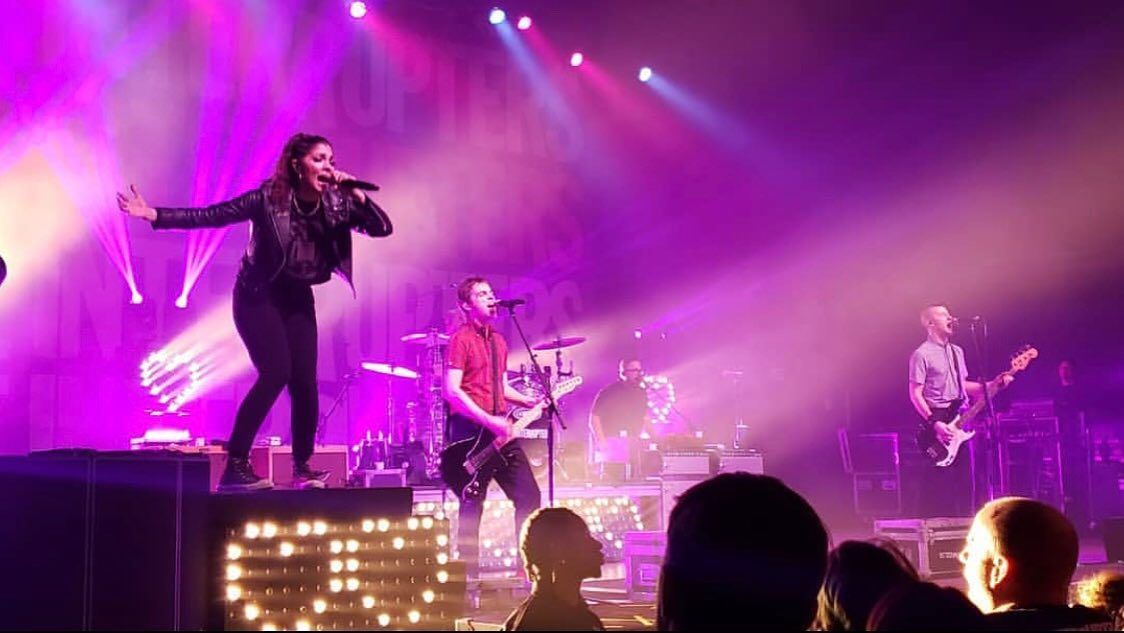





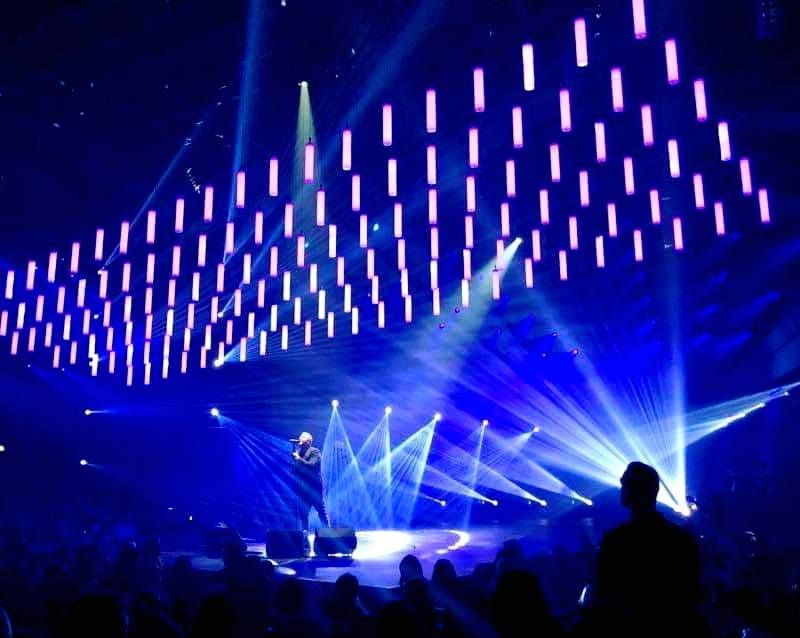
 The Arf & Yes lightshow was more than just grand in its scale. Its power to move the audience also emanated from the artful balance of its design. Brilliant shafts of light that rained down on the stage endowed the show with an evocative translucent quality. The triangular configuration of lights on three levels positioned over the stage, created a sense of depth. As these mesmerizing looks were being created, deft key lighting seamlessly supported each of the 36 songs from the north and south of China that were performed at the event.





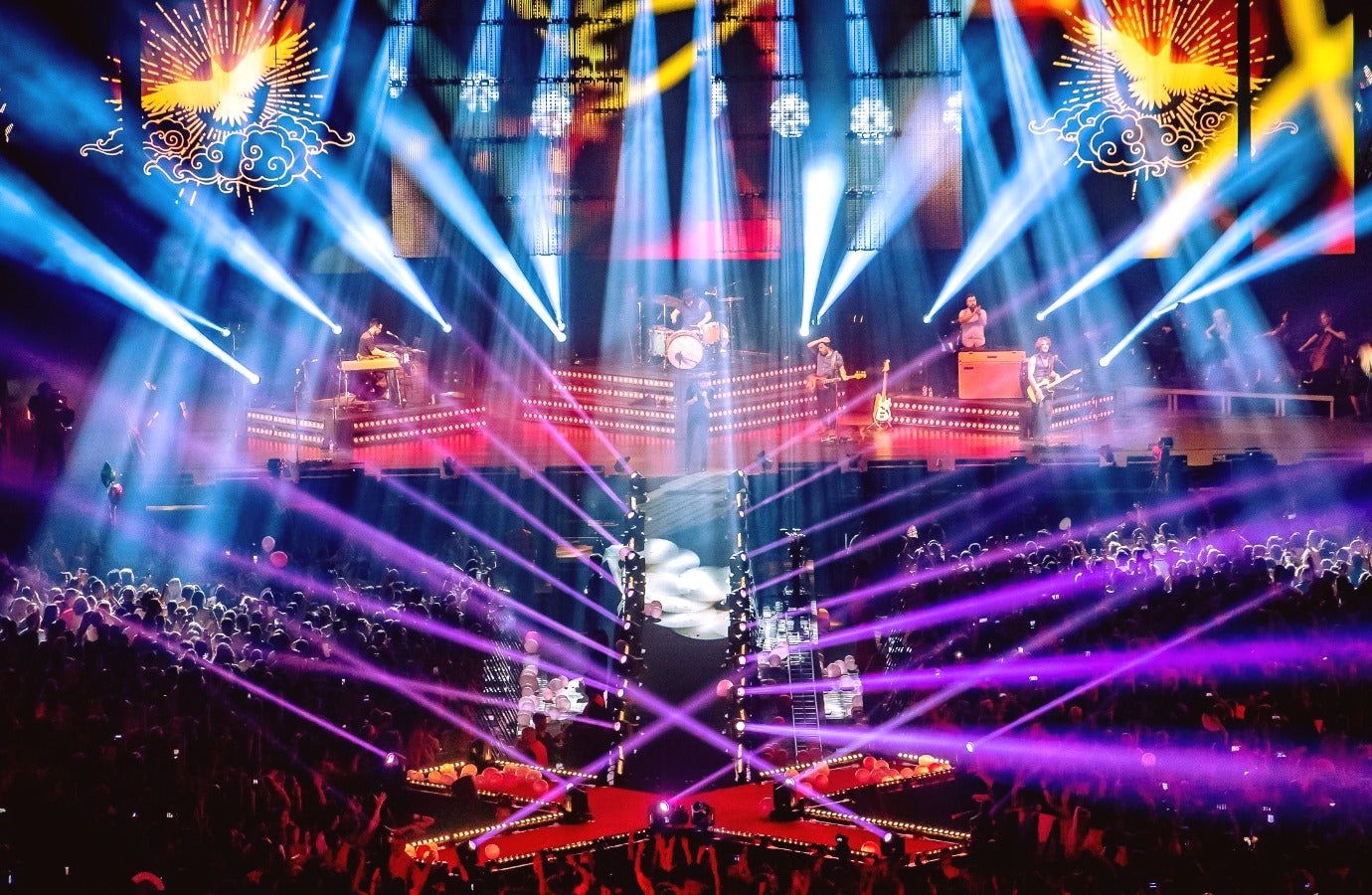
 The 68,000-seat stadium serves as the home to Atlético Madrid, but on Saturday June 29, it played host to another of Spain’s national treasures when it welcomed singer Manuel Carrasco who appeared there as part of his 35-date “The Cross of the Map” tour. Fans who packed the stadium were immersed not only in the emotional power of the star’s vocals, but also by the sweeping visuals that Jvan Morandi ran from a control center powered by no fewer than six ChamSys desks including two
  Helping Morandi weave this intricate light and video tapestry together were his ChamSys consoles. He used his two
  Another feature of the ChamSys consoles that Morandi has been placing a premium on is their versatility. Carrasco’s “The Cross of the Map” tour is very aptly named, as the show has been crisscrossing the Iberian Peninsula with a passion.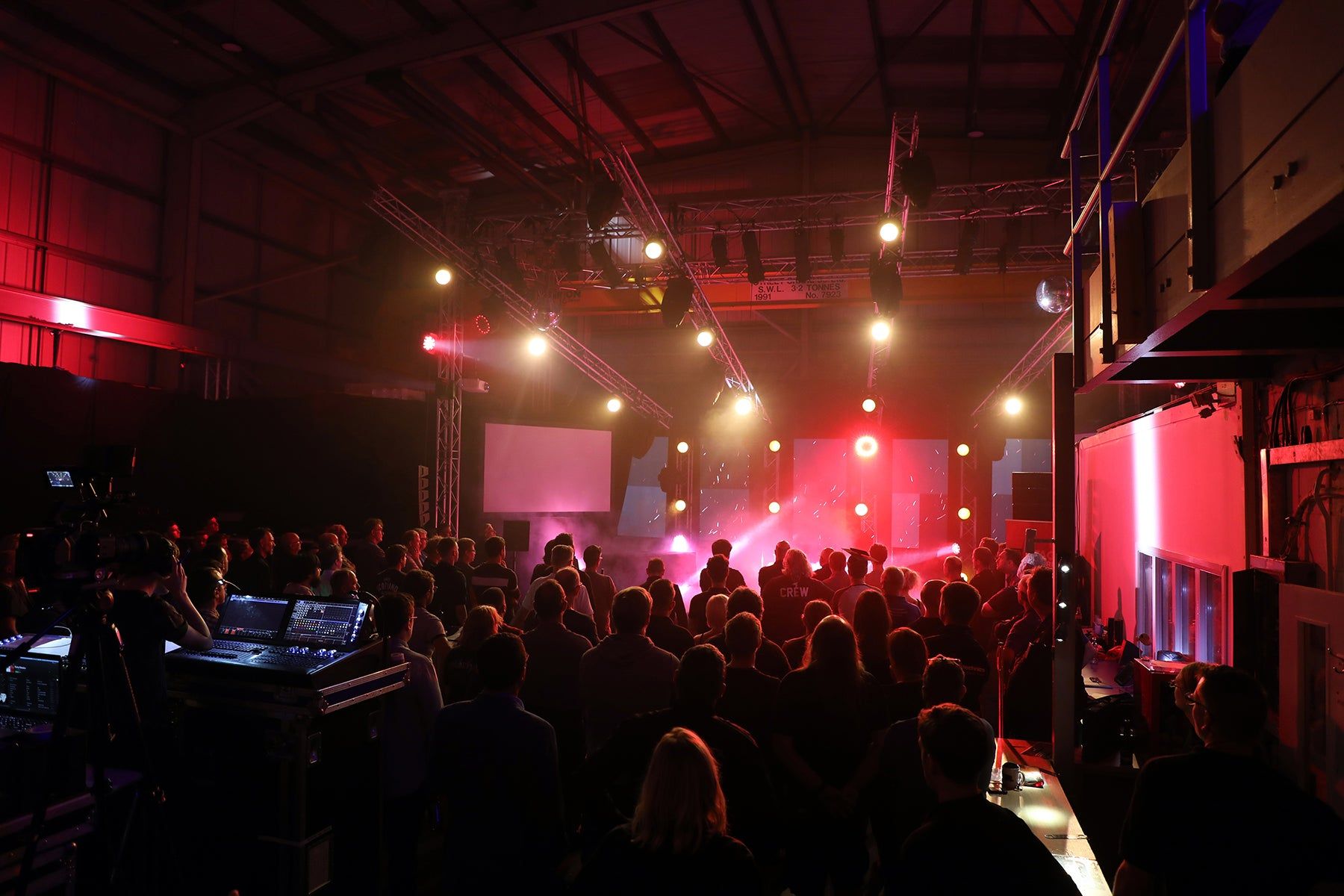
 Adding a lighthearted touch of drama to the proceedings was a short skit presented by company team members on the history of ChamSys. The skit recounted how company cofounder Chris Kennedy developed his first console at the age of 10. Telling the story of a young man with big dreams, the skit showed how Kennedy achieved something beyond even his wildest imagination years later when an award-winning ChamSys console was used by Art & Yes to control a record-breaking 64,000 parameters over 186 universes directly without processing nodes.
 Following his “acting performance,” Kennedy treated guests to a preview of the new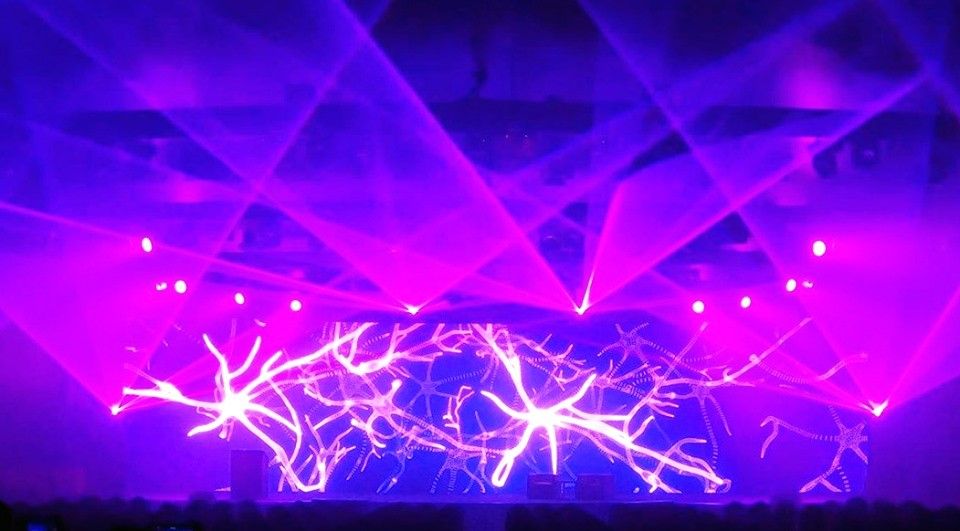


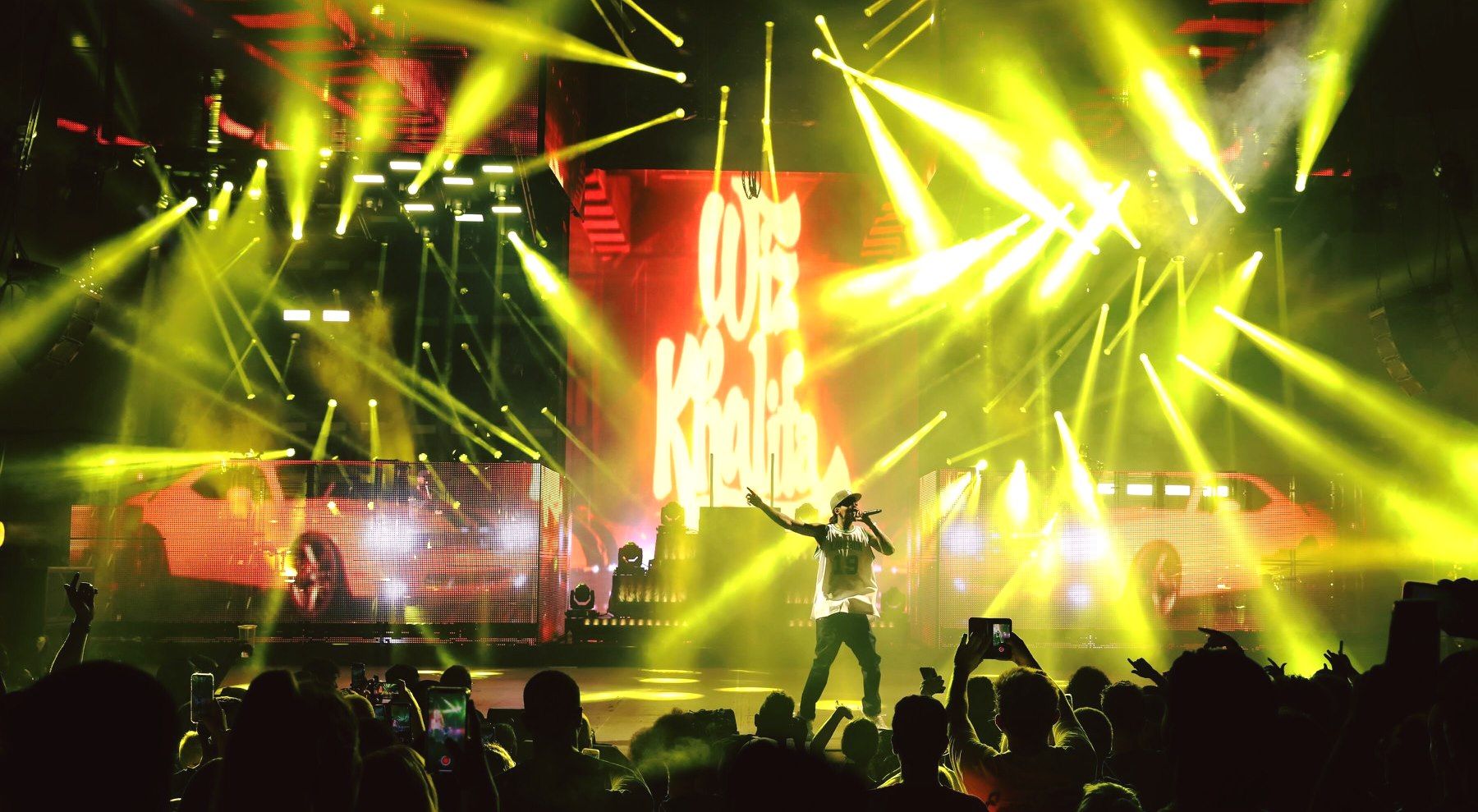

 Bullock’s ChamSys console helped him orchestrate this array of visuals into a single, powerful and precisely coordinated show. “To be able to run this whole show with no NPU is a beautiful thing,” he said. “That’s what I get with ChamSys. It simplifies operations. The command structure is very straightforward and logical. I can select palettes via hard buttons without having to look through screens, so I can actually be more focused on looking at the show!”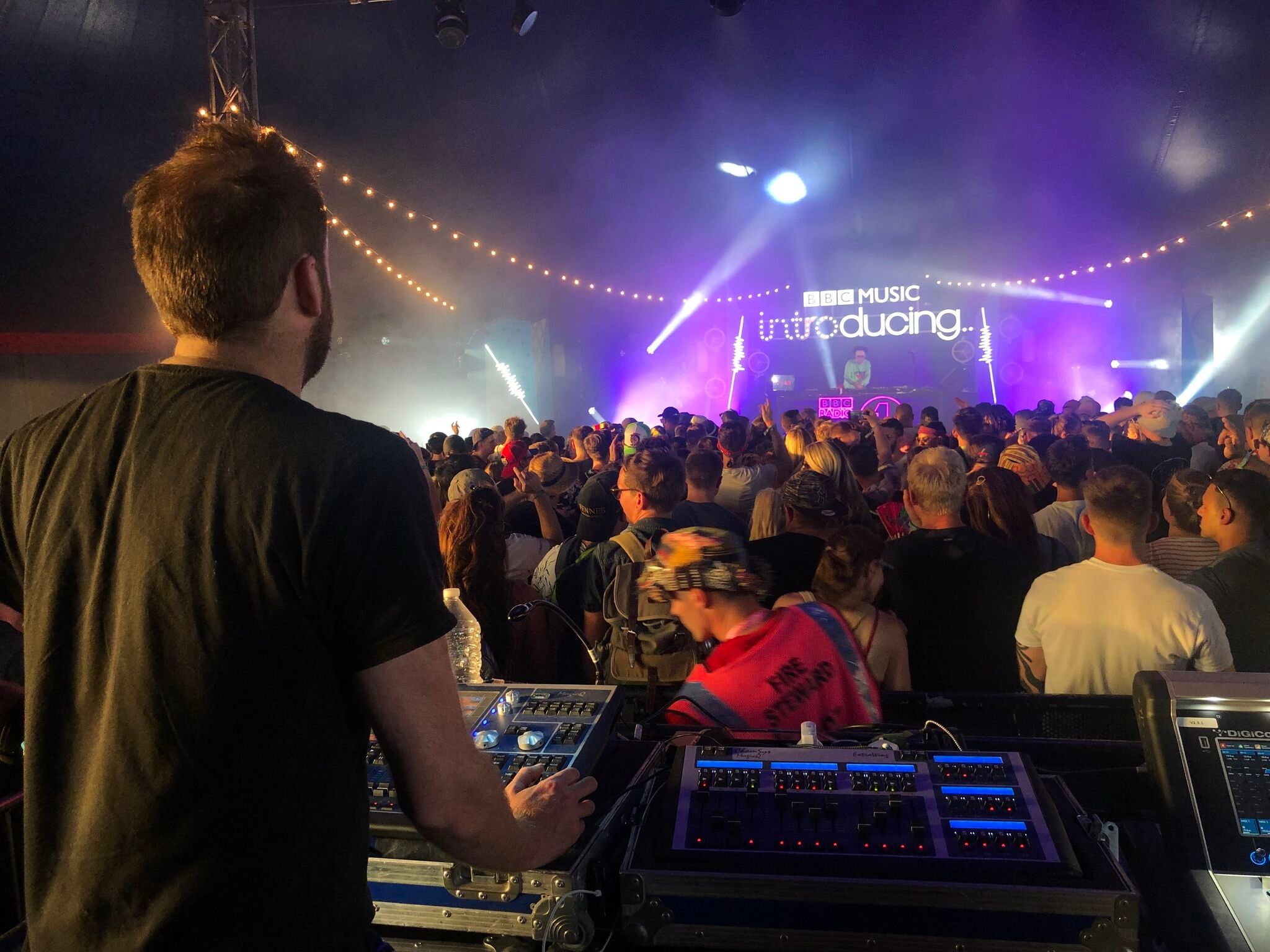
 This year, ChamSys desks were included in the production designs on eight Glastonbury stages, in addition to others being brought to the festival by a host of LDs working for a wide range of artists like Simon Horn for Maribou State, Isabel Del Moral for Rosalia, and Gary Wilson for Lewis Capaldi.
 Southampton-based GLS Lighting supplied a MagicQ MQ100 plus Playback Wing for the Avalon Stage

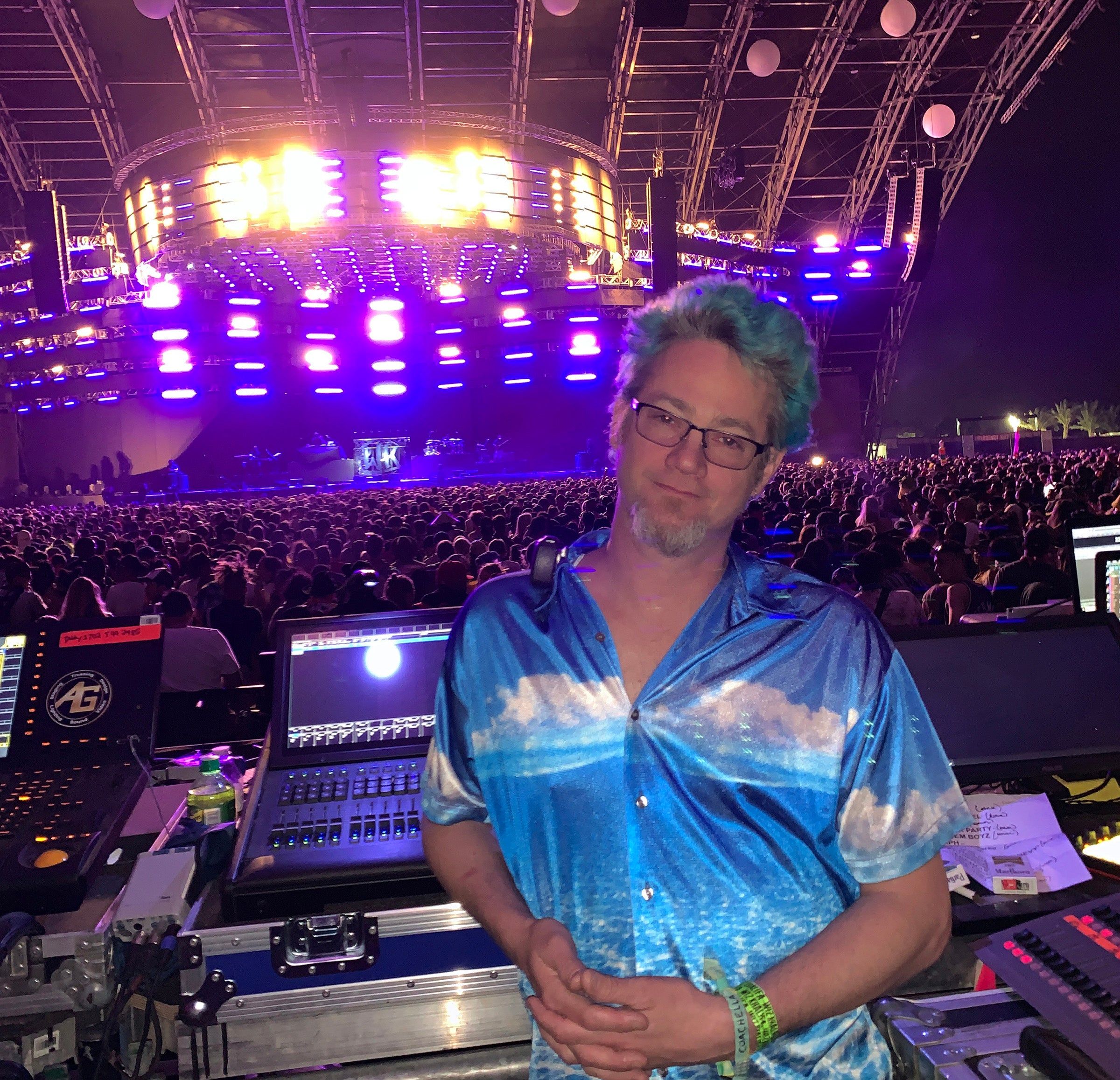
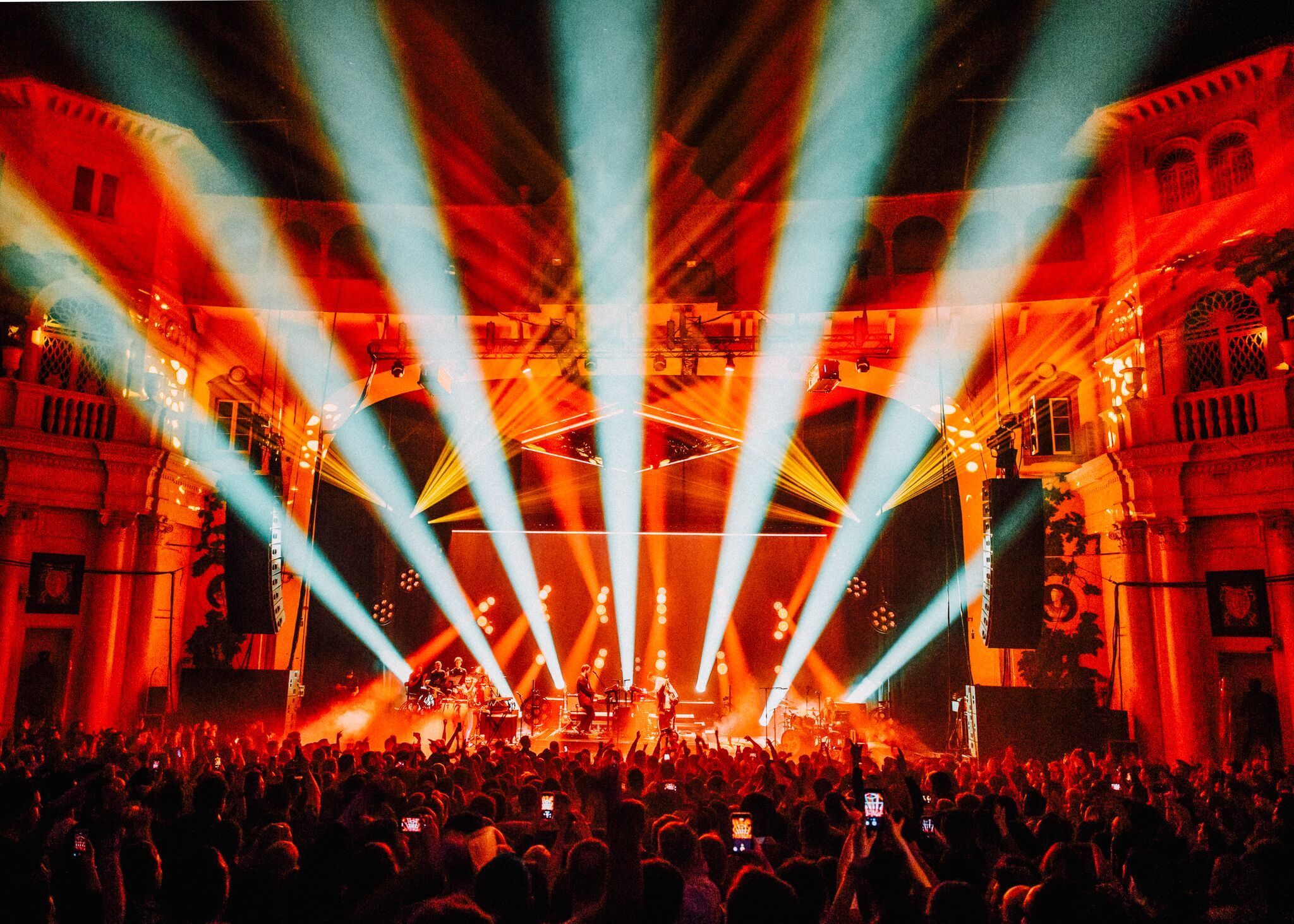
 For Horn, the music of Maribou State is a fertile incubator for his design vison. “I am all about creating drama and movement in the air by not actually wobbling fixtures, but by creating pulse and chase effects in different arrangements and in different orders across the rig,” he said. “Just because a fixture can move doesn’t mean it has to. I can create a sense of movement by doing something as simple as having the beams on the X Bars punch through at different times. This tour is providing me with a wonderful opportunity to demonstrate my design philosophy. The band was very keen on moody dramatic looks and was open to thick smoke and silhouetted moments. It was an LD’s dream come true to be so dynamic.”

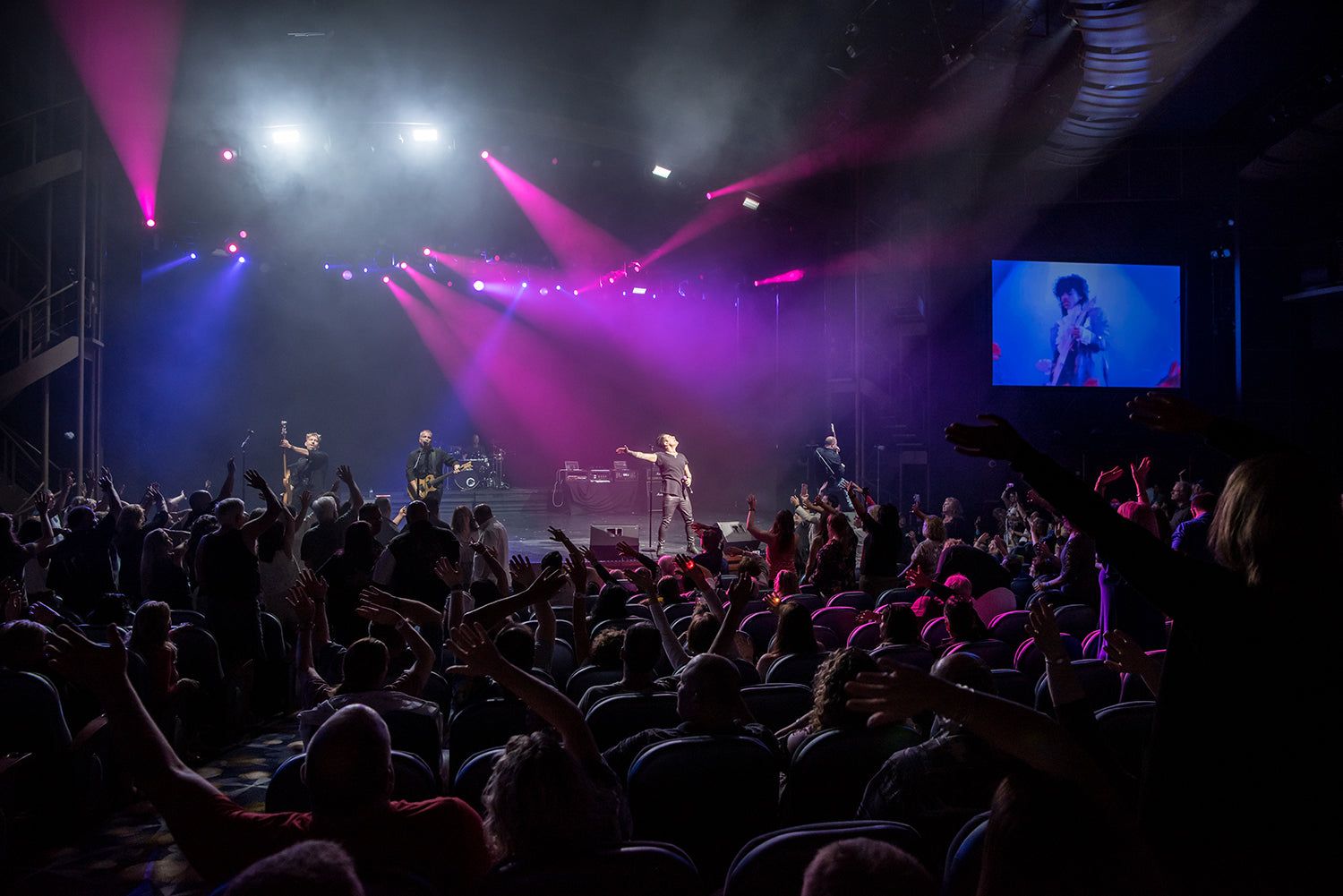


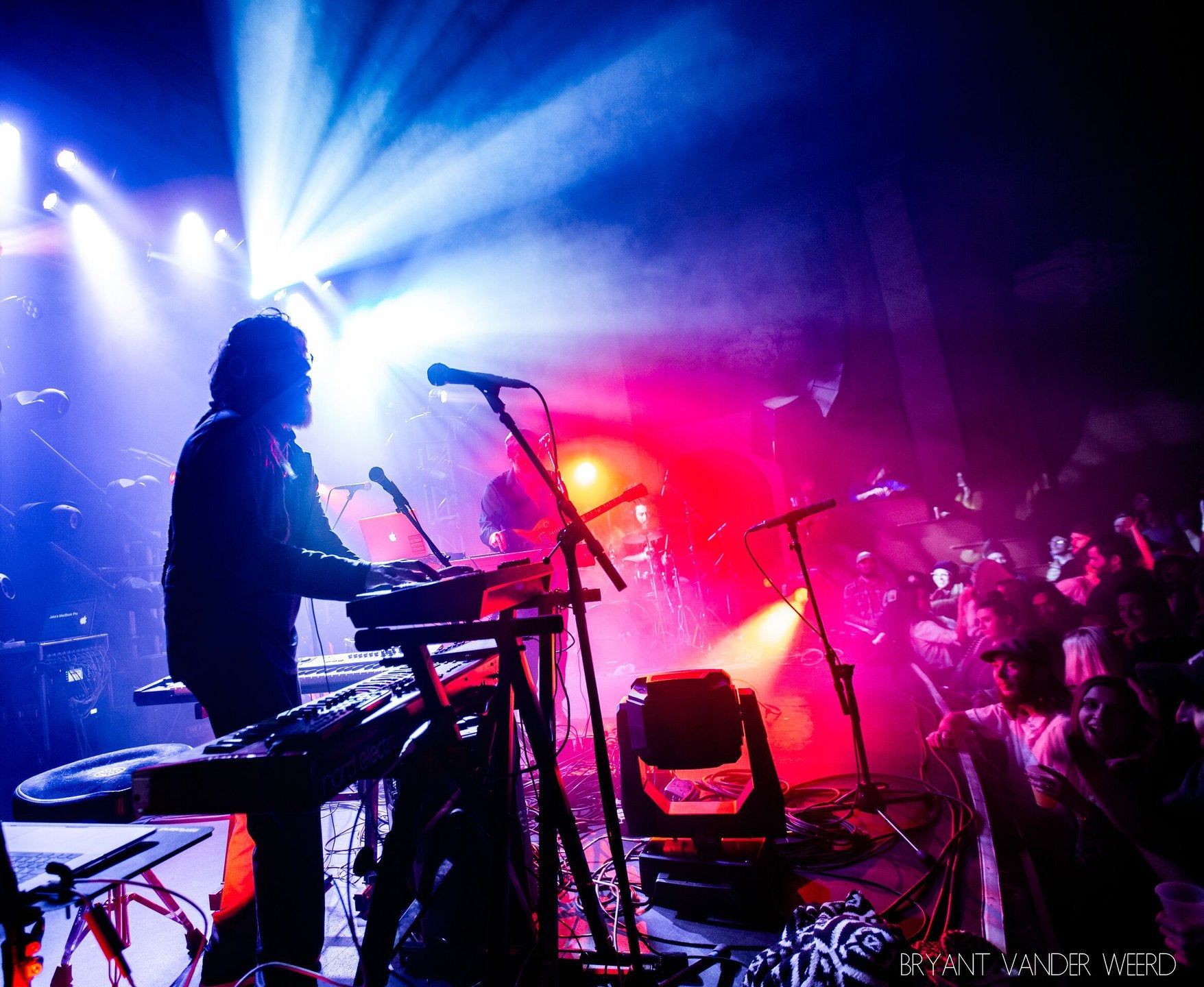

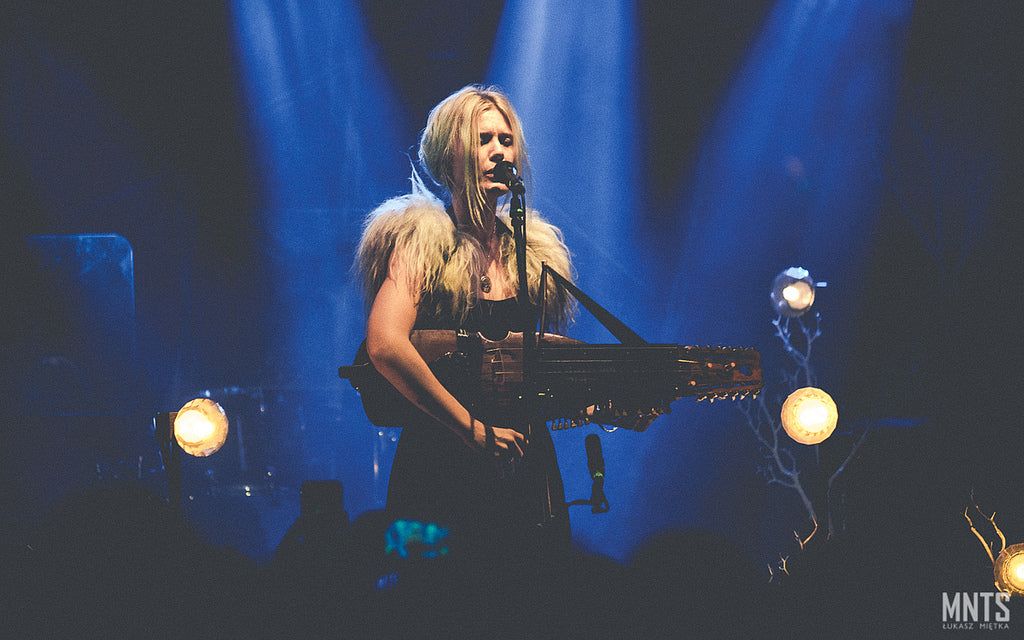


 For
For  The
The 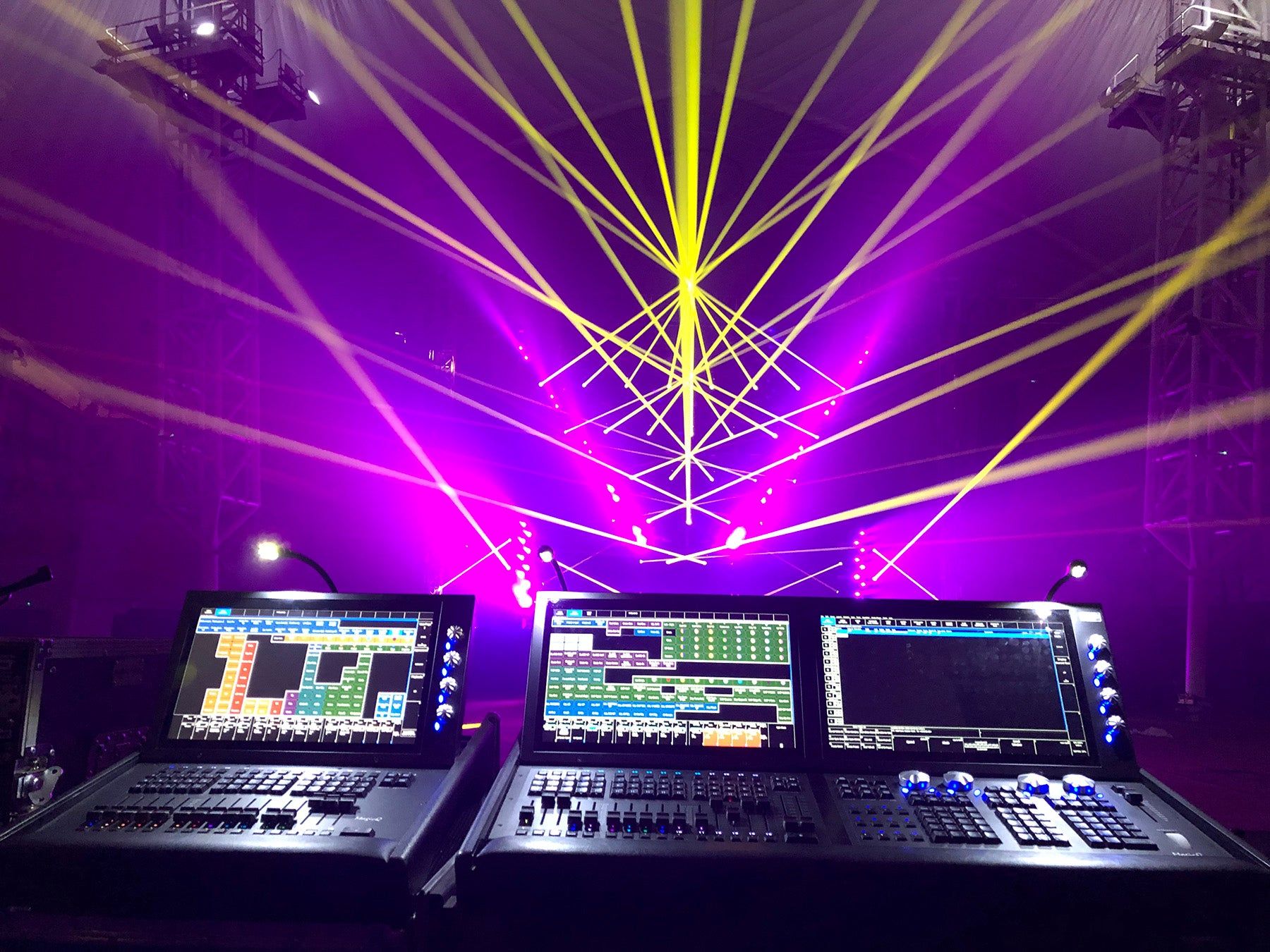
 Horn
Horn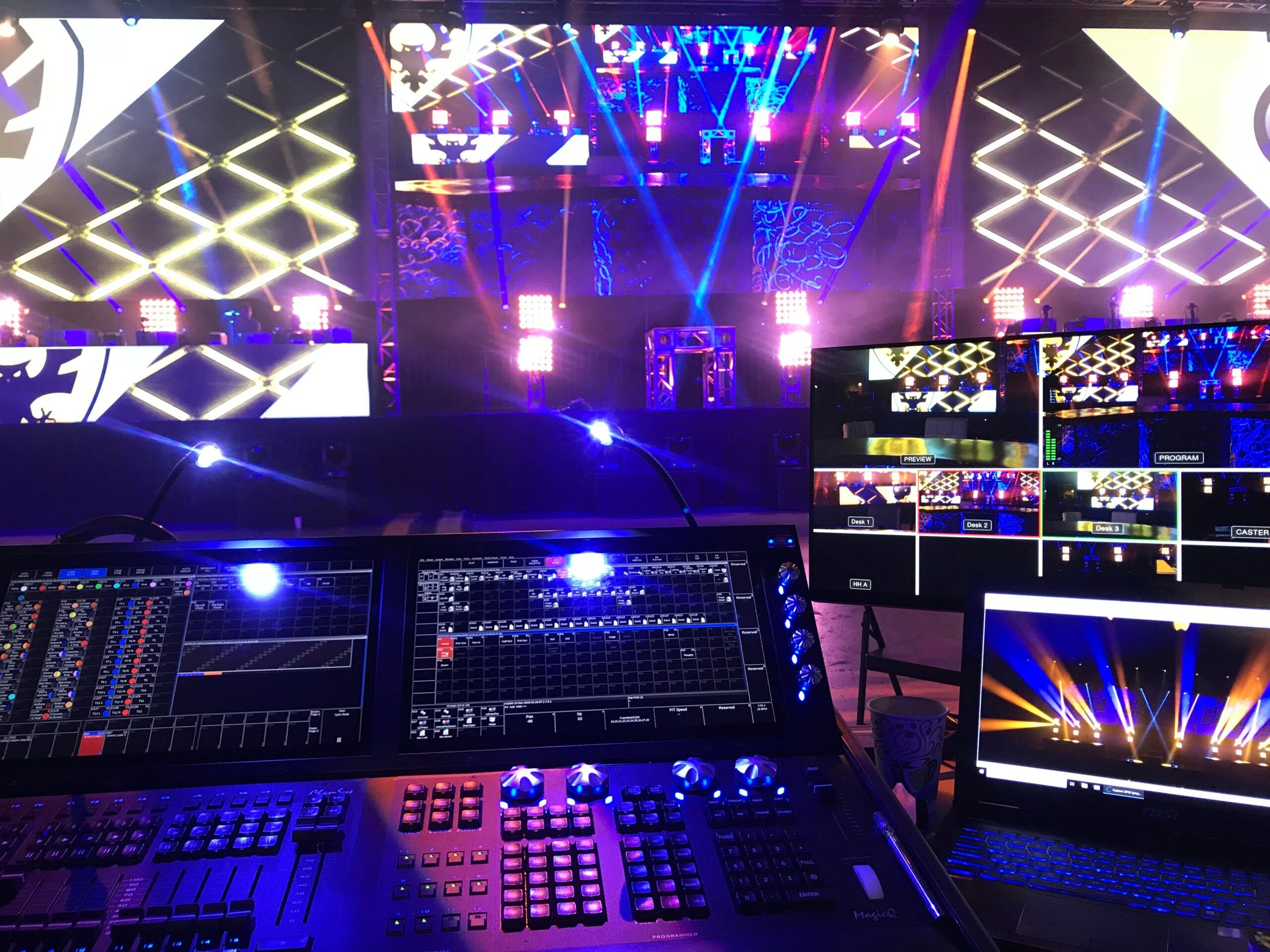
 Both stages had eight-universe shows with 79 controlled fixtures and 12 truss warmers that were set to the game’s branding colors. With the competition broadcast on Hi-Rez TV, the two designers gave prime consideration to creating looks that would translate well on camera, while still creating a friendly environment for the players and live audience.
 Keeping up with the flow of live gaming for broadcast meant that the programming process had to be done in an “organic and simplified manner,” said Scott. “We used one page of faders that held intensities, movements and FX,” he explained. “All of these playbacks were programmed with everything but color data. We then built a couple of Execute Pages, which held each team’s color palette. We also needed to be able to break up the team colors into ‘rig left, rig right or rig center,’ based on which side they played on, or if they won the match. The custom Execute Pages on the
  In addition to the Execute Pages, Scott found the MagicQ MQ500’s two large screens and the additional banks of playback buttons to be invaluable features in this project. “The extra bank of playback buttons on the top left of the 500 were used for effects that had to be triggered, but would then release automatically,” he said. “Dustin had a great idea to use the extra playback section located in the middle of the desk for quick fixture selection. This allowed us to call up any fixture group at the touch of a button.”
 Throughout the competition, Scott and Derry had mobile pre-vis rigs setup in their hotel rooms near the Georgia World Congress Center where the event took place. Scott had a ChamSys Maxi Wing in his room and Derry a PC Wing in his. “We did offsite programming and tweaks throughout the week, so everything always looked right for the competition,” said Scott. Based on the feedback the two designers received about their design, they certainly succeeded in doing that.